
Last updated October 15, 2026
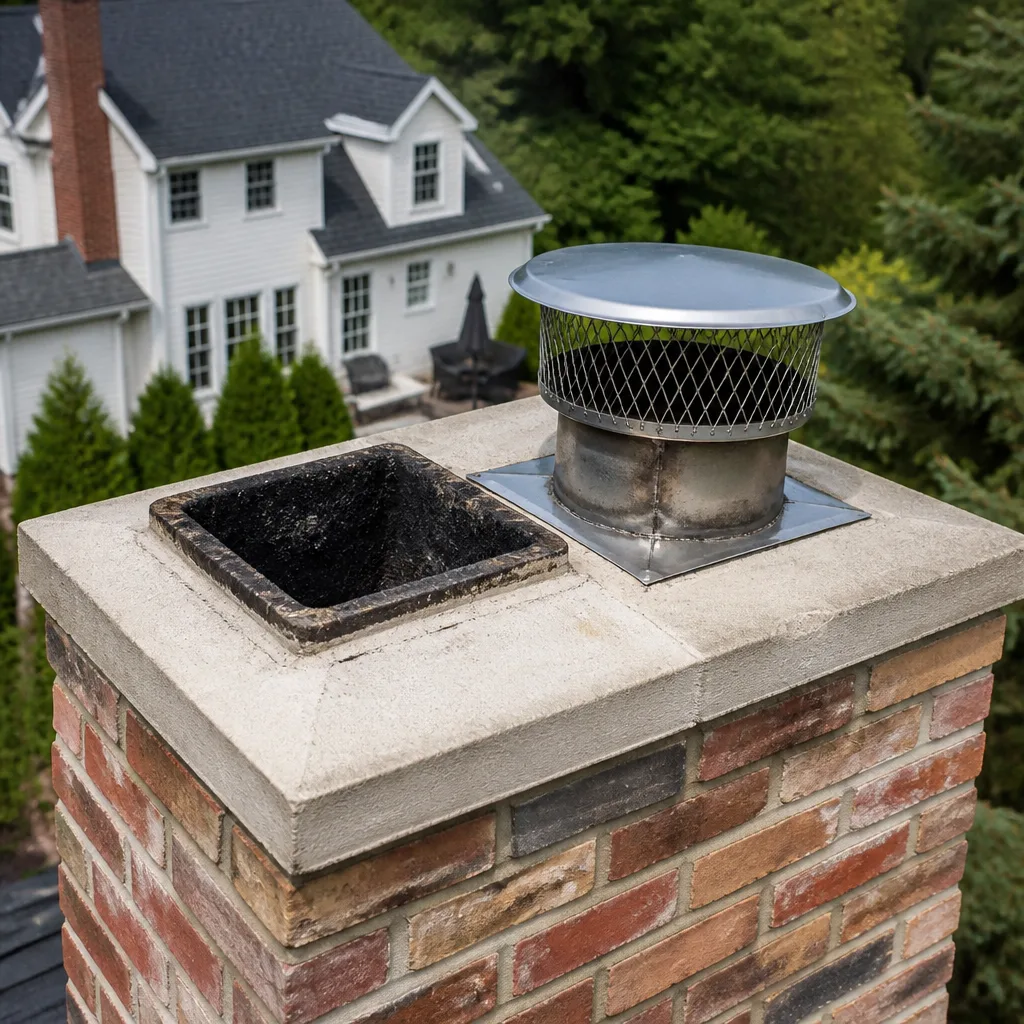 Sweep & inspection
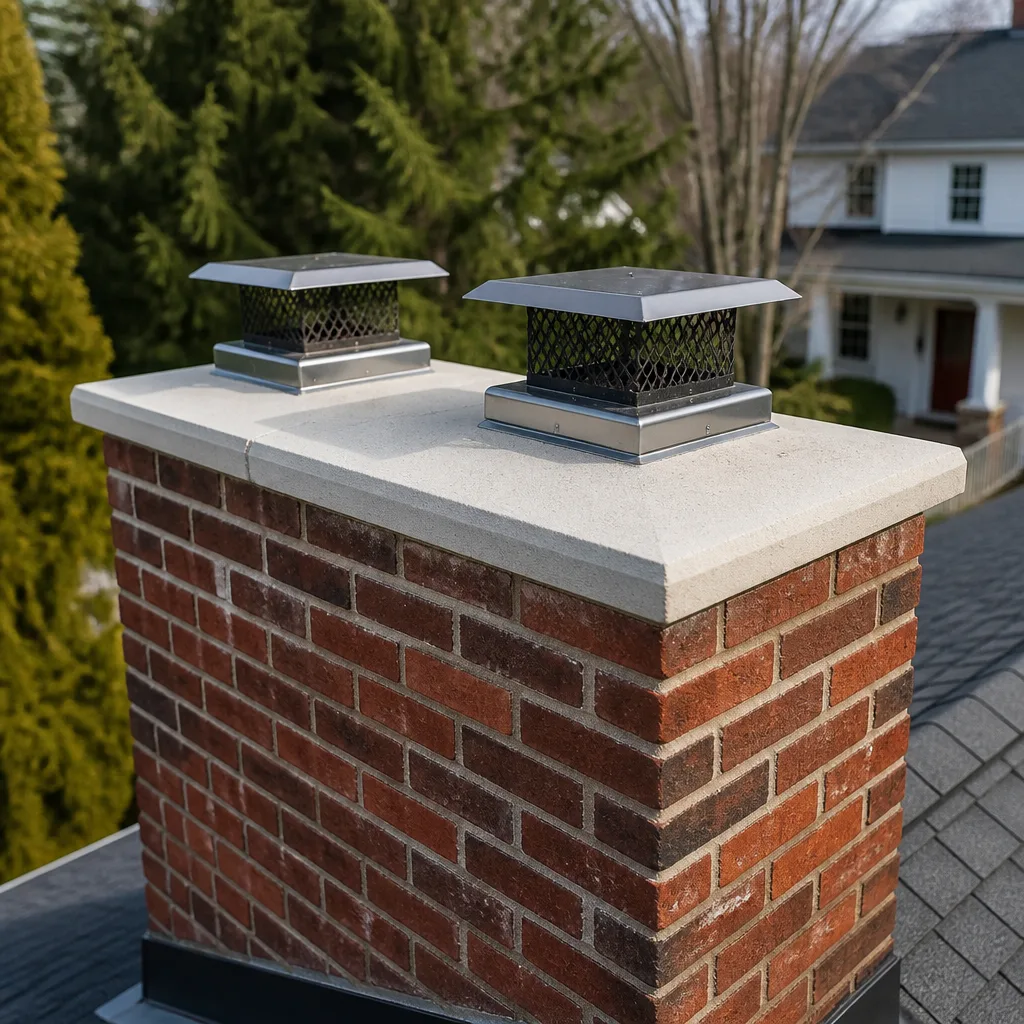 Caps & crowns
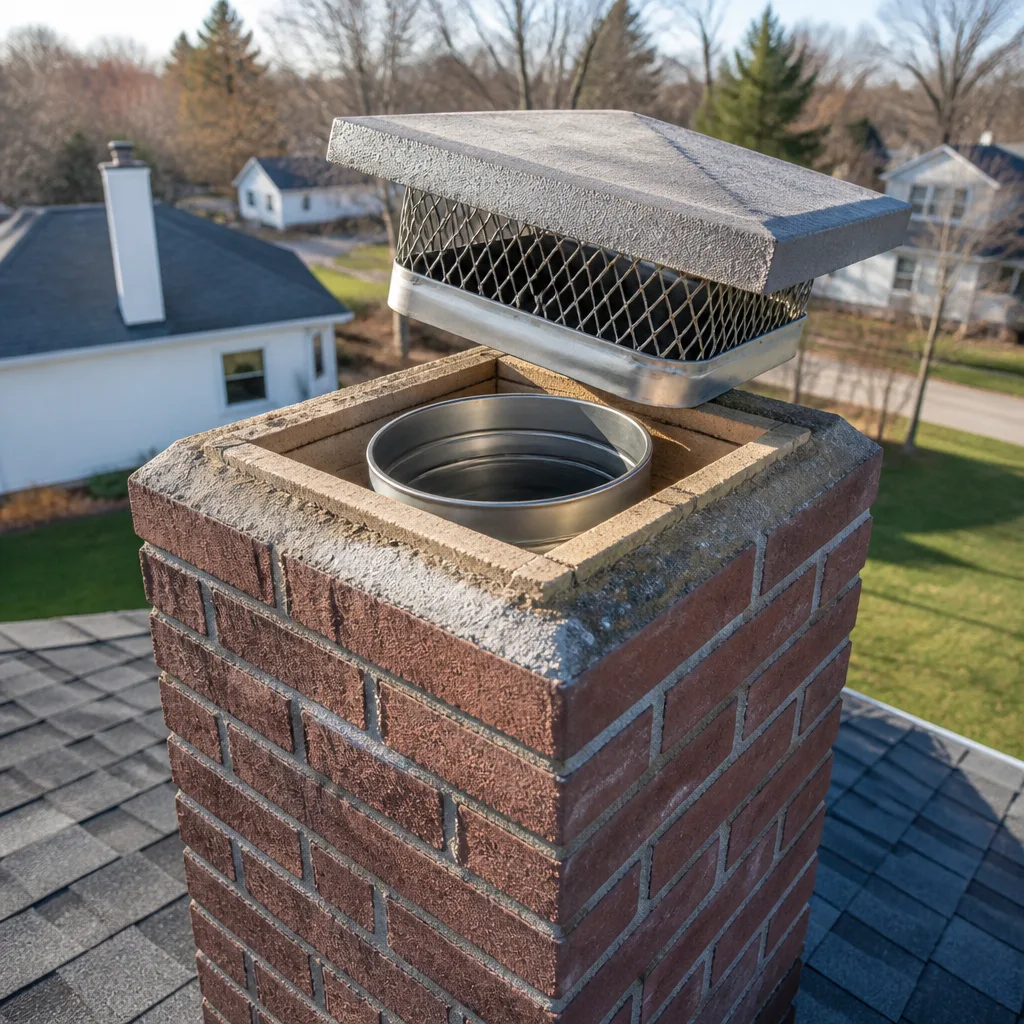 Flue relining
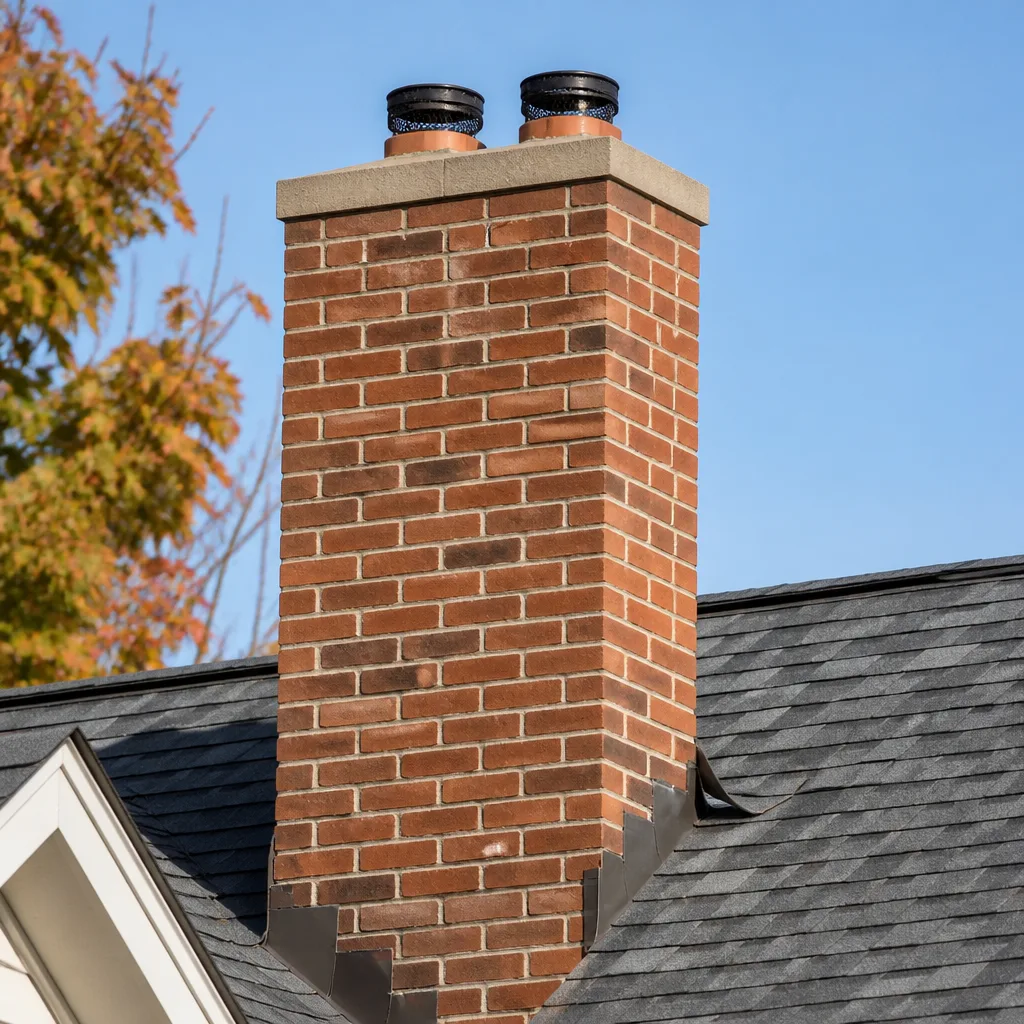 Masonry repair
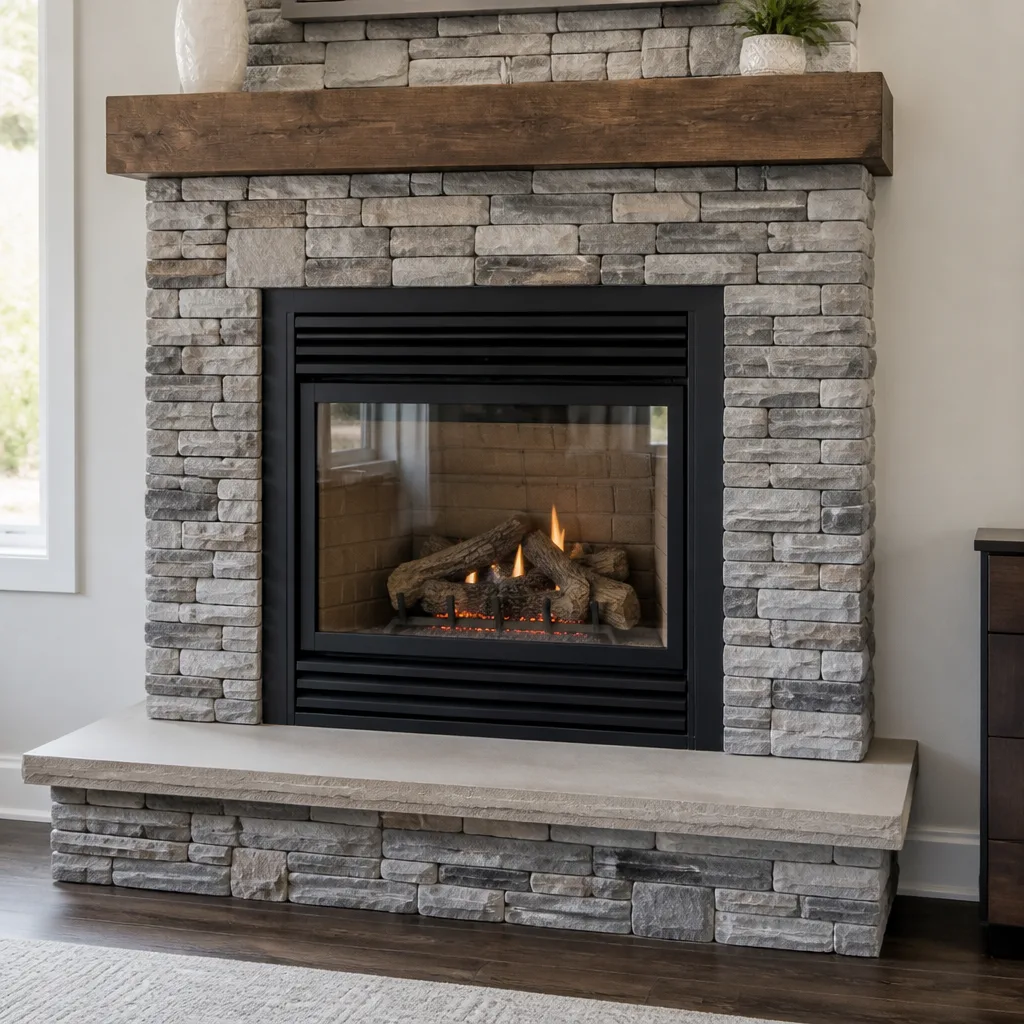 Gas fireplace service
Level 1 sweep and inspection to the NFPA 211 annual standard - flue, crown, cap, and flashing checked and photographed
Chimney sweep logs do not sweep chimneys. They loosen some creosote - which then falls where a brush and vacuum still have to collect it.
The Complete Guide to Chimney Cleaning in Tampa
Most Tampa chimneys go 11 months without a fire. That idle stretch causes more hidden damage than the one month they’re used, because moisture, mold, and animals move in the moment the smoke stops. A chimney in Tampa isn’t battling the creosote-heavy winters of Ohio or Michigan. It’s battling humidity that never quits, salt air drifting off the bay, and a subtropical climate where wildlife sees an unused flue as prime real estate. This guide explains what chimney cleaning actually means in Tampa, what you should expect to pay, how often it’s genuinely needed, and what a technician should be looking for beyond soot. For more guides & resources, see our blog.
Quick Answer
Chimney cleaning in Tampa typically costs between $189 and $329 for a standard sweep and inspection, and most homes with a wood-burning fireplace need it every 1 to 2 years even if they rarely light a fire. Tampa’s humidity, salt air, and long stretches of disuse mean the bigger risks inside your flue are moisture damage and animal entry, not just creosote buildup. A proper cleaning here includes a check of liner moisture staining, weep holes, and animal gaps that national checklists often skip.
Styles & brands we work with
Table of Contents
- What Chimney Cleaning Actually Means in Tampa
- Why Tampa Humidity Changes Everything
- The Three Tampa-Specific Inspection Points Most Checklists Miss
- What Salt Air Does to a Tampa Chimney
- What a Standard Chimney Sweep Includes
- How Often Should You Clean a Chimney in Tampa?
- What Does Chimney Cleaning Cost in Tampa?
- Why a Written Care Promise Beats a Verbal Quote
- Common Mistakes to Avoid
- When to Call a Professional
- Frequently Asked Questions
What Chimney Cleaning Actually Means in Tampa
A chimney sweep removes soot, creosote, and debris from the flue, smoke chamber, and firebox. In Tampa, that job also means removing things that don’t show up on a standard northern checklist: bird nests built during the humid off-season, dead insects that collected in the smoke shelf, spider webs that have turned into dust traps, and the fine salt-and-sand grit that blows in off the bay and settles inside the flue. Soot is only part of it. A Tampa chimney sweep is part cleaning and part moisture-and-wildlife inspection.
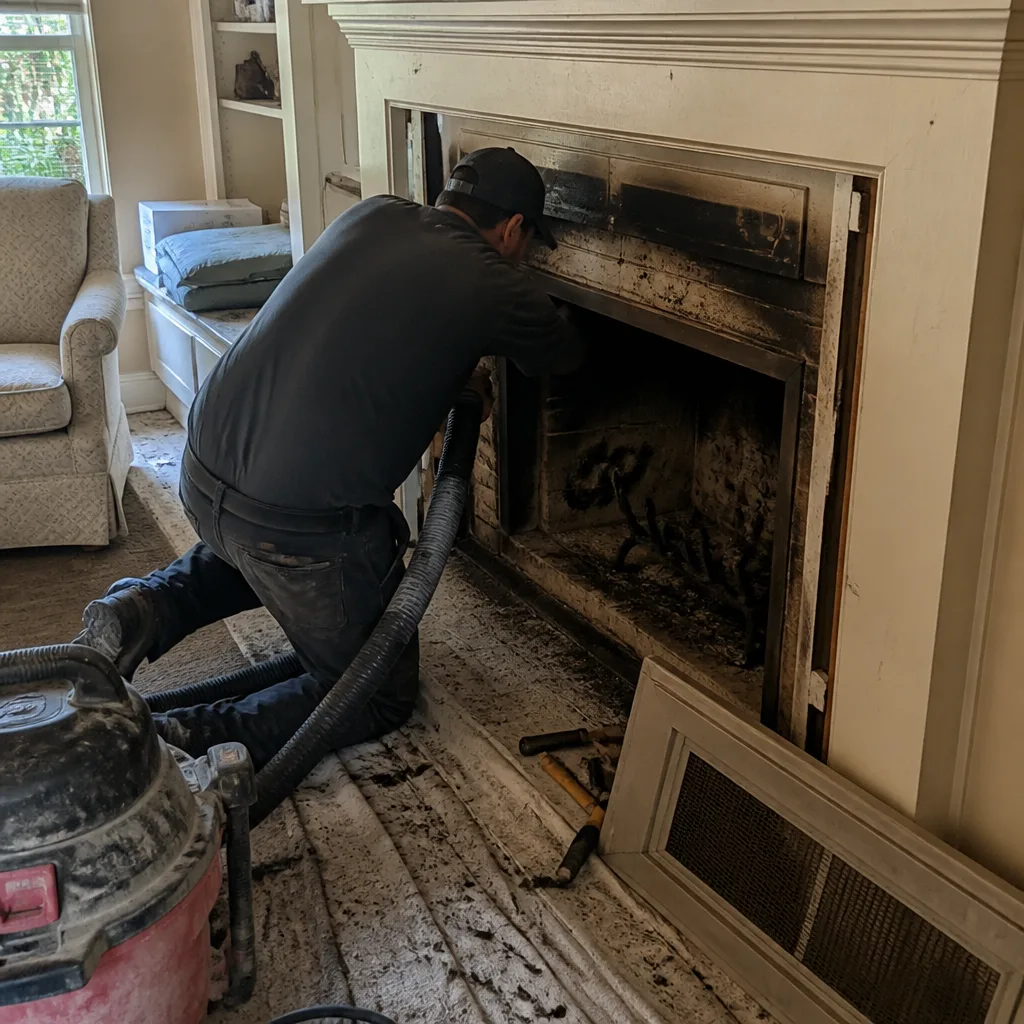
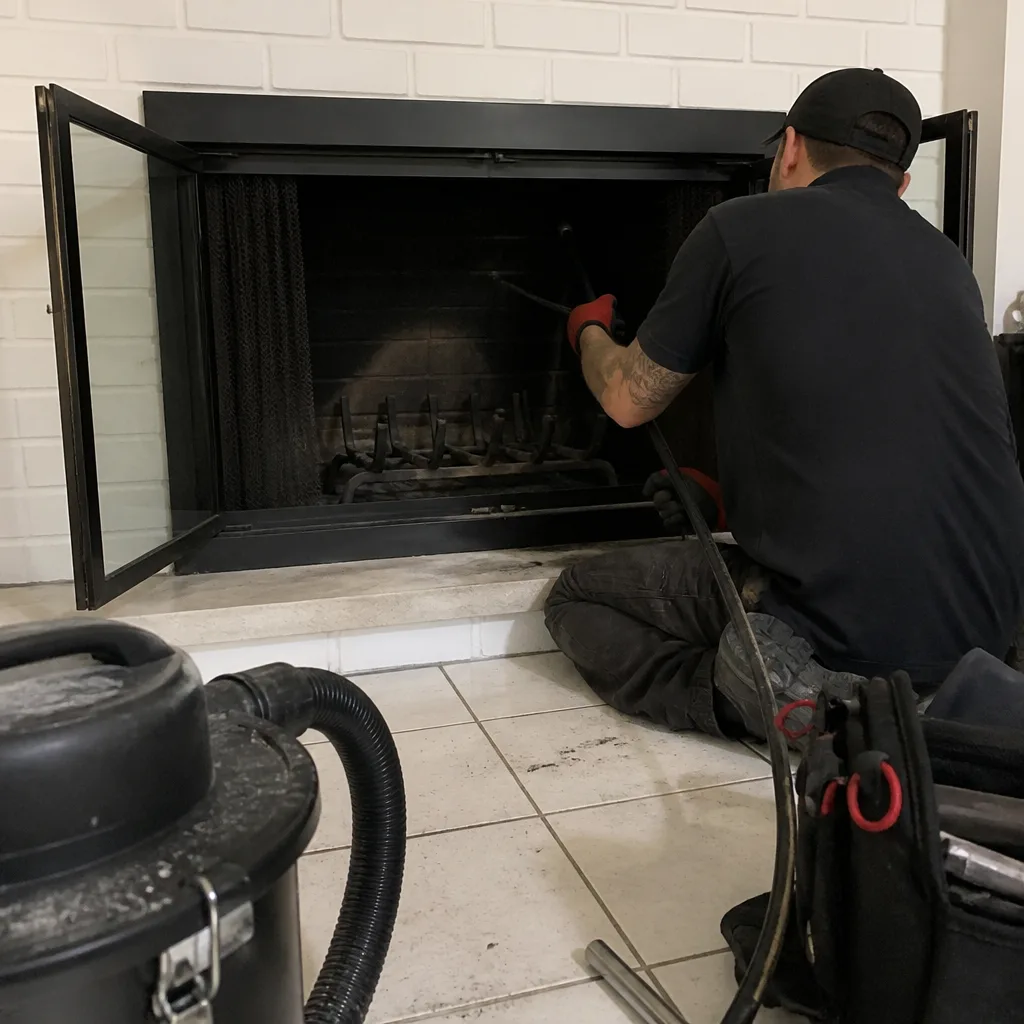
We clean from the top down using rotary brushes, then follow up with a HEPA-filtered vacuum to capture dust before it reaches your living room. Floors get drop cloths before the first ladder goes up. Shoe covers go on at the door. If we need to move a piece of furniture to access the firebox, we ask first, and we put it back where we found it. The C.A.R.E. values shape every step: Cleanliness, Accountability, Respect, and Expertise. That means the area around your fireplace looks the same or better when we leave, and you get a photo of the clean-up before the crew heads out.
Why Tampa Humidity Changes Everything
A chimney in Minneapolis faces cold, dry winters. A chimney in Tampa faces 75% average humidity year-round, and that changes what builds up inside the flue. Moisture finds its way into every crack and porous surface. When humidity stays high for months, creosote doesn’t stay dry and flaky like it does up north. It absorbs moisture and turns into a sticky, acidic paste that clings to the flue walls and eats away at the liner over time. Even a small amount of creosote becomes a bigger problem in Tampa because it never gets a chance to dry out.
That acidic, moisture-laden creosote attacks stainless steel liners differently than it attacks clay tile. We’ve seen liners in Bayshore Beautiful and Hyde Park develop pitting and rust pinholes not from heavy use but from sitting damp for years between fires. Homeowners who burn wood fewer than five times a year still get this damage, and they’re usually shocked because they assumed a rarely-used chimney stays clean. In Tampa, the opposite is true: a rarely-used chimney is exactly where moisture and wildlife do their best work.
The Three Tampa-Specific Inspection Points Most Checklists Miss
National chimney inspection guides focus on creosote thickness, flue blockage, and damper function. Those matter in Tampa too, but three local inspection points matter just as much and rarely show up on generic checklists:
- Liner moisture staining. Brownish or rust-colored streaks on the inside of a stainless liner often mean water is seeping through the chimney crown or a crack in the masonry. This is not something a visual sweep alone will catch. We look for it on every Tampa inspection because humidity makes even small leaks active year-round.
- Weep hole blockage. A properly built masonry chimney has small openings at the base that let trapped water drain out. In Tampa, mortar dust, pollen, and insect debris plug these holes fast. When they block, water collects inside the chimney structure and accelerates spalling. We clear them and tell you if water has already begun pooling inside.
- Animal entry gaps. Tampa’s wildlife population is active in every month of the year. Raccoons, squirrels, and chimney swifts see an uncapped flue as shelter. We inspect the chase cover, damper, and any gap larger than a quarter inch. A $400 animal exclusion repair is far cheaper than removing a nest and dealing with the odor, and it’s something we flag before recommending any bigger liner or masonry work.
None of these three checks replaces creosote measurement or blockage scanning, but together they give a Tampa homeowner a picture that national checklists can’t. A Chimney Inspection in Tampa built around these locals points catches damage months before it turns into something expensive.
What Salt Air Does to a Tampa Chimney
Chimneys near the water in Tampa, especially in neighborhoods like Davis Islands, Ballast Point, and Beach Park, get hit with a combination no northern guide talks about: salt air plus humidity. Salt is hygroscopic, meaning it pulls moisture out of the air. When salt particles settle on mortar joints, they draw in moisture and hold it there. That moisture expands and contracts through Tampa’s temperature swings, slowly crumbling the mortar from the outside in.
The damage starts small. Joints look a little lighter around the edges. Sand begins to collect on the chimney crown. Over time, the mortar turns to powder, and bricks begin to shift. A chimney in this condition still works, but it’s no longer doing its job as a structural column for the flue. We grade mortar condition on a simple one-to-five scale during every service, and we take photos so you can see exactly what we’re seeing. If you’re within a few miles of Tampa Bay, you should expect a faster rate of mortar wear than a house in Temple Terrace or New Tampa, and that’s normal. What’s not normal is ignoring it.
A standard sweep gives us the chance to look at the crown and upper masonry up close. If we recommend repairs that will stretch the life of the chimney, we’ll show you the cracks and explain what happens if they go unaddressed. But we’ll also tell you plainly when repair work can wait. Not every crack is an emergency, and saying so is part of the job.
What a Standard Chimney Sweep Includes
A full chimney sweep with us follows a written process so there’s no left to guesswork. Here’s the sequence, step by step:
- Floor protection goes down first. Drop cloths cover the area around the hearth. Shoe covers go on at the entry. Furniture gets draped if it’s within the work zone.
- Initial inspection. We check the firebox, damper, and accessible flue before we start, so we know what’s in there and whether anything unusual needs attention.
- Top-down mechanical brush sweep. We use professional rotary brushes sized to your flue. This breaks loose soot, creosote, and any debris built up inside the flue.
- Smoke chamber and shelf cleaning. Debris collects in this area because it’s out of sight and out of reach with a standard brush. We use angled tools to pull it out, not push it deeper.
- HEPA vacuum throughout. Dust and soot get captured at the source. We’re not blowing particulate into your home or dumping it on the hearth.
- Post-sweep inspection. After the flue is clean, we run our inspection camera up the chimney to check for hidden cracks, liner damage, or moisture staining that wasn’t visible through the soot.
- Clean-up and photo. We wipe down work surfaces, fold the drop cloths, and take a photo of the clean-up before the crew leaves. That photo is part of the Cedarwell Care Promise, and it’s included on every job.
When repairs are needed, we use professional-grade materials from brands chosen for durability in Florida’s climate. That includes Olympia Chimney for chase covers and caps, Gelco for water repellents, and Famco components where mechanical parts are involved. These are industry-standard names in chimney supply, not off-the-shelf hardware substitutions.
How Often Should You Clean a Chimney in Tampa?
The old rule of thumb is “once a year,” but that rule was written for heating climates where a fire burns five months straight. Tampa homes fall into two brackets that need different treatment.
Wood-burning fireplaces used fewer than 10 times per year
Most Tampa homes fit this profile. The fire gets lit on a handful of cool December and January evenings, and the rest of the year the chimney sits idle. For these homes, a sweep every two years is usually sufficient, but an annual inspection is still smart. The inspection looks for animal entry and moisture damage, the two things that develop fastest in an unused flue. We often see homes in Seminole Heights and South Tampa where the flue is barely used but the liner is losing integrity because humidity never takes a season off.
Gas inserts and gas logs used year-round
Gas burns much cleaner than wood and produces no creosote, which leads some Tampa homeowners to assume the chimney never needs service. That assumption is expensive. Gas produces water vapor as a byproduct, and that vapor condenses inside a flue that’s already dealing with high outdoor humidity. The result is acidic condensation that eats at liners and mortar. Gas fireplace users should have the chimney inspected every year and swept or serviced as needed. The inspection also confirms the vent is drafting properly and that no nests or debris have blocked the cap.
For a fuller breakdown of wood versus gas maintenance, start with our Chimney Sweep in Tampa page, which walks through both fuel types in more detail.
What Does Chimney Cleaning Cost in Tampa?
Chimney cleaning prices in Tampa are lower than in many northern markets, partly because the service is less seasonal and the flues are typically shorter. Here’s what homeowners should expect for the most common jobs:
- Standard sweep and inspection: $189 to $329 for a single-flue masonry or prefab chimney with no major complications
- Two-flue home: $289 to $429 for both flues cleaned and inspected in one visit
- Heavy creosote or animal nest removal: $250 to $450, depending on what has to come out and how difficult the access is
- Crown seal or minor masonry patch: $200 to $600, priced after inspection photos are reviewed with you
- Chimney cap with installation: $250 to $650 for standard stainless caps sized to your flue
Every job starts with a written price before any work begins. That price is based on what we see during the inspection, and it doesn’t change unless we find something and get your explicit approval to address it. If the flue is clean and the damper is functional, the write-up says exactly that, and that’s what you pay.
When it comes to larger repair decisions, like a new liner or a full crown rebuild, the quoted price always includes the inspection photos that support the recommendation. Nothing gets recommended without visual evidence you can see for yourself. That’s a good habit to expect from any chimney company working in Tampa.
Why a Written Care Promise Beats a Verbal Quote
A verbal quote works fine when everything goes as expected. The problem is that chimney work often reveals things nobody expected, and that’s where a verbal quote leaves a homeowner holding the surprise. A written care promise sets the terms before any tools come out.
Here’s what a written care promise covers that a verbal quote doesn’t:
- Price – the amount you’re quoted is the amount you pay unless new work is acknowledged in writing and approved
- Clean-up – the standard for how your floors and hearth will look when the crew leaves, documented with a photo
- Craftsmanship – the guarantee that the work holds up, backed by a 365-Day Done Right Promise: if it’s not done right, we make it right
We put this into practice on every job because surprises in a chimney are common. A sweep can uncover a cracked tile liner. A firebox repair can uncover a loose damper assembly. With a written promise, the path forward is clear: we stop, show you what we found, and price the next step in writing before touching it. You’re never forced into a decision standing in the living room with tools out. The C.A.R.E. values are written into how we operate, not just printed on a truck magnet.
If you’re comparing chimney companies in Tampa, one useful question clears up a lot: “Will I get my price in writing before work starts?” The answer tells you more than a Google rating does.
Common Mistakes to Avoid
- Assuming a rarely-used chimney doesn’t need service. In Tampa, infrequent use invites moisture and animal problems. The chimney still needs inspection, even if the flue is clean.
- Burning pressure-treated wood or wet yard debris. Not all wood is firewood. Treated lumber produces toxic smoke and accelerates creosote formation. Stick to seasoned hardwoods.
- Ignoring the chimney cap. In Tampa’s wildlife-rich environment, an uncapped flue is an open door. A missing cap is also where rain enters directly and damages the firebox.
- Hiring a roofer to inspect a chimney. Roofers see shingles and flashing. We see flue liners, moisture grading, and animal entry points. These are different trades with different lenses.
- Waiting until December to book a cleaning. Tampa’s cool season is short, and every chimney company in the area gets backed up in November and December. Book in late summer or early fall for the best availability.
- Using a store-bought “creosote sweeping log” as a substitute for a real sweep. These logs loosen some creosote but don’t remove it, and they don’t inspect anything. They create a false sense of safety in a chimney that may have structural problems.
- Accepting a phone quote without an inspection. A serious chimney company needs to look before quoting. Quotes sight unseen are usually low-ball numbers designed to get a technician in the door.
When to Call a Professional
If you smell a musty odor coming from the fireplace during Tampa’s wet months, notice white staining on the exterior brick or mortar, hear birds or animals inside the flue, or see water in the firebox after a storm, those are signs the chimney needs professional attention. Any visible smoke entering the room during a fire is another call-immediately signal, and so is a damper that won’t open or close. Chimney fires and carbon monoxide exposure are the stakes when chimneys are ignored, and neither gives a warning you want to miss. Kindling Chimney Tampa offers free estimates in Tampa – call (850) 290-0897 and a live person will answer, no voicemail tree.
Frequently Asked Questions
In Tampa, a standard chimney sweep and inspection typically costs between $189 and $329 for a single-flue chimney, with two-flue homes running $289 to $429. Heavy creosote removal or animal nest extraction pushes the price to $250 to $450 depending on access. Every job with us starts with a written price before work begins, so the number you hear is the number you pay. Call (850) 290-0897 for an exact quote, free of charge.
Maybe. You need a new liner if the existing one is cracked, pitting, or spalling to the point where it can’t contain heat and combustion gases safely. But you should never take that word on faith. That’s why we run an inspection camera after every sweep and show you the footage. If the liner is intact, we’ll tell you that and explain what monitoring it looks like going forward. Nothing is recommended without visual evidence you can see for yourself.
In Tampa, wood-burning fireplaces used fewer than 10 times per year should be swept every one to two years, while gas fireplaces and inserts should be inspected annually and swept as needed. The reason isn’t just creosote: Tampa’s humidity and wildlife activity create risks in unused flues that a sweep catches before they get expensive. An annual inspection is the smart baseline for every Tampa home.
Creosote and moisture combine into an acidic paste that corrodes liners, animals nest in the flue and block ventilation, and mortar absorbs salt-laden humidity until the chimney structure weakens. You may not notice any of this from the living room until a repair becomes unavoidable. The point of regular cleaning and inspection is catching these conditions in early, cheaper stages rather than after they’ve advanced.
Yes. Gas fireplaces produce water vapor that mixes with Tampa’s humid air inside the flue and creates acidic condensation. That condensation attacks liners and mortar over time. We inspect gas venting systems for proper draft, condensation damage, and blockages, and we sweep the flue when inspection shows it’s needed. A gas chimney still calls for annual attention even though it never sees wood.
We serve the whole Tampa area, including Hyde Park, Seminole Heights, South Tampa, New Tampa, Davis Islands, Ballast Point, Beach Park, Temple Terrace, and the surrounding communities. If you’re anywhere in Hillsborough County, give us a call at (850) 290-0897 and we’ll schedule your estimate.
The Bottom Line
Tampa chimneys fail differently than chimneys up north. Humidity, salt air, and long idle stretches create wear that national guides don’t address, and cleaning is only half the job. The other half is inspecting for moisture damage, animal entry, and mortar condition in ways specific to this climate. A proper sweep keeps the fireplace safe, the home clean, and the chimney frame strong. Expect to pay $189 to $329 for a standard sweep in Tampa, expect a written price before work starts, and expect to see photos of anything we recommend. If a chimney company offers less, they’re not offering enough.
Written by Danny Cortes, Owner at Kindling Chimney Tampa, serving Tampa since 2003.
See the difference
 Before
 After
After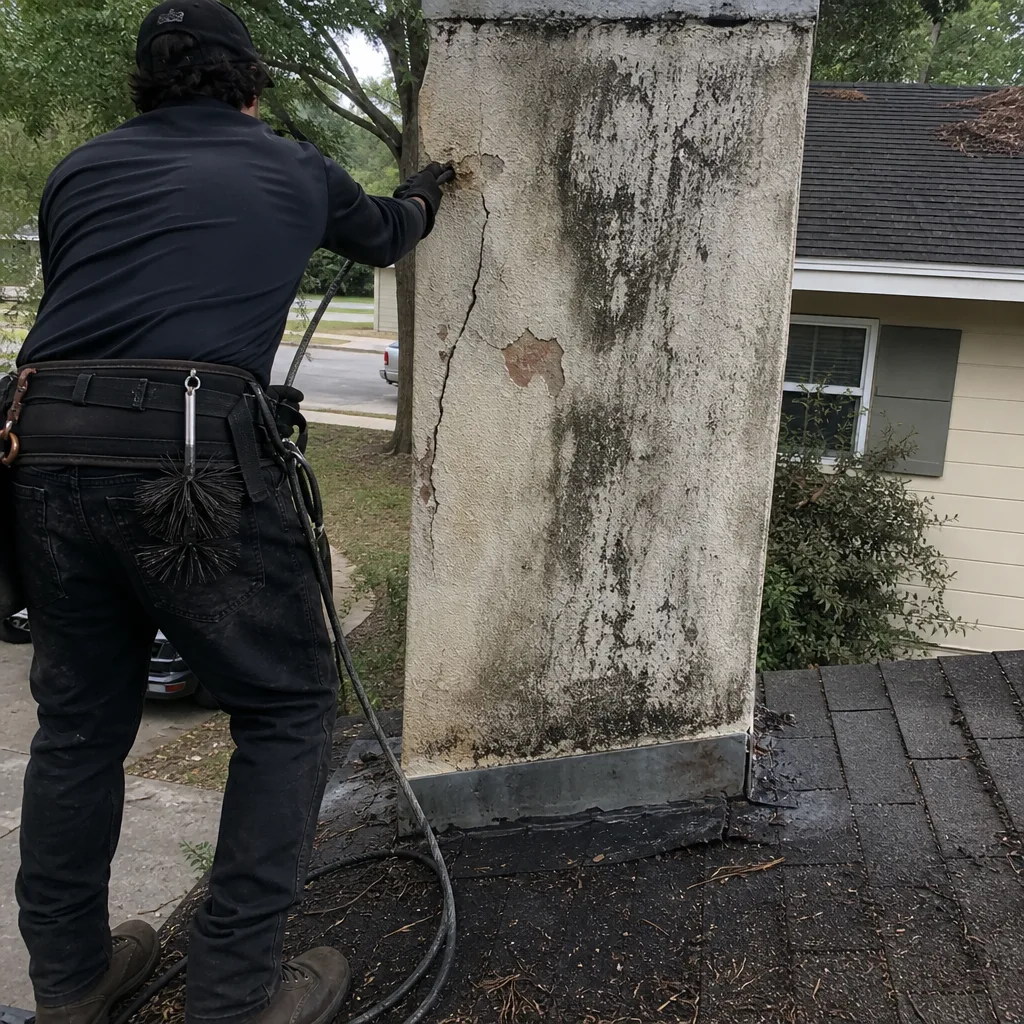 Before
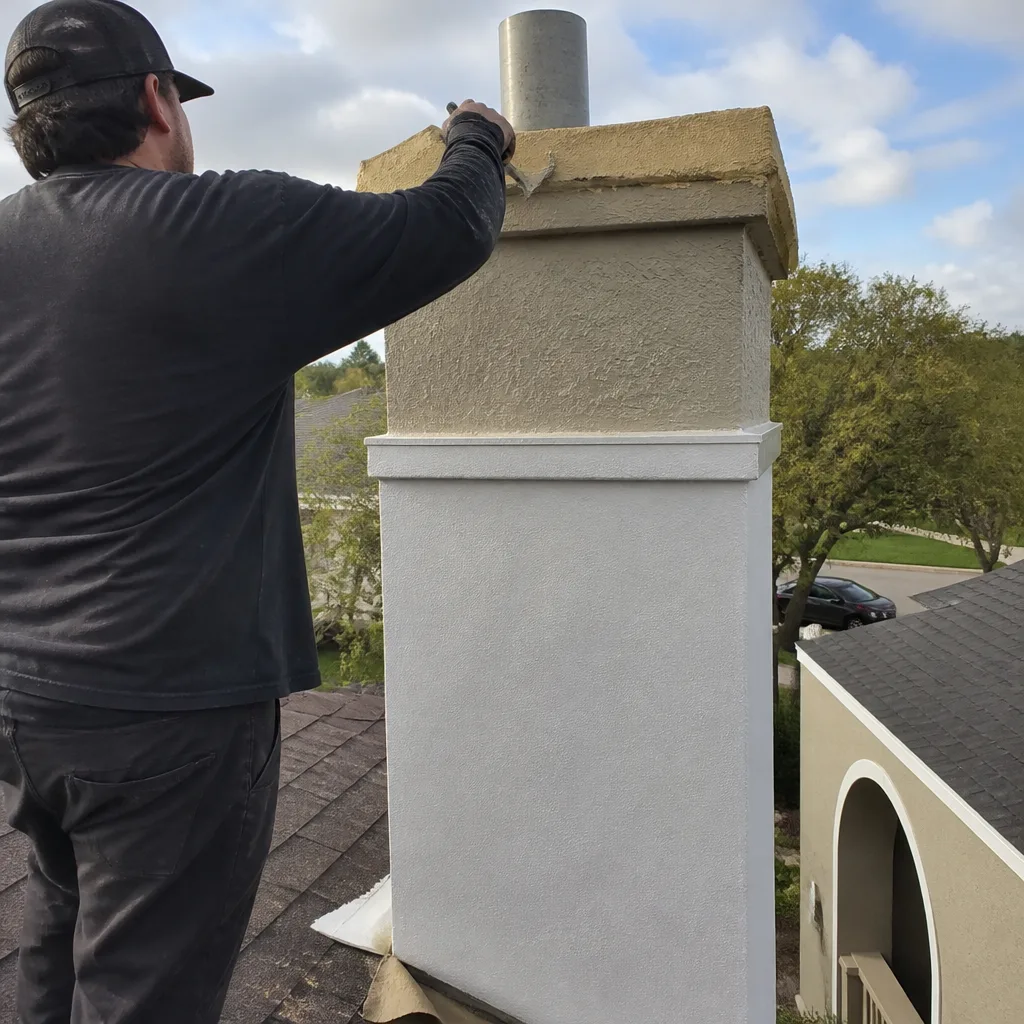 After
After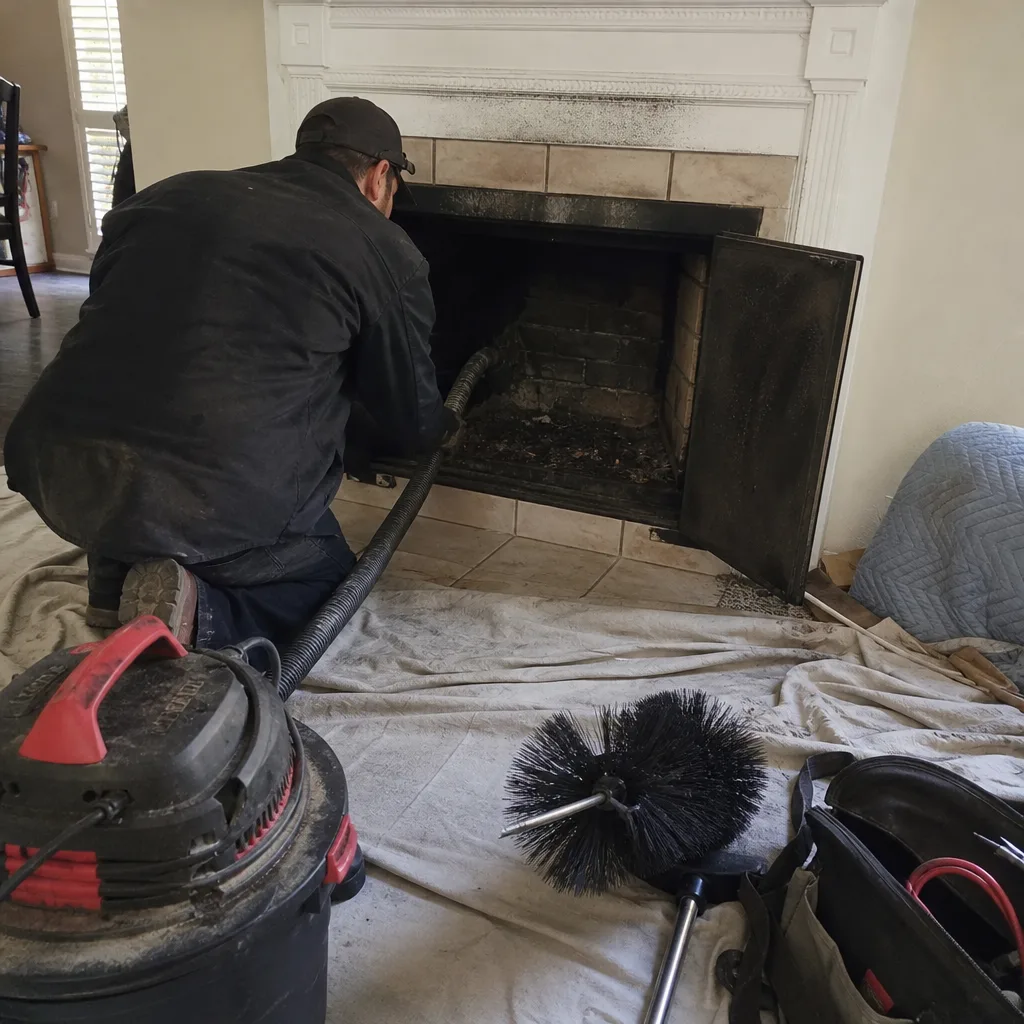 Before
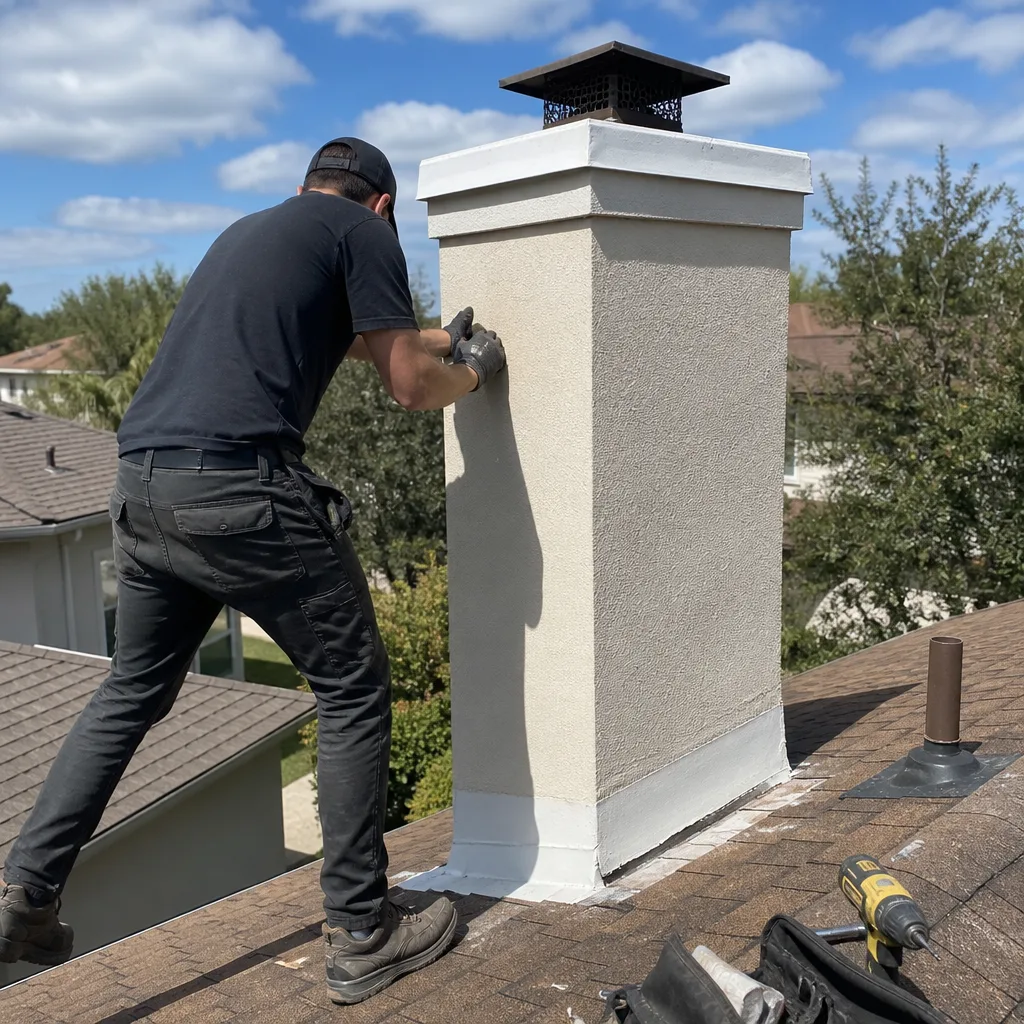 After
After