
Last updated October 15, 2026
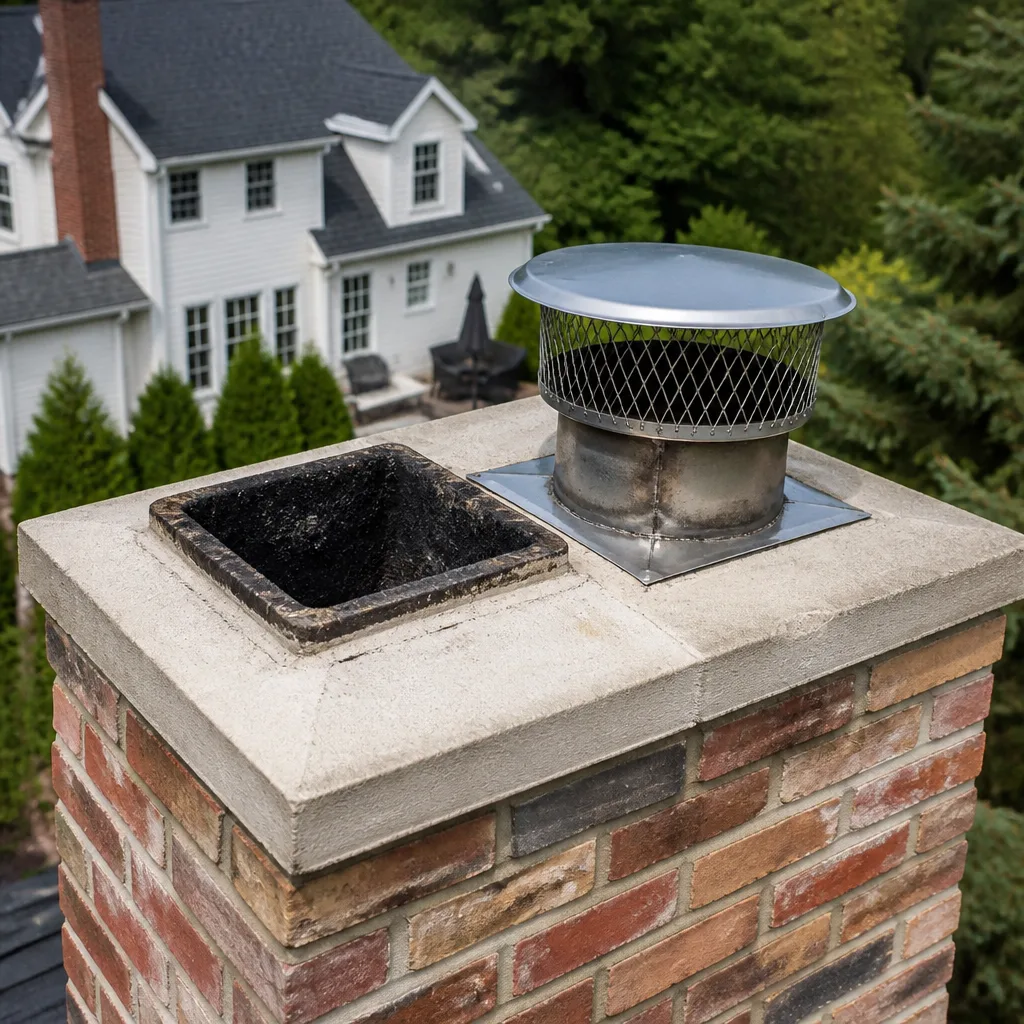 Sweep & inspection
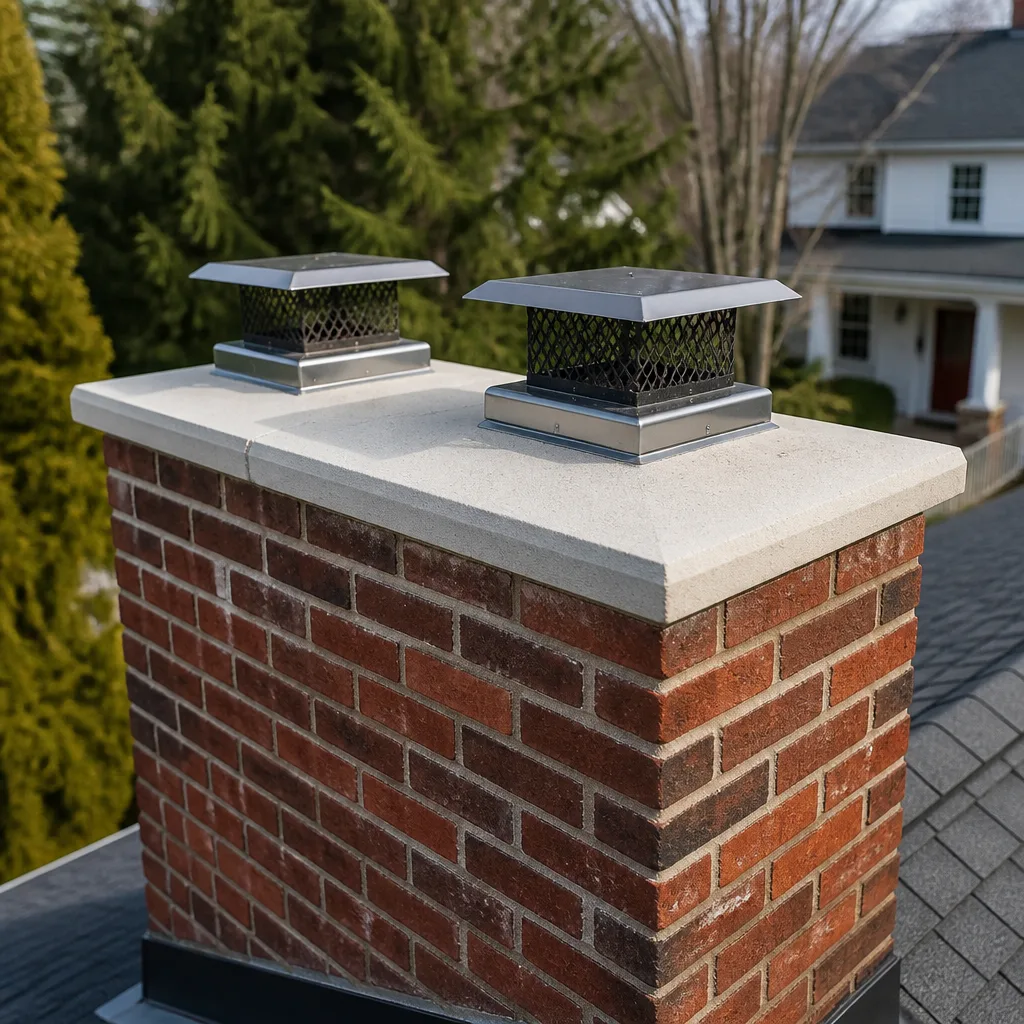 Caps & crowns
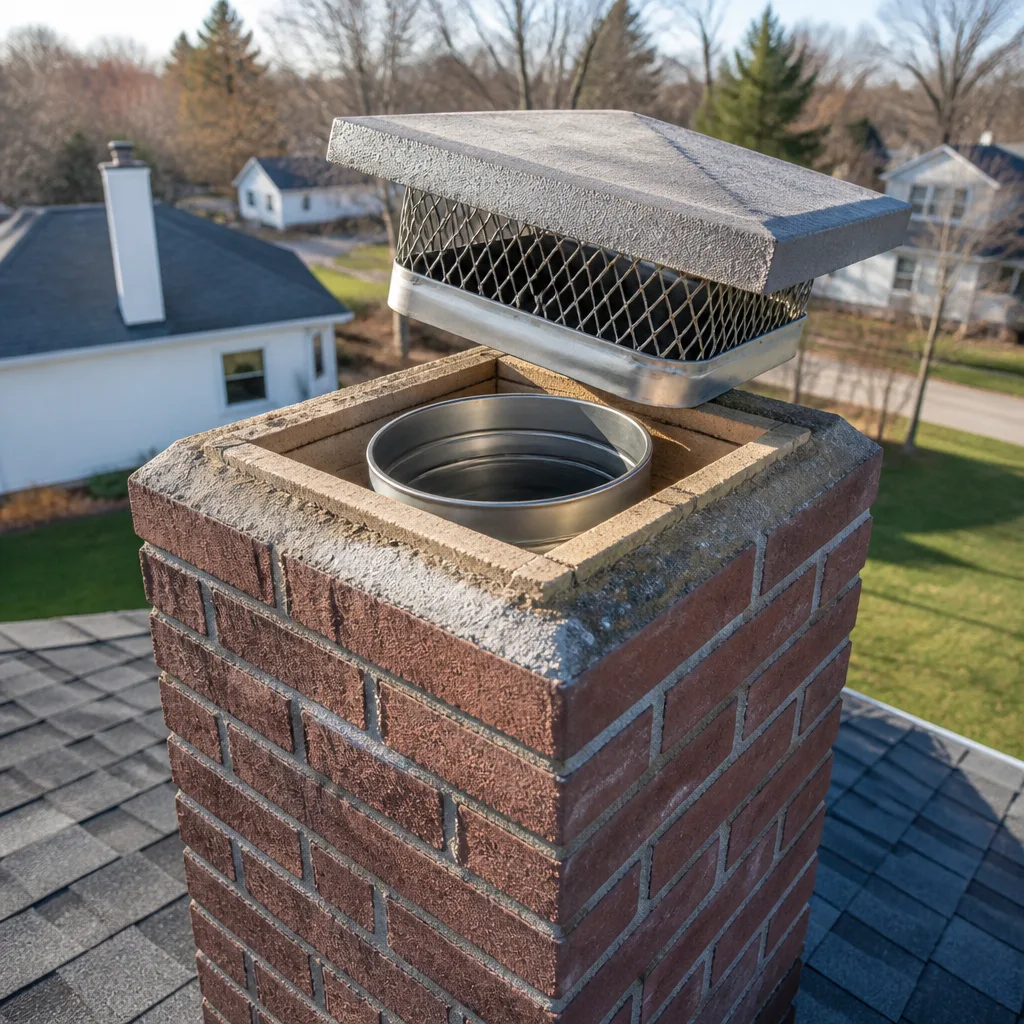 Flue relining
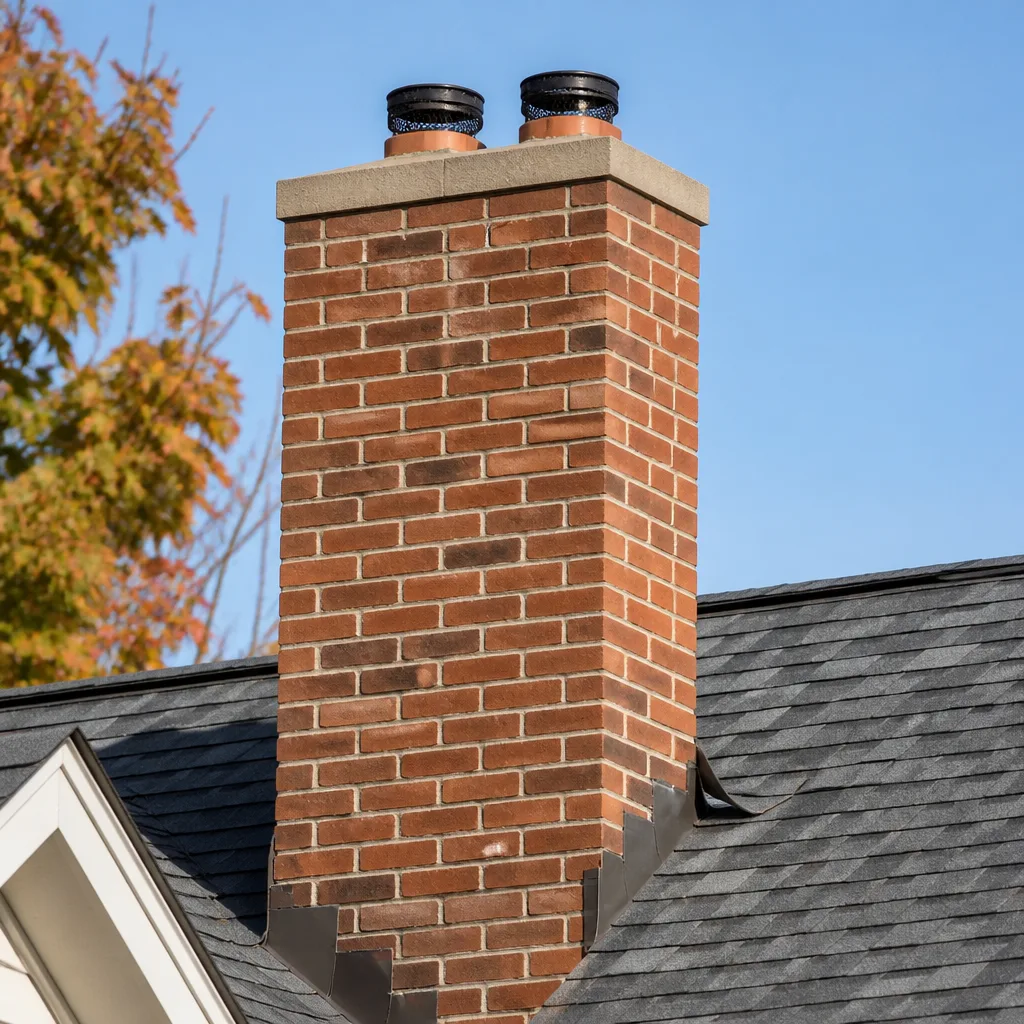 Masonry repair
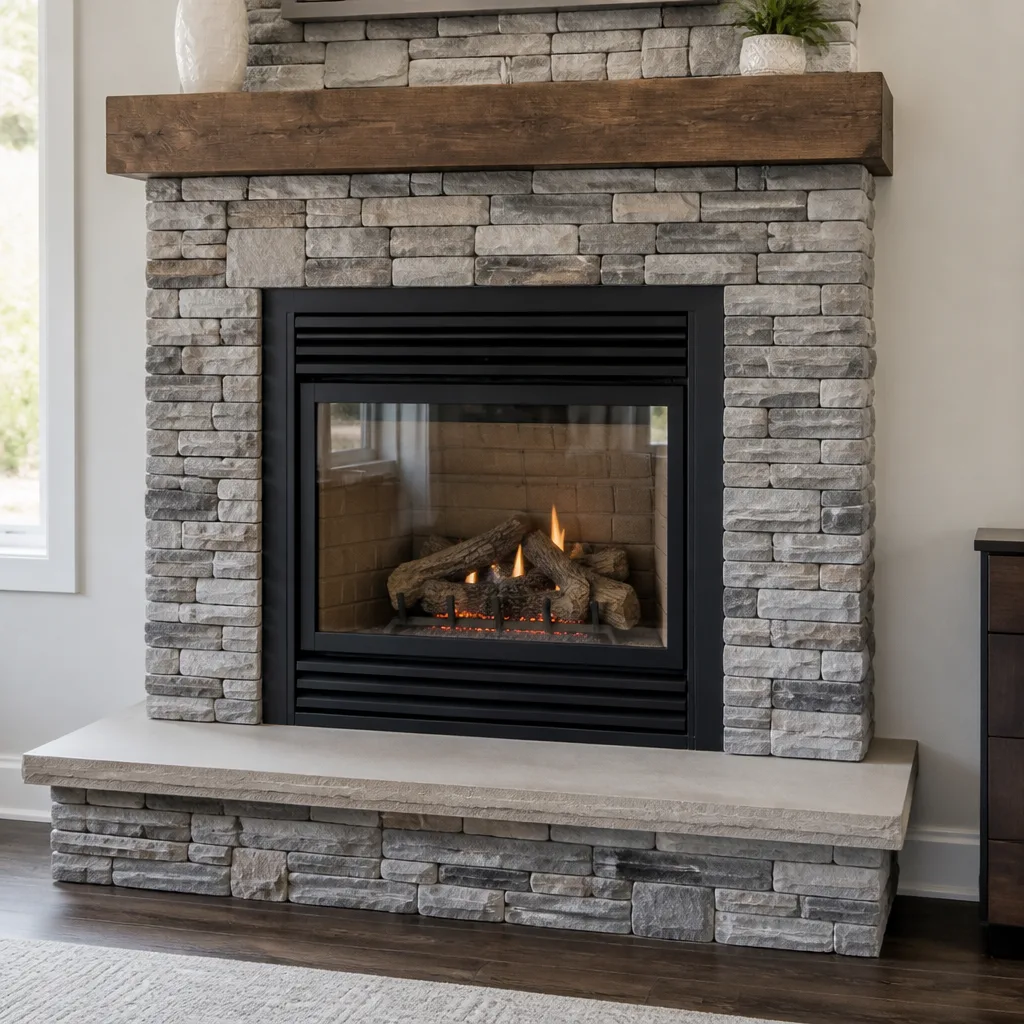 Gas fireplace service
Level 1 sweep and inspection to the NFPA 211 annual standard - flue, crown, cap, and flashing checked and photographed
Chimney sweep logs do not sweep chimneys. They loosen some creosote - which then falls where a brush and vacuum still have to collect it.
How to Hire a Chimney Cleaning Contractor in Tampa: A Step-by-Step Guide
Three Tampa chimney companies that ranked on the first page of Google last year have since closed or changed names. That pattern tells you something important about this trade: a chimney sweep is only as good as the day after the job. You aren’t hiring a technician for two hours of work. You’re hiring a company that needs to still exist in six months if a hidden crack shows up, a water leak appears after the first rain, or the liner they installed fails. This guide walks you through a structured vetting process for hiring a chimney cleaning contractor in Tampa, with specific questions to ask and the answers that should send you looking elsewhere. For more guides & resources, explore our blog.
Styles & brands we work with
Quick Answer
To hire a chimney cleaning contractor in Tampa, ask five non-negotiable questions before anyone enters your home: what will the written scope of work include, what certifications do the technicians hold, how are additional findings priced, who is responsible for protecting floors and furniture, and what warranty covers the work after the crew leaves. A company that hesitates on any of these, or that won’t put the price in writing before starting, should be disqualified immediately. The right contractor will answer all five without pausing.
Table of Contents
- The Five Non-Negotiable Questions to Ask Before Any Technician Enters Your Home
- What CSIA Certification Actually Covers (And What It Doesn’t)
- How to Read a Chimney Cleaning Contract: The Clauses That Protect the Company at Your Expense
- Why a Written Scope of Work Matters More Than a Five-Star Review Average
- Red Flags Specific to Tampa’s Chimney Market
- A Step-by-Step Checklist for Hiring in Tampa
- Common Mistakes to Avoid
- When to Call a Professional
- Frequently Asked Questions
- The Bottom Line
The Five Non-Negotiable Questions to Ask Before Any Technician Enters Your Home
Here’s the core of this guide. These aren’t polite conversation starters. They’re structured filters designed to separate a company that will protect your home from one that will sweep the flue and leave before you notice the boot prints. Ask all five. Listen for hesitation.
- “Will you give me a written price before any work begins?” The correct answer is yes, without conditions. If a company says the price depends on what they find, that’s not dishonest by itself. Chimneys do hide problems. But the scope of the sweep, the inspection, and the base price should be in writing before the technician unloads tools. We give every Tampa customer a written price before work starts. It’s not a quote that changes at the door. It’s the price.
- “What exactly does your technician do to protect my floors and furniture?” The answer should be immediate and specific: shoe covers go on at the door, drop cloths go down around the hearth, nothing gets moved without asking, and the area is left as it was found. If the person on the phone says “oh, we’re always careful,” that’s not an answer. Careful is a feeling. Shoe covers and drop cloths are a procedure.
- “How do you handle additional findings during the job?” This is where low-ball estimates in Tampa become $2,000 surprise bills. A legitimate contractor will explain their process: they stop work, show you exactly what they found, often with a photo from the camera inspection, and give you a separate written price for the additional work. They will not pressure you on the spot. If they say “we just fix it and add it to the bill,” hang up.
- “What warranty do you put in writing after the job?” Listen for specifics. “We stand behind our work” is not a warranty. A warranty names the duration, the coverage, and the process. Ask what happens if you find a problem in three months. Ask what happens if the repair fails. If the answer is vague, the warranty is vague too.
- “Who answers the phone if I call at 7 p.m. with a question?” This feels like a small thing. It isn’t. A company that routes you to a voicemail tree is telling you how much urgency they place on post-job support. A live person answered our phone in Tampa 24 hours a day, every day. It’s not a luxury; it’s the difference between a company that exists and a phone number that forwards to nowhere.
Any company that can’t answer all five without hedging is a risk. You don’t need to be rude about it. But you do need to ask.
What CSIA Certification Actually Covers (And What It Doesn’t)
The Chimney Safety Institute of America (CSIA) is the most recognized credential in the chimney trade. A CSIA-certified technician has passed an exam covering chimney physics, fire codes, inspection standards, and safety practices. It’s a meaningful baseline. But here’s what most Tampa homeowners don’t realize: CSIA certification doesn’t mean the company is insured, doesn’t mean the company will be in business next year, and doesn’t mean the crew showing up at your door is the one who passed the test. Some companies employ one certified technician and send uncertified helpers on most jobs. Ask directly: “Will a CSIA-certified technician be doing the work at my house?”
For Florida, there’s a second layer worth checking. Tampa’s humid climate and hurricane season create chimney issues that a textbook alone doesn’t teach: water intrusion through cracked crowns, rusted dampers from salt air near the Bay, and flashing failures after tropical storms. Certifications like those from the National Fireplace Institute (NFI) cover gas fireplace systems, which matters if you have a gas insert rather than a wood-burning fireplace. Ask what kind of systems the technician is certified on, and don’t accept a generic “we’re fully certified” without specifics.
And here’s a point most hiring guides miss: certification is a floor, not a ceiling. A CSIA credential tells you the technician knows how a chimney should work. It tells you nothing about whether the company will show up, whether they’ll protect your floors, or whether they’ll answer the phone in July when you notice water stains on the ceiling. Those are operational commitments, not exam outcomes. Vet for both.
How to Read a Chimney Cleaning Contract: The Clauses That Protect the Company at Your Expense
Most people never read the contract. That’s exactly what some Tampa chimney companies count on. Here are the specific clauses to look for before you sign anything.
- “Additional findings will be billed at prevailing rates.” This is a blank check. “Prevailing rates” means whatever the company decides when they find a cracked flue tile. The contract should specify how additional work is priced: is it a fixed quote given in writing before the work starts, or is it hourly? If hourly, what’s the rate? If the contract doesn’t say, the moment of discovery is the moment the price becomes whatever the technician feels like charging.
- “Customer authorizes necessary repairs up to $___.” Fill in the blank. If that number is already filled in at $500 or $1,000, the company has pre-authorized itself to spend your money without a phone call. You want a contract that says additional work requires a new written approval. Nothing more, nothing less.
- “Warranty excludes water intrusion and flashing.” This is where chimney repair warranties quietly die. Water damage is the single most common chimney failure in Tampa, given the rainfall and humidity. If the contract carves out water-related claims, the warranty isn’t worth much. Ask what happens if the repaired area leaks water within the warranty period.
- “Company not responsible for damage to adjacent surfaces.” Read that line carefully. It means if the technician drops a wire brush on your hardwood floor or scrapes a wall with a ladder, the contract says you pay for the repair. A responsible contractor carries insurance and writes their contract to make it clear they’re fixing anything they damage. If your contract contains this exclusion, ask why.
The contract is where a company reveals what it actually promises. The sales call is where it sounds nice. Read the clauses. Ask about the ones you don’t understand. If the company won’t explain them, that’s the answer.
Why a Written Scope of Work Matters More Than a Five-Star Review Average
Here’s a counterintuitive claim, backed by what we’ve seen in Tampa homes over the years: a written scope of work is a stronger hiring signal than a perfect review profile. Reviews tell you what past customers felt like after the job. A scope of work tells you what the company is actually committing to do at your house, before the job starts. Feelings are easy to manufacture. Scope is a contract.
Here’s why it matters so much. A chimney sweep in Tampa involves several distinct actions: removing creosote from the flue, inspecting the firebox, checking the damper, examining the chimney cap and crown, and cleaning up the interior around the hearth. A company that only says “we’ll sweep your chimney” is leaving most of those actions unstated. If the cap is rusted and they never mention it, you have no written record that the cap was ever supposed to be looked at. The scope of work should list exactly what will be inspected, exactly what will be cleaned, and exactly what the technician will do before leaving: drop cloths down, hearth vacuumed, area returned to its original condition.
Five stars don’t protect you from a rushed job in December when the company is booked solid and a technician shows up exhausted. A written scope of work does. It’s a checklist the company has committed to in writing, and it’s the document you can point to if the job doesn’t meet the standard. Ask for it. If a company won’t provide a written scope of work before the job, that’s a red flag no amount of glowing reviews can cover.
Red Flags Specific to Tampa’s Chimney Market
Tampa has a chimney market with particular patterns that don’t appear in, say, Denver or Chicago. Here are the red flags that show up regularly in this region, and why they should disqualify a company immediately.
- The storm-chaser contractor. After hurricane season, out-of-state companies roll through Florida towns selling chimney inspections and repairs. Some are legitimate. Many are high-pressure operations that leave town in February. If a company’s phone number has an out-of-state area code, or if their website appeared recently, or if they knocked on your door unsolicited after a storm, check their longevity. A company with a Tampa office, a local phone number, and a history of serving the area is far more likely to be here in six months when the work fails. The Kindling Chimney Tampa home page lists how long we’ve been serving the area, and we’re part of the Cedarwell family of companies, established in 2003.
- The low-ball quote that excludes the cap and liner. Some Tampa companies quote a $79 or $99 sweep and simply don’t inspect the chimney cap, the liner, or the exterior masonry. Then, when the cap is rusted or the liner is cracked, they either miss it entirely or find it later as an “additional” with a much bigger price tag. A legitimate sweep includes a visual inspection of the cap, the flue, and the accessible liner as part of the quoted price. Ask if the price includes a camera inspection. If it doesn’t, ask what it costs to add one. We recommend a camera inspection on every job, and we show you the photos, because the best way to explain a needed repair is to let you see it.
- The “we don’t need to see the fireplace” quote. A contractor who gives a precise quote over the phone without asking about your fireplace type, your roof pitch, or the age of your chimney is guessing. Here in Tampa, a 1960s ranch in Carrollwood with a single-story roof and a masonry chimney is a different job than a 2000s two-story in Westchase with a prefabricated metal flue. Any honest quote requires details. A company that quotes without asking is playing a volume game, not a quality one.
- The company that doesn’t mention water damage. In Tampa, the biggest chimney threat isn’t fire. It’s water. The humidity, the salt air near the Bay, and the summer downpours all work on your masonry and metal components year-round. A chimney inspection in Tampa that doesn’t include a water intrusion check, an assessment of the crown, and a look at the flashing is incomplete. If the contractor only talks about creosote and fire risk, they’re ignoring the more likely problem.
A Step-by-Step Checklist for Hiring in Tampa
Here’s the process compressed into a numbered sequence. You can follow this step by step and come out the other side with a contractor you have reason to trust.
- Make a short list of three to five chimney companies. Look for companies with a real Tampa presence, a local phone number, and a website that names actual technicians, processes, and prices. Avoid anonymous listings with no address and no name behind them. We serve all of Tampa, from Seminole Heights to New Tampa, and our phone at (850) 290-0897 is answered by a live person. But the same standard applies to any serious contractor: a real person, a real place, and a real name.
- Call each one and ask the five non-negotiable questions. You already have them. Use them. A professional company will answer without hesitation, because these questions describe exactly what they already do. A less professional company will hedge, dodge, or get defensive. The call itself is a test.
- Ask for a written scope of work and a written price. Do this before booking. If the company refuses, move on. If the company sends a one-line invoice with no scope, ask them to expand it. A real fireplace repair contractor welcomes a documented scope, because it’s their protection too. If both sides know exactly what was supposed to happen, there’s far less to argue about later.
- Verify the certifications and insurance. Ask what certifications the technicians hold and ask for a certificate of insurance. A legitimate company will have both. Insurance matters in Tampa, where storms can send branches onto roofs and complications can arise mid-job. You don’t want to discover after a mishap that the company has no liability coverage.
- Read the contract before signing. Not after. Look for the clauses discussed above. If any clause protects the company at your expense, ask for it to be removed. If they refuse, that tells you everything. A contract that only protects one side is not a contract; it’s a license.
- Set expectations for the day of the job. Tell the company about any pets, any children napping, any specific concerns. A professional team will want to know. We use pet-safe products where there is a choice, and our technicians are background-checked and uniformed. If the company asks you to lock up the dog and stay out of the way, that’s a reasonable request. If they show no interest in your house or your family, that’s a signal too.
Common Mistakes to Avoid
- Hiring the cheapest quote without comparing scope. A $79 sweep that skips the liner inspection is not cheaper than a $249 sweep that includes it. It’s a smaller price for a smaller job, and the smaller job is the one that leaves the cracked liner undetected until it becomes a $4,000 problem.
- Assuming any “certified” company is insured. Certification and insurance are separate. Ask for proof of both. Every year, Tampa homeowners discover that the certified technician who worked on their chimney had no liability coverage when something went wrong.
- Skipping the camera inspection to save $50. A visual sweep sees only what’s visible from the hearth and the roof. The camera sees the middle of the flue, where hidden cracks live. In a humid climate like Tampa’s, those hidden cracks are where water gets in and silently destroys masonry. We include camera inspection and photo reports on every job because the evidence should be in your hands, not just in the technician’s memory.
- Booking a sweep without checking the company’s longevity. If the company folds in six months, any warranty they wrote is worth nothing. Choose a company with local presence and a track record. Our 365-Day Done Right Promise only matters because we’re here to honor it.
- Ignoring your own gut. If the technician is rude, rushed, or dismissive of your questions, don’t shrug it off. The way a company treats you during the sales call is the way they’ll treat you during the job. Every decent contractor knows this and acts accordingly.
- Not asking about clean-up before the job starts. Many Tampa homeowners assume a chimney sweep will leave the hearth looking used. It doesn’t have to be that way. Shoe covers, drop cloths, and a vacuumed hearth should be standard practice, not an upgrade. Our Cedarwell Care Promise names these protections explicitly. If your contractor can’t name what they do to protect your floors, they probably aren’t doing it.
When to Call a Professional
Some chimney situations are genuinely dangerous to ignore, and some are genuinely dangerous to attempt yourself. If you see white staining on the brick, hear water dripping in the flue after rain, smell musty air around the fireplace, or notice cracks in the firebox, call a professional. High-tension parts, like dampers and certain damper assemblies, and flue conditions that could indicate a hidden chimney fire, are not DIY territory. A chimney fire can burn at extremely high temperatures and crack the flue without ever being visible from the living room. After any suspected chimney fire, the chimney needs a professional inspection before the fireplace is used again. Kindling Chimney Tampa offers free estimates in Tampa – call (850) 290-0897 and a live person will answer.
Frequently Asked Questions
A standard chimney sweep in Tampa typically runs between $189 and $329, depending on the type of fireplace, the height of the roof, and the condition of the chimney. For detailed pricing factors, see our Chimney Cleaning Cost Breakdown: The Tampa Homeowner’s Reference for 2026. A camera inspection, which we include, adds diagnostic value without necessarily adding a separate line item. Be wary of any quote under $100 that excludes the cap, liner, or masonry inspection. Call (850) 290-0897 for an exact quote – estimates are free.
For a wood-burning fireplace used regularly during the winter months, an annual sweep is the standard in Tampa, even with a relatively short burning season. See our Seasonal Chimney Cleaning Care for Tampa: Year-Round Homeowner’s Guide for a full maintenance calendar. The humidity and salt air create moisture problems that a sweep also addresses, or at least identifies. Gas fireplaces need less frequent sweeping, but their vents and logs should be checked annually. A fireplace used rarely may go 18 to 24 months between cleanings, but only a professional inspection can tell you if creosote has built up to a dangerous level.
Creosote builds up in the flue over time, and creosote is combustible. A thick layer can ignite and cause a chimney fire that cracks the flue lining. Cracks in the flue allow heat to reach combustible framing around the chimney, which can lead to a house fire. In Tampa, skipped cleanings also mean missed water damage. A flue that isn’t inspected regularly may develop cracks that let water in, and that water quietly rots masonry and framing for years before you notice. Call (850) 290-0897 to schedule a sweep and avoid both problems.
Sometimes liners genuinely need replacement, and sometimes they don’t. The only way to know is to see it yourself. We use camera inspections on every job and show you the photos. A cracked flue liner is a fire hazard because it exposes combustible material to heat. A spalling chimney crown or rusted cap is a different problem with a different repair. If a company tells you that you need a new liner, ask to see the photos, ask why the current liner fails, and ask if a repair product like HeatShield is a viable alternative to a full replacement. Professional-grade liner materials, including DuraFlex and HeatShield, have different applications. An honest contractor will explain the options, not push the most expensive one.
Yes, most chimney companies in Tampa also handle fireplace repairs, including gas logs, ignitors, thermocouples, dampers, and firebox masonry. The key is to confirm the company’s repair capabilities before assuming a sweep includes repairs. A sweep is a cleaning and inspection service. Repair work is separate. Ask if the company performs fireplace repair in Tampa and what brands they use. Professional-grade components from manufacturers like Famco and Copperfield are a signal that the company installs lasting parts, not bargain substitutes.
Hillsborough County occasionally issues burn bans during drought conditions or high-fire-risk periods. These bans typically apply to open outdoor burning, not indoor fireplace use, but you should check the current county ordinance before lighting any fire. Your fireplace itself should be safe to use year-round if the chimney has been properly inspected and cleaned. If you’re unsure whether your chimney is safe, call (850) 290-0897 and schedule an inspection before your next fire.
The Bottom Line
Hiring a chimney cleaning contractor in Tampa is not a transaction. It’s a vetting process. The right questions, asked before the technician arrives, separate companies that protect your home from companies that cash the check and disappear. Ask for a written scope of work, a written price before the job starts, and a warranty that names specific terms. Check the certifications and the insurance. Read the contract. Watch for Tampa-specific red flags like storm chasers and cap exclusions. And choose a company that treats the protections of your floors, your air, and your family as part of the job description, not an afterthought. We built Kindling Chimney Tampa around exactly those protections, because after 2003, the pattern is clear: a chimney company that survives in Tampa is one that writes everything down and stands behind it.
Written by Danny Cortes, Owner at Kindling Chimney Tampa, serving Tampa since 2003.
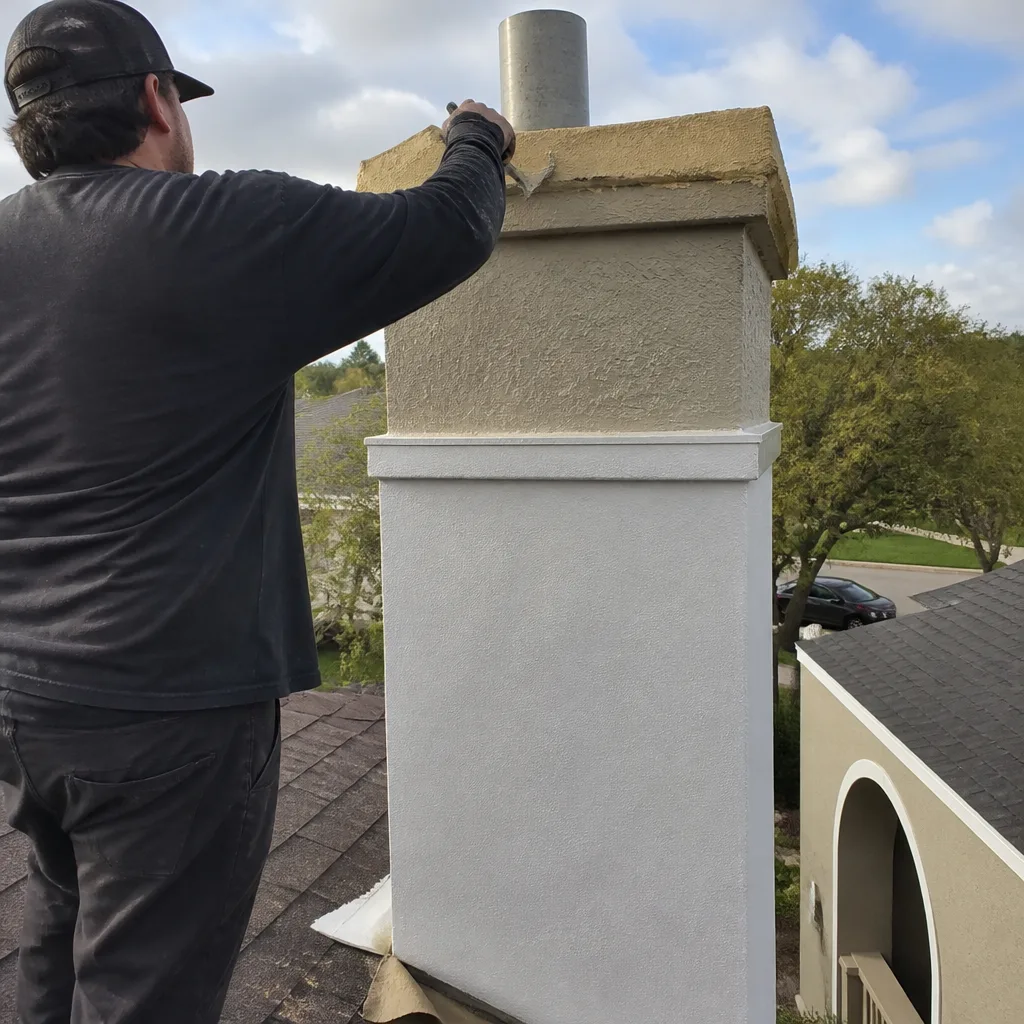
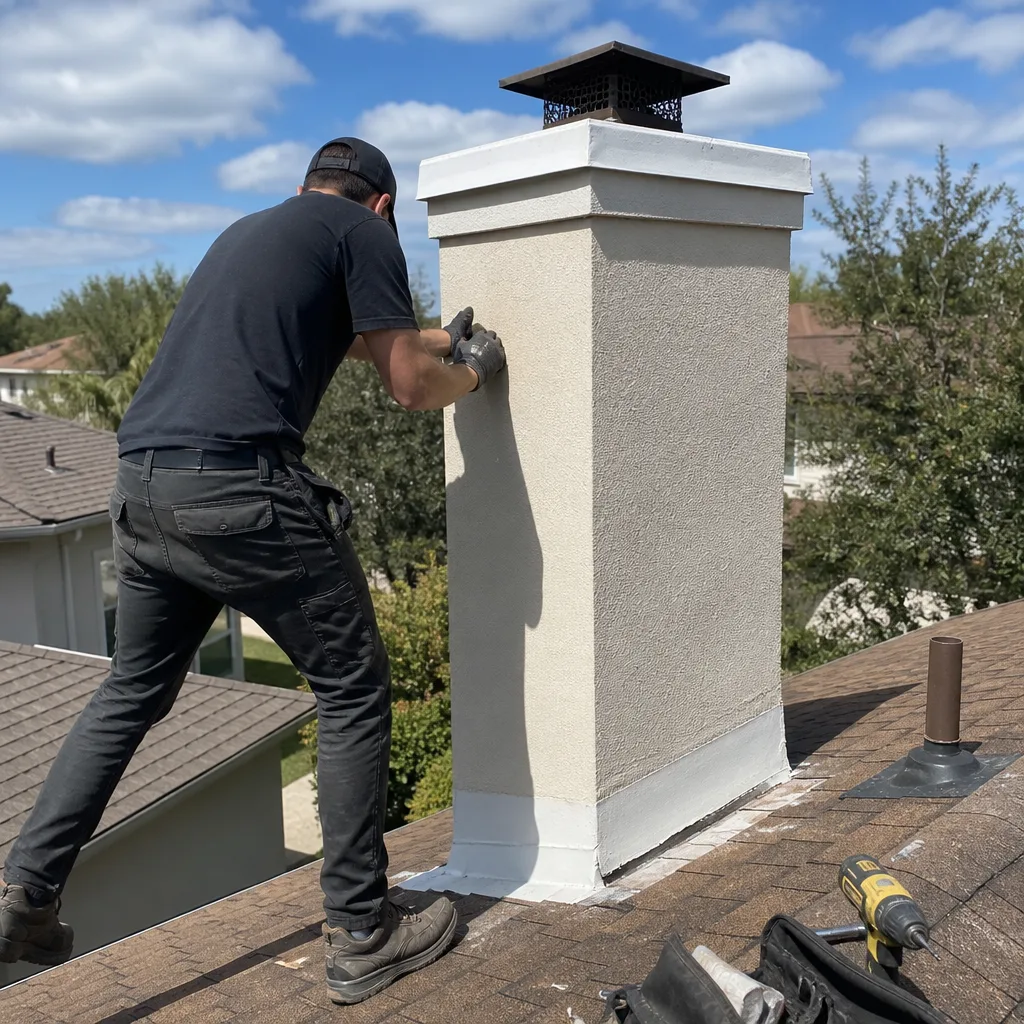
See the difference
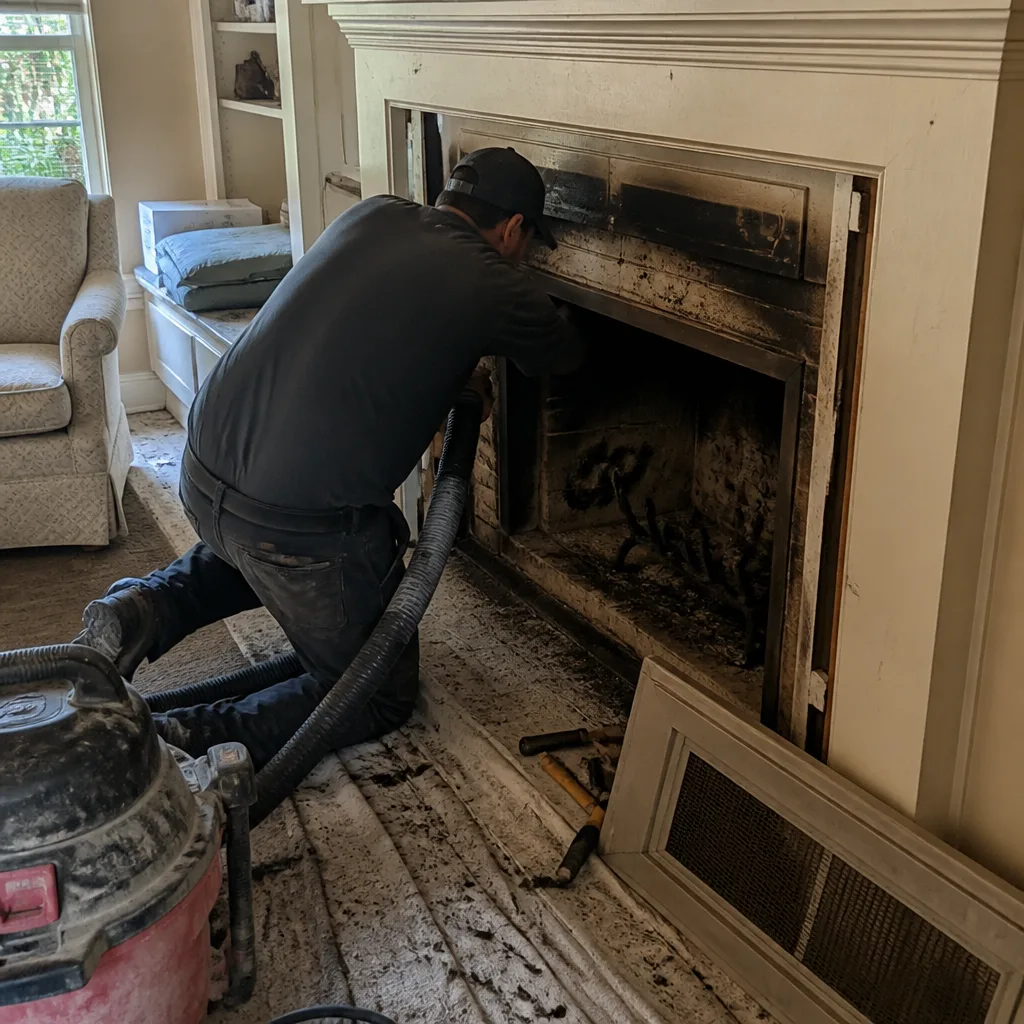 Before
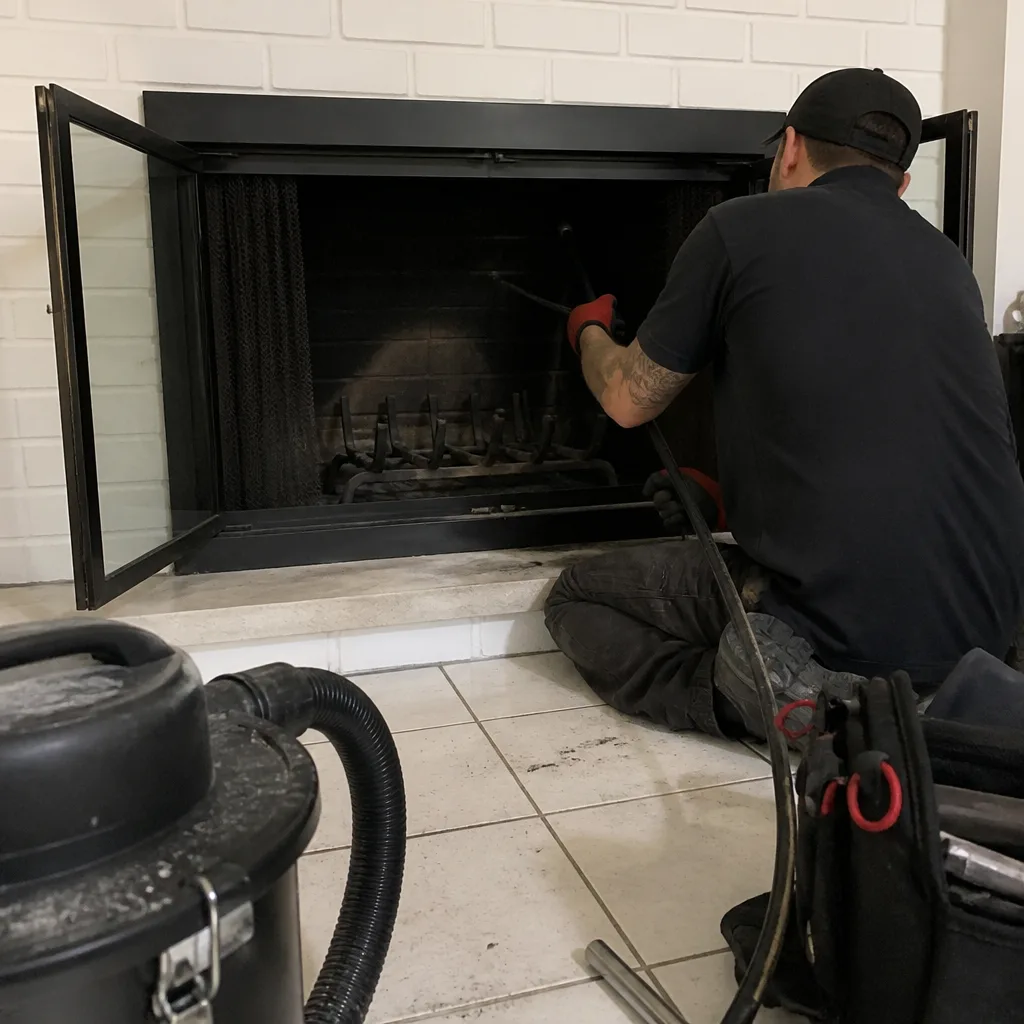 After
After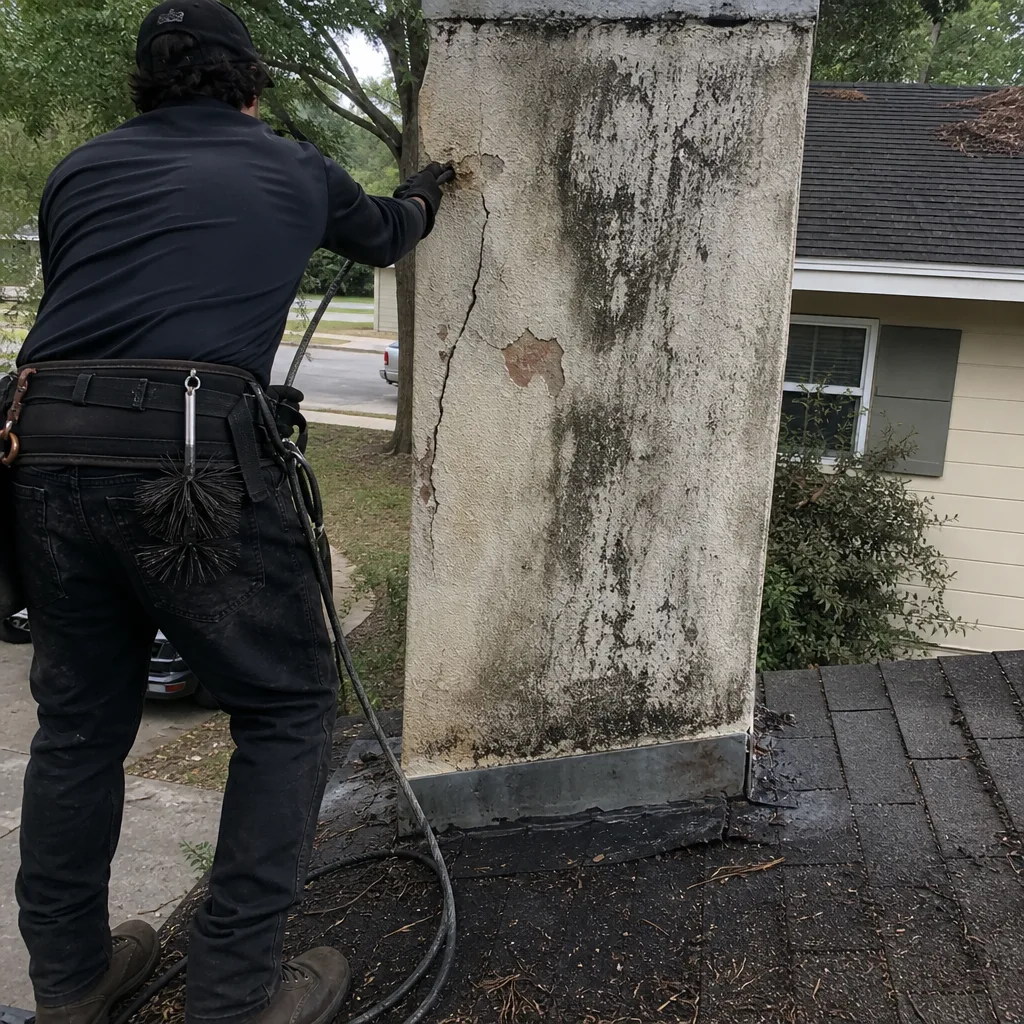 Before
 After
After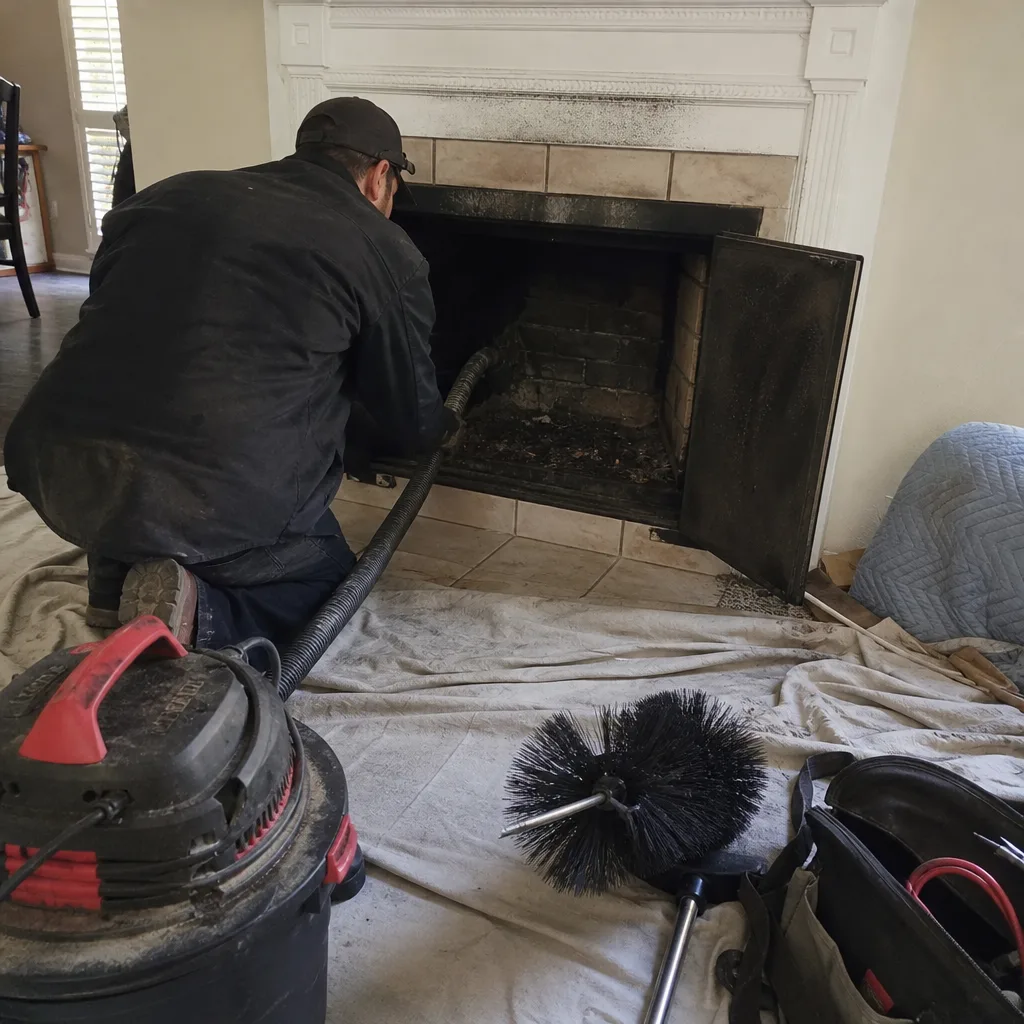 Before
 After
After