
Last updated October 15, 2026
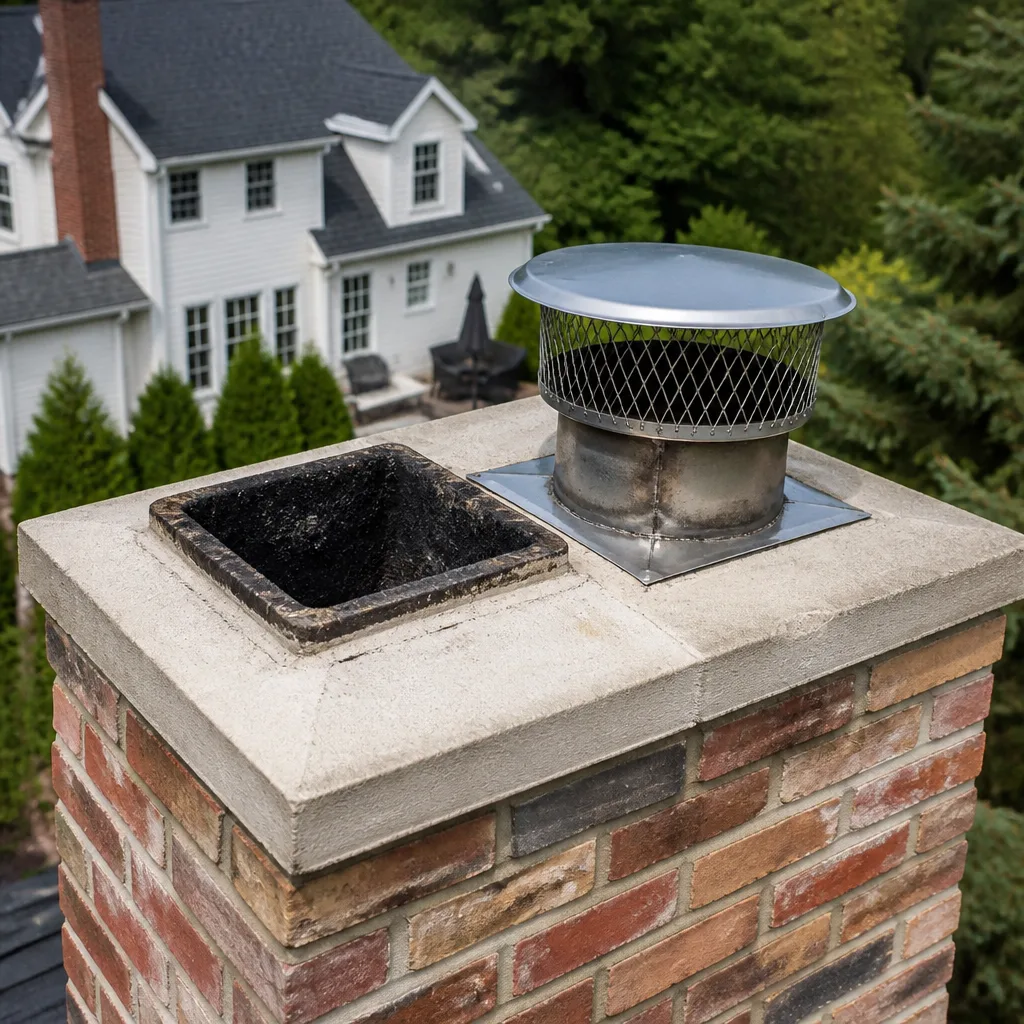 Sweep & inspection
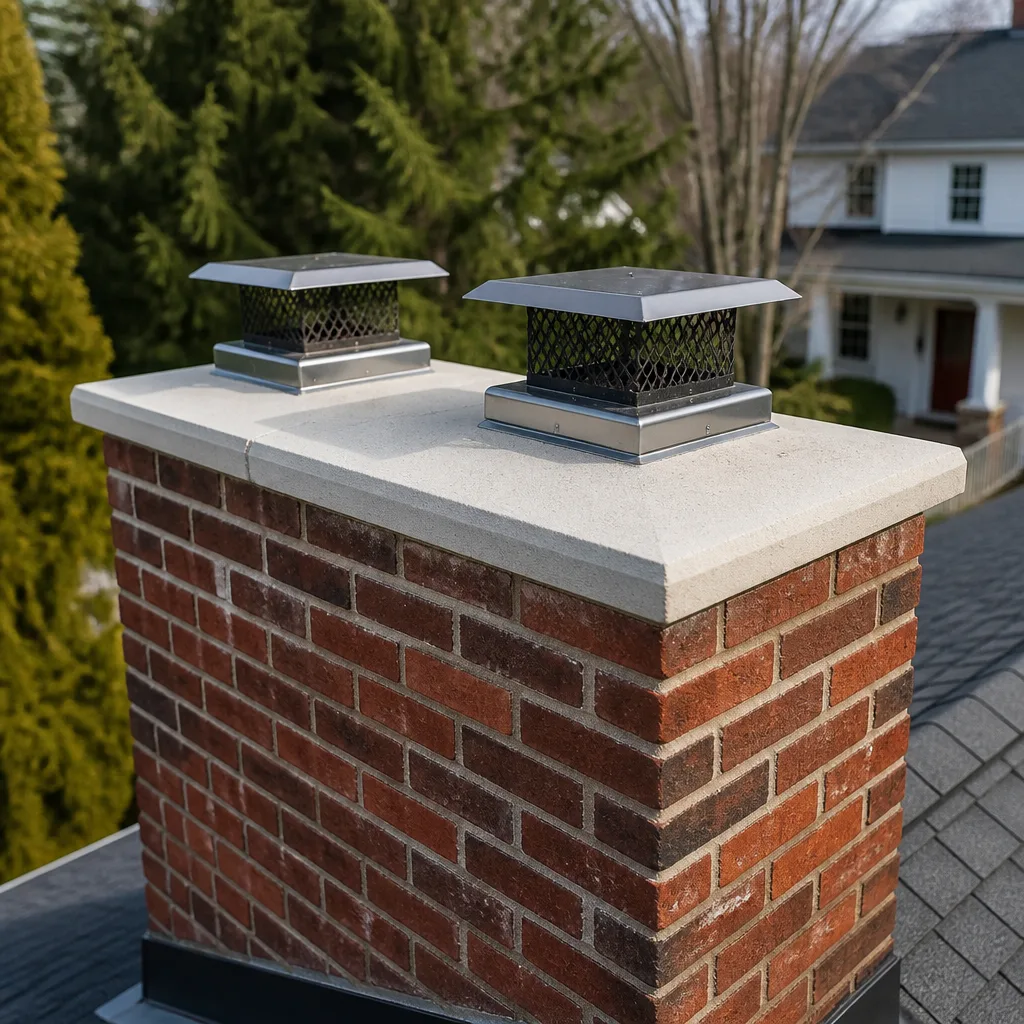 Caps & crowns
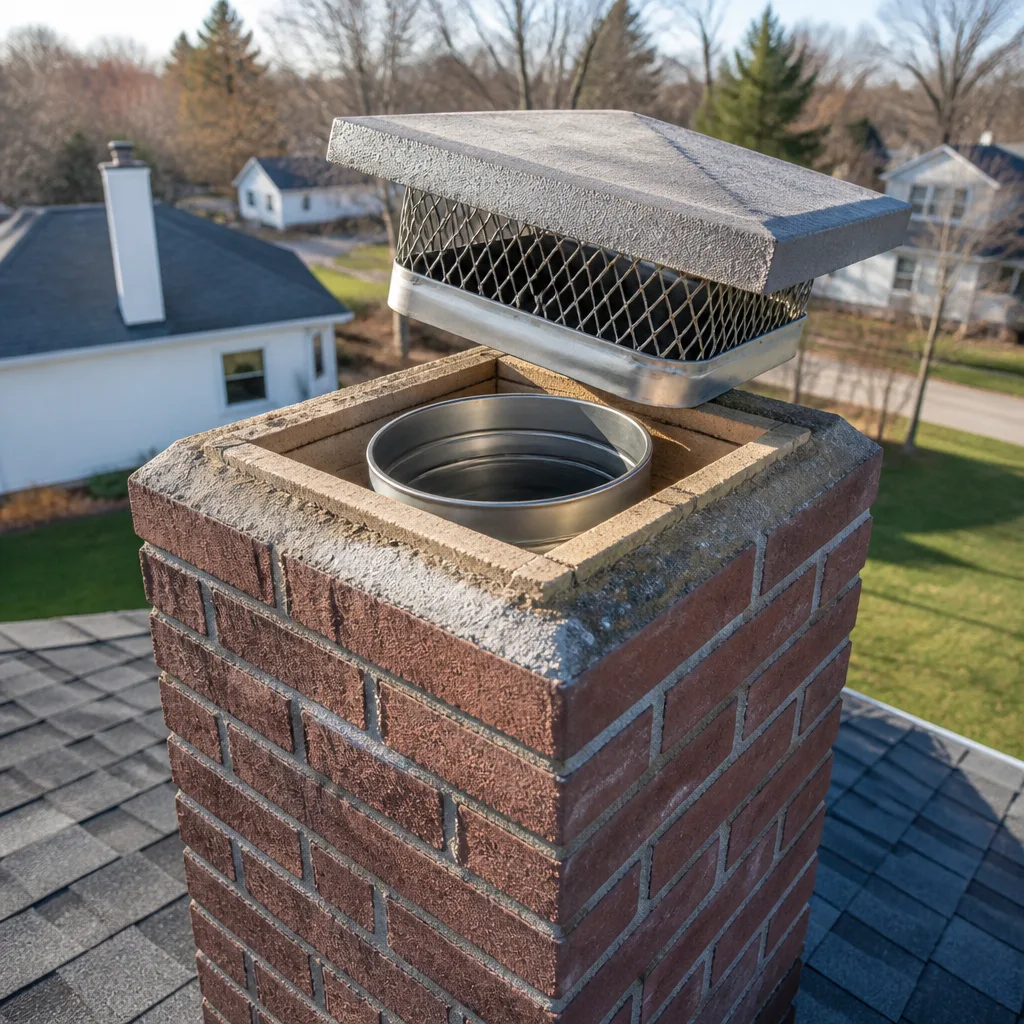 Flue relining
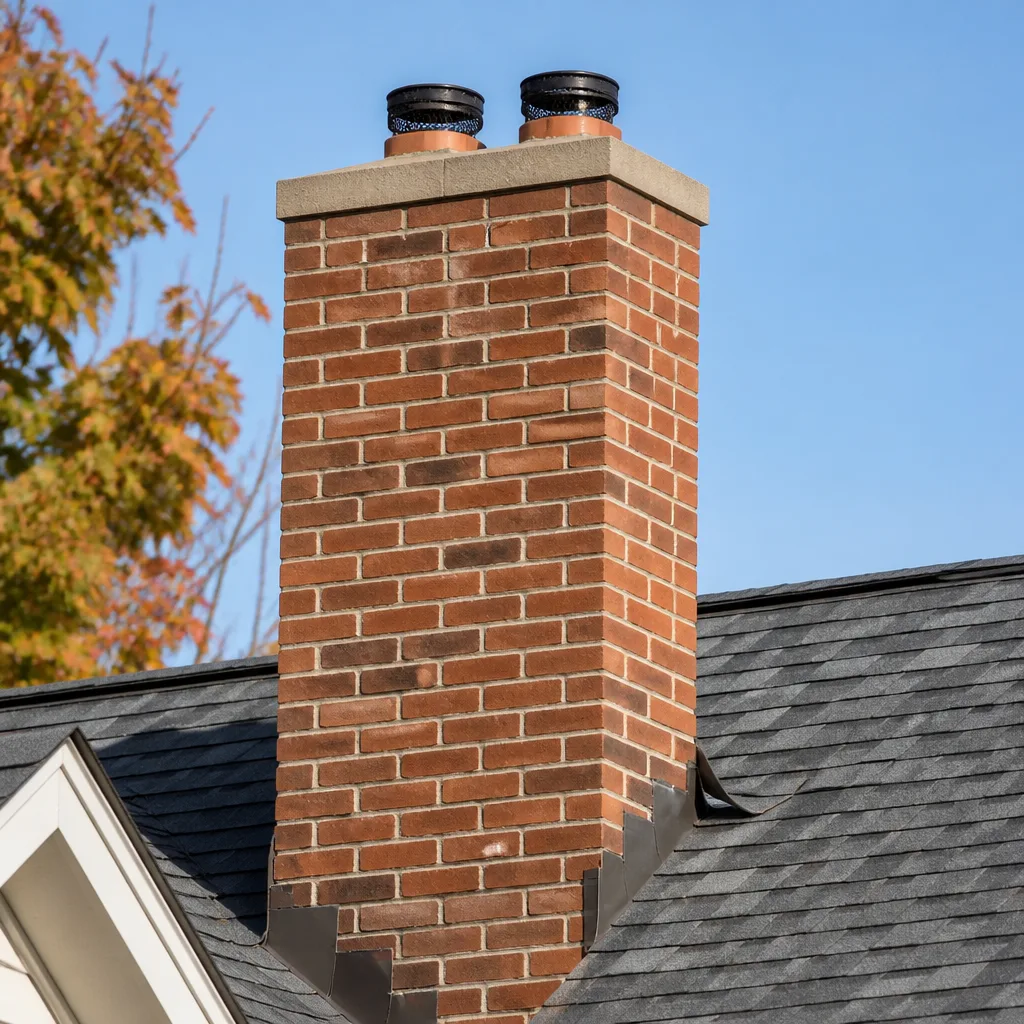 Masonry repair
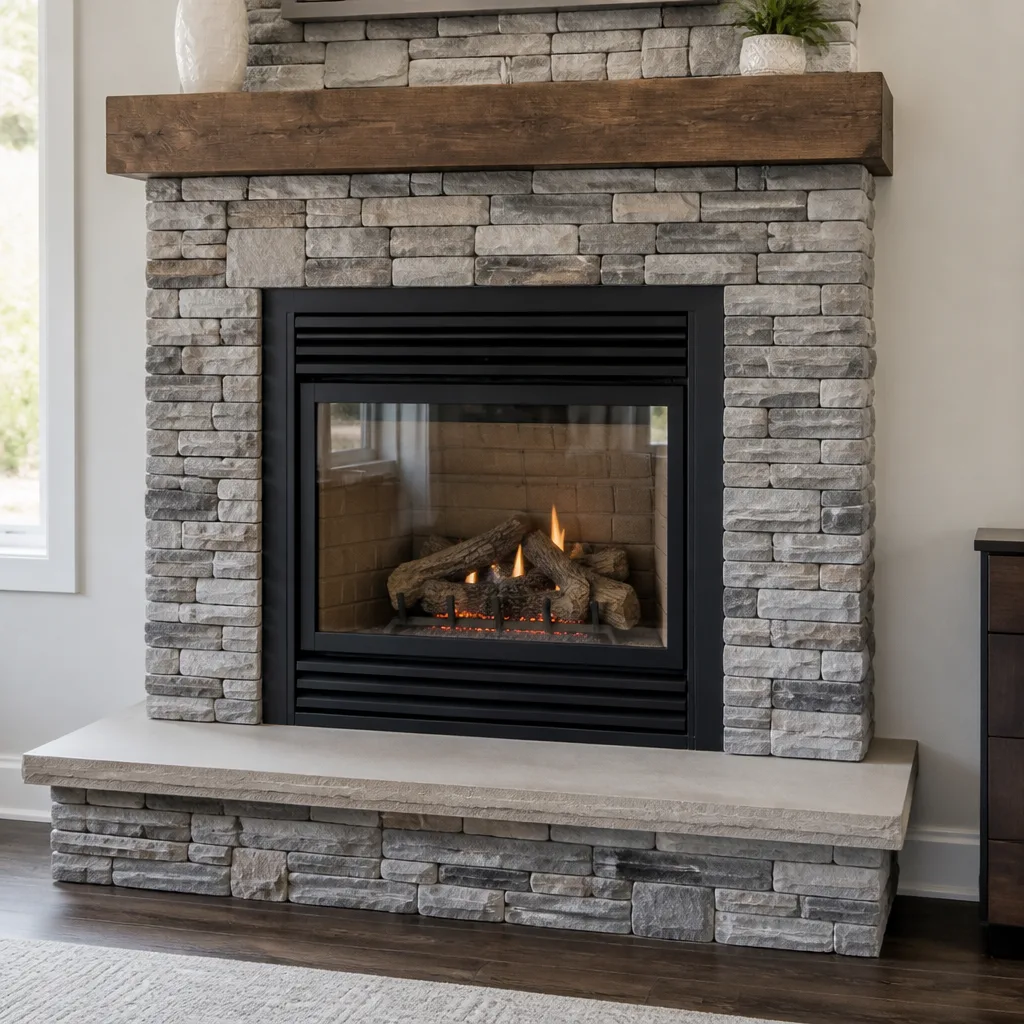 Gas fireplace service
Level 1 sweep and inspection to the NFPA 211 annual standard - flue, crown, cap, and flashing checked and photographed
Chimney sweep logs do not sweep chimneys. They loosen some creosote - which then falls where a brush and vacuum still have to collect it.
Seasonal Chimney Cleaning Care for Tampa: Year-Round Homeowner’s Guide
Squirrels, raccoons, and chimney swifts don’t wait for fall to move into an uncapped flue. Tampa’s warm winters mean nesting season is essentially year-round, and a chimney that was clean in November can have a bird nest blocking 40% of the flue by March. Most chimney guides treat Florida as an afterthought, recycling four-season advice written for Minnesota or Massachusetts. That advice fails Tampa homeowners. This guide replaces the traditional seasonal framework with a Tampa-realistic two-phase calendar built around what actually happens to masonry and liners in a subtropical climate: relentless humidity, tropical storm systems, and pest pressure that never fully stops. You’ll learn what to check each month, when to book a sweep, what a year-round service agreement should actually include, and how to protect your fireplace during the months it sits unused.
Styles & brands we work with
Quick Answer
Year-round chimney care in Tampa means following a two-phase calendar: Active Season Prep from September through November, and Dormant Season Protection from December through August. During the dormant phase, your biggest risks are moisture intrusion through cap, flashing, or chase cover failures, pest entry through uncapped flues, and mold growth on the firebox surround from trapped humidity. A professional chimney sweep in Tampa typically costs $189 to $329-see our Chimney Cleaning Cost Breakdown: The Tampa Homeowner’s Reference for 2026 for full pricing details-and scheduling it in late summer rather than October gets you better technician availability and a more thorough job before the first cold snap creates a booking rush.
Table of Contents
- Why Tampa Has No True Chimney Off-Season
- The Two-Phase Tampa Chimney Care Calendar
- Active Season Prep: September Through November
- Dormant Season Protection: December Through August
- Summer Moisture Control Inside the Firebox
- Why Late Summer Is the Smartest Time to Schedule a Tampa Sweep
- What Year-Round Coverage in a Service Agreement Should Actually Include
- Common Mistakes to Avoid
- When to Call a Professional
- Frequently Asked Questions
- The Bottom Line
Why Tampa Has No True Chimney Off-Season
In most of the country, a chimney “off-season” means cold weather ends, the fireplace stops being used, and homeowners forget the chimney exists until October. Tampa doesn’t work that way. Our coldest month, January, averages a low of 52°F. That means pests that would die off or hibernate in northern climates stay active here all year. Squirrels breed twice annually in Florida, in late winter and late summer, and each breeding cycle sends them looking for nesting cavities. An uncapped flue is exactly what they’re looking for.
Moisture follows a similar pattern. Summer thunderstorms and tropical systems push wind-driven rain against chimney crowns, caps, and flashing from June through November. That water doesn’t just sit on top of the chimney. It works into hairline cracks in the crown, seeps behind flashing, and soaks into the porous masonry. Once inside the flue, it mixes with creosote residue and creates an acidic slurry that accelerates liner corrosion. In our experience, the majority of liner damage we find in Tampa homes traces back to moisture entry during the summer months, not to heavy burning during winter. The fireplace may be dormant, but the chimney isn’t.
This is why we tell Tampa homeowners to think of chimney care as an active, year-round practice rather than a once-a-year appointment. The tasks change with the season, but they never stop. A Chimney Inspection in Tampa in February catches issues that a November inspection missed, because February is when spring pest pressure starts building and winter storm damage has had time to reveal itself.
The Two-Phase Tampa Chimney Care Calendar
Instead of four seasons, we think about Tampa chimney care in two phases. The first is Active Season Prep, running from September through November, when you’re getting ready to burn. The second is Dormant Season Protection, running from December through August, when the fireplace sits mostly unused and your job is keeping moisture, pests, and humidity out. Each phase has specific monthly tasks that take most homeowners under 15 minutes.
Active Season Prep: September – November
This phase is about making the fireplace safe and efficient for the handful of cold evenings Tampa gets each year. The work happens before you light the first fire, not after.
Dormant Season Protection: December – August
This is the longer phase, and honestly, the one where most chimney damage happens. Your focus during these nine months is exterior protection: cap integrity, flashing sealant, chase cover condition, and humidity control inside the firebox.
Here is the month-by-month breakdown we recommend for Tampa homeowners:
| Month | Phase | Homeowner Task | Professional Task If Needed |
|---|---|---|---|
| January | Dormant | Visual check of cap from ground after any winter storms; note any rust or shifting | Cap replacement if rust is visible or the mesh is torn |
| February | Dormant | Listen for animal activity in the flue during quiet evenings; check damper seal | Pest removal and cap installation if animals are present |
| March | Dormant | Inspect firebox for mold spots or musty odor; run a small dehumidifier nearby if damp | Mold remediation and moisture source identification |
| April | Dormant | Check exterior brick for efflorescence (white powdery deposits); note any new cracks | Masonry sealant application if efflorescence is widespread |
| May | Dormant | Verify cap mesh is intact before squirrel birthing season peaks; trim overhanging branches | Cap replacement or mesh repair |
| June | Dormant | Inspect flashing sealant for gaps or cracking as storm season begins | Flashing reseal or replacement before peak tropical activity |
| July | Dormant | Check chase cover (for prefab fireplaces) for rust or warping; inspect crown for new hairline cracks | Chase cover replacement or crown repair |
| August | Dormant | Book your annual sweep and inspection before the fall rush | Full sweep, inspection, and any repair work |
| September | Active | Confirm dampers open and close fully; vacuum firebox if needed | Minor damper adjustment if sticking |
| October | Active | Stock seasoned firewood; test fireplace with small fire | Any last repairs flagged at the August sweep |
| November | Active | Check smoke detectors and carbon monoxide alarms; review chimney safety with family | Smoke test if any draw concerns |
This calendar works with Tampa’s actual climate, not a generic seasonal template. The pest pressure peaks in spring, the moisture pressure peaks in summer, and the burning season is short enough that one well-timed sweep covers it.
Active Season Prep: September Through November
September through November is when most Tampa homeowners start thinking about their fireplace again. It’s the right instinct, but the timing matters more than most people realize. By late September, the first cool front has usually passed through, and if you haven’t had your chimney inspected since last winter, you’re starting the burning season with nine months of accumulated unknowns.
Here’s what we recommend, in order:
- Book the annual sweep and inspection in late summer. This is covered in detail below, but the short version is that a sweep done in August or early September catches problems with months to spare, costs the same, and gets you a technician with a full attention span rather than one racing through a ten-job day in late October.
- Check and clean the firebox yourself. Scoop out old ash (leave about an inch for insulation if your firebox masonry is in good shape), wipe down the surround, and check the damper for smooth operation. If the damper is rusted open or stuck closed, that’s a call to us, not a DIY fix.
- Test your smoke detectors and carbon monoxide alarms. Every year, without exception. Replace batteries if they’re more than six months old. A working CO detector is the last line of defense against a backdrafting fireplace.
- Stock the right firewood. Split, seasoned hardwood is the standard. In Tampa, the firewood supply chain is limited compared to northern markets, so order early. Green or wet wood creates more creosote and burns less efficiently.
- Do a family fire drill. Not literally, but walk through the basics: where the fire extinguisher is, how to open a window a crack if the room gets smoky on startup, and what “established draft” means before adding logs.
For most Tampa families, the annual burn season runs from late November through early February, with occasional fires in March if a late cold front comes through. That’s roughly 10 to 20 burns per year. With a properly cleaned chimney and good burning habits (small, hot fires; seasoned wood; no paper with colored ink), creosote buildup between annual sweeps is a minor concern. The bigger concern is what happened to the chimney in the nine months it sat idle.
When we perform a Chimney Sweep in Tampa, the sweep itself typically takes 45 to 90 minutes. The inspection portion is what actually tells you whether the chimney is safe to burn. We’re checking for animal nests, moisture damage, liner cracks, and creosote levels at several points inside the flue. You get a written report before any repair work is quoted, so you’re never making a decision based on pressure or incomplete information.
Dormant Season Protection: December Through August
Nine months of the year, your Tampa fireplace is mostly a decorative feature. The chimney above it, though, is still exposed to everything Tampa’s climate throws at it. This is the phase where year-round care actually matters, and it’s the phase most homeowners skip.
The three high-priority checks during dormant season are cap integrity, flashing sealant, and chase cover condition. Here’s what each one means and what you’re looking for.
Cap Integrity
The chimney cap is your first line of defense against pests and water. A good cap has a solid top, a mesh side screen with openings no larger than 3/4 inch, and a secure attachment. In Tampa, galvanized caps rust faster than in drier climates because of the constant humidity and salt air in coastal neighborhoods. We see caps on roofs in South Tampa, Davis Islands, and along Bayshore that look like lace after five or six years.
Check your cap from the ground each month during dormant season if you can see it. Look for rust, shifting, torn mesh, or a cap that’s missing entirely. If branches from oaks or palms hang over the chimney, trim them back. Squirrels use branches as highways to your flue.
Flashing Sealant
Flashing is the metal material that seals the gap where the chimney meets the roof. Over time, the sealant around flashing cracks and pulls away due to thermal expansion and contraction, even in Tampa’s relatively mild temperature swings. Once the sealant fails, water runs down the outside of the chimney structure and into the attic or ceiling.
This is a check best done from the roof, which means it’s a job for a professional unless you’re comfortable and safe on a ladder. We include flashing inspection with every chimney service we perform. If you’re not having a professional out during dormant season, at minimum check your ceiling and attic around the chimney after heavy summer storms for water stains.
Chase Cover Condition
If you have a prefabricated (factory-built) fireplace, you don’t have a masonry chimney. Instead, you have a wood-framed chimney structure covered by a metal chase cover on top. These covers are typically made of galvanized steel and they rust. In Tampa’s humidity, a chase cover can fail in as few as eight years. When it does, water pours directly down around the flue pipe and into the firebox or the wall cavity.
Chase cover replacement is one of the most common repairs we handle for prefab fireplace owners in Tampa. It’s also one of the most preventable: a visual check once a month during the rainy season catches rust and warping before it becomes a leak.
For any of these components, if you spot a problem during your monthly check, call us. A small repair now (a new cap, a sealant touch-up) is always cheaper than the damage it prevents. That’s the whole point of year-round care.
Summer Moisture Control Inside the Firebox
Tampa’s summer humidity averages around 74% relative humidity, often spiking higher after afternoon thunderstorms. Inside a closed firebox with the damper shut, that humid air condenses on cooler masonry and metal surfaces. The result is exactly what you’d expect: mold growth on the firebox surround, rust on the damper assembly, and a stale musty odor that drifts into the room.
This is a Tampa-specific problem that almost never comes up in chimney guides written for dry climates. Here’s how to manage it.
- Keep the damper closed, but not for weeks at a time without air movement. A permanently sealed firebox traps humidity. Every couple of weeks during the summer, open the damper for a few hours on a dry day to let the flue air out.
- Leave the firebox doors (glass or screen) slightly ajar once a month. This allows air exchange inside the firebox chamber without fully opening the house to outside humidity.
- Use a small desiccant pack or moisture absorber in the firebox. The kind sold for closets and RVs works fine. Replace it monthly during peak summer. Place it on a small tray so it doesn’t sit directly on the masonry.
- If your firebox has a gas log set, check the burner and controls for rust each month. Gas log systems are more sensitive to corrosion than wood-burning setups. Rust on the controls is a sign the firebox humidity is too high.
- Run a dehumidifier in the room if the fireplace is in a space that already runs humid. Homes in Tampa without central HVAC or with older systems often have indoor humidity above 60% in summer. Keeping the room below 55% RH protects both the firebox and the furniture around it.
If you open the firebox in June and see black or green spots on the brick or the surround, that’s mold. It happens. Don’t try to bleach it out. Bleach doesn’t penetrate porous masonry and it can react with creosote residue. Call us and we’ll identify the moisture source and clean the affected surfaces properly. Often the fix is a cap adjustment or a damper repair that costs far less than replacing a mold-damaged firebox surround.
Why Late Summer Is the Smartest Time to Schedule a Tampa Sweep
The standard advice is to book a chimney sweep in the fall. In Tampa, that advice means competing with every other fireplace owner in Hillsborough County for the same October and November slots. The result is predictable: longer wait times, rushed appointments, and technicians who are trying to get through a packed schedule before the first cold snap. Watch for Chimney Cleaning Warning Signs: A Tampa Homeowner’s Reference Guide to know when you can’t wait.
Booking in August or early September changes the whole dynamic. Here’s what you get:
- Better technician availability. We’re not running a ten-appointment day in August. We can spend more time on your inspection and answer every question without looking at the next job on the schedule.
- Repairs completed before you need the fireplace. If the August inspection finds a cracked liner or a failed cap, we can schedule the repair in September or October and have it done before the temperature drops. If you wait until November, that repair may not happen until after you’ve already lit your first fire.
- No weather-related rescheduling. Tampa’s afternoon thunderstorms in summer are predictable but brief. Sweeps can be rescheduled around a 4pm storm without losing the day. In fall, cold fronts and wind move more slowly, and rescheduling often means waiting another week or two.
- You start the burn season with confidence. The first cold evening in November, when the whole family is home and asking for a fire, you already know the chimney is clean, the damper works, and the smoke will draw correctly.
The cost of a sweep is the same in August as it is in October. Most standard chimney sweeps in Tampa run between $189 and $329, depending on the height of the chimney, the level of creosote, and whether you have a masonry or prefab system. The difference is the quality of the experience. That’s why we encourage Tampa homeowners to treat August as “chimney month” on their home maintenance calendar.
What Year-Round Coverage in a Service Agreement Should Actually Include
“Year-round coverage” sounds good, but the phrase gets thrown around loosely in the chimney industry. Some companies mean a discount on your annual sweep. Some mean a basic inspection once a year. Some mean you’re on an automated reminder list. Before you sign anything, here’s what a year-round service agreement is actually worth paying for in Tampa, including how it aligns with Chimney Cleaning Permits, Codes & Inspections in FL: What You Need to Know.
What a Real Agreement Covers
- A documented annual sweep and inspection, with a written report. This is the baseline. The report should state creosote level, liner condition, cap condition, flashing condition, and any recommended repairs. If the agreement doesn’t include a written report, it’s a reminder service, not a protection plan.
- Priority scheduling for emergency calls. If a storm knocks a branch through your cap in July, you don’t want to wait three weeks. A legitimate agreement puts agreement customers at the front of the schedule for repair calls.
- Moisture and pest entry inspection during both phases. A November inspection only tells you the chimney is clean. A separate spring or summer check tells you whether pests or water have moved in since. Two checkpoints per year is the minimum for a real year-round plan.
- Discounted or included minor repairs. Cap replacement, sealant touch-ups, damper adjustments. These are the small items that prevent big ones. A good agreement covers them at a reduced rate or includes them outright.
- A price lock on the annual sweep. A stated price that doesn’t change for the term of the agreement. If the company won’t commit to a number in writing, the agreement isn’t worth much.
What It Should Never Include
- Fine print that excludes storm damage. Storm damage is the most likely repair scenario in Tampa. If the agreement excludes it, the agreement doesn’t cover the thing you’d actually need it for.
- Automatic renewal without written notice. Reputable agreements renew with a clear written notice, not a surprise credit card charge.
- Pressure to commit during the same visit. Any company that pressures you to sign a multi-year agreement on the spot after a sweep is not selling protection. They’re selling lock-in. A written offer with time to review is standard practice.
- Treating October as the only month that matters. The single most common mistake we see in Tampa is the “fall appointment” mental model. By October, any moisture or pest damage from the previous nine months has already happened. Year-round awareness is the fix.
- Skipping the cap inspection because “the fireplace still works fine.” The cap protects the chimney whether you’re burning or not. A failed cap doesn’t affect your next fire; it affects your attic, your walls, and your liners over time. Most cap failures are silent.
- Using the fireplace with a known crack in the firebox or liner. Even a small hairline crack is a pathway for heat and gases into your home’s structure. It doesn’t get better. It gets wider. Don’t burn until it’s assessed.
- Burning unseasoned or wet wood, especially after summer rain. Wood stored outdoors in Tampa absorbs water from the air even if it’s covered. Wet wood produces less heat, more smoke, and accelerates creosote deposition. Buy kiln-dried or properly seasoned wood and store it off the ground under cover.
- Closing the damper immediately after a fire with the ashes still warm. Closing the damper traps warm, moist air inside the firebox, which feeds mold growth. Leave the damper open until the fire is completely out and the ashes are cool, usually several hours to overnight.
- Ignoring a musty odor or visible mold in the firebox until “fall cleaning time.” Mold doesn’t wait for October. If you see it or smell it in May, address it in May. The moisture source is likely active and causing secondary damage you can’t see yet.
- Hiring based on price alone without understanding what’s included. A $99 sweep special often doesn’t include an inspection, a written report, or any level of clean-up protection. The price you see is not the price you pay, and the service you need isn’t the service you get.
We don’t offer a confusing menu of plans. We work to the Cedarwell Care Promise and the 365-Day Done Right Promise on every single visit, whether it’s a one-time sweep or an ongoing care relationship. The written price is delivered before any work starts. The clean-up is photographed before the crew leaves. And if the work isn’t right, we make it right. Those promises apply to your first call and your fiftieth.
For homeowners who want structured year-round care, we’ll lay out exactly what’s included, what it costs, and what’s covered, in writing, with no pressure to decide that day. That’s the honest version of year-round coverage.
Common Mistakes to Avoid
When to Call a Professional
Call us if you see rust or shifting on your chimney cap, water stains on the ceiling or walls near the chimney, mold or a musty odor inside the firebox, evidence of animals in the flue (noises, droppings, nesting material visible at the firebox), or a damper that won’t open or close fully. Also call if you smell smoke in the house when the fire isn’t running, or if the fireplace suddenly draws poorly. These are not “wait until fall” issues. Any one of them points to a problem that’s active right now. Kindling Chimney Tampa offers free estimates in Tampa, and a live person answers our calls 24/7. If you’re not sure whether something is a problem, call (850) 290-0897 and describe it. We’ll tell you honestly whether it needs attention or can wait.
Frequently Asked Questions
Once a year is the right interval for most Tampa homes that burn 10 to 20 fires per season. Your chimney should be swept at least annually regardless of burn frequency, because the inspection portion catches moisture, pest, and structural problems that happen during the months the fireplace sits unused.
A standard chimney sweep in Tampa runs between $189 and $329. The final price depends on chimney height, creosote level, and whether you have a masonry or prefab system. We deliver a written price before any work starts, so the number you’re quoted is the number you pay. Call (850) 290-0897 for an exact quote.
Yes, because the sweep is secondary to the inspection. Even if you burn once or twice, your chimney is exposed to Tampa’s climate every day. The inspection is what catches the rusted cap, the cracked flashing sealant, and the animal nest before they become expensive repairs.
Three things stack up. First, creosote accumulates even from light use, and creosote is flammable. Second, small defects widen. A hairline crack in the crown becomes a water path. A small rust spot on the chase cover becomes a leak. Third, pests move in when the cap fails and you don’t notice. Most expensive chimney repairs we handle in Tampa are preventable with a yearly inspection.
You can and should do monthly visual checks from the ground during dormant season. What you can’t safely do from the ground is inspect the interior of the flue, the condition of the liner, the flashing sealant, or the structural integrity of the crown. Those checks require training and roof access. A visual check from the yard is a supplement to, not a replacement for, a professional inspection.
It covers every sweep, inspection, and fireplace repair we perform. If the work isn’t done right, we make it right, no fine print and no runaround. The promise is backed by the Cedarwell Care Promise on every visit: shoe covers and drop cloths go down on arrival, nothing is moved without asking, a written price is delivered before work starts, and a photo of the clean-up is taken before the crew leaves.
The Bottom Line
Tampa’s climate makes chimney care a year-round responsibility. The two-phase approach in this guide gives you a clear monthly framework: Active Season Prep for the short burning window, and Dormant Season Protection for the long stretch when moisture, humidity, and pests do most of their damage. Book your sweep in late summer, check your cap and flashing monthly, manage firebox humidity during the rainy season, and call a professional the moment something looks off. For ongoing guidance, explore our more guides & resources. The cost of prevention is measured in hundreds. The cost of neglect is measured in thousands. Kindling Chimney Tampa has helped homeowners protect their chimneys and their families across Tampa since 2003, and we’re here whenever your calendar says it’s time.
Call (850) 290-0897 for a free estimate, or reach out through our Kindling Chimney Tampa home page. For more on what a full Fireplace Repair in Tampa includes, or to schedule your next sweep or inspection, we’re ready when you are.
Written by Danny Cortes, Owner at Kindling Chimney Tampa, serving Tampa since 2003.
See the difference
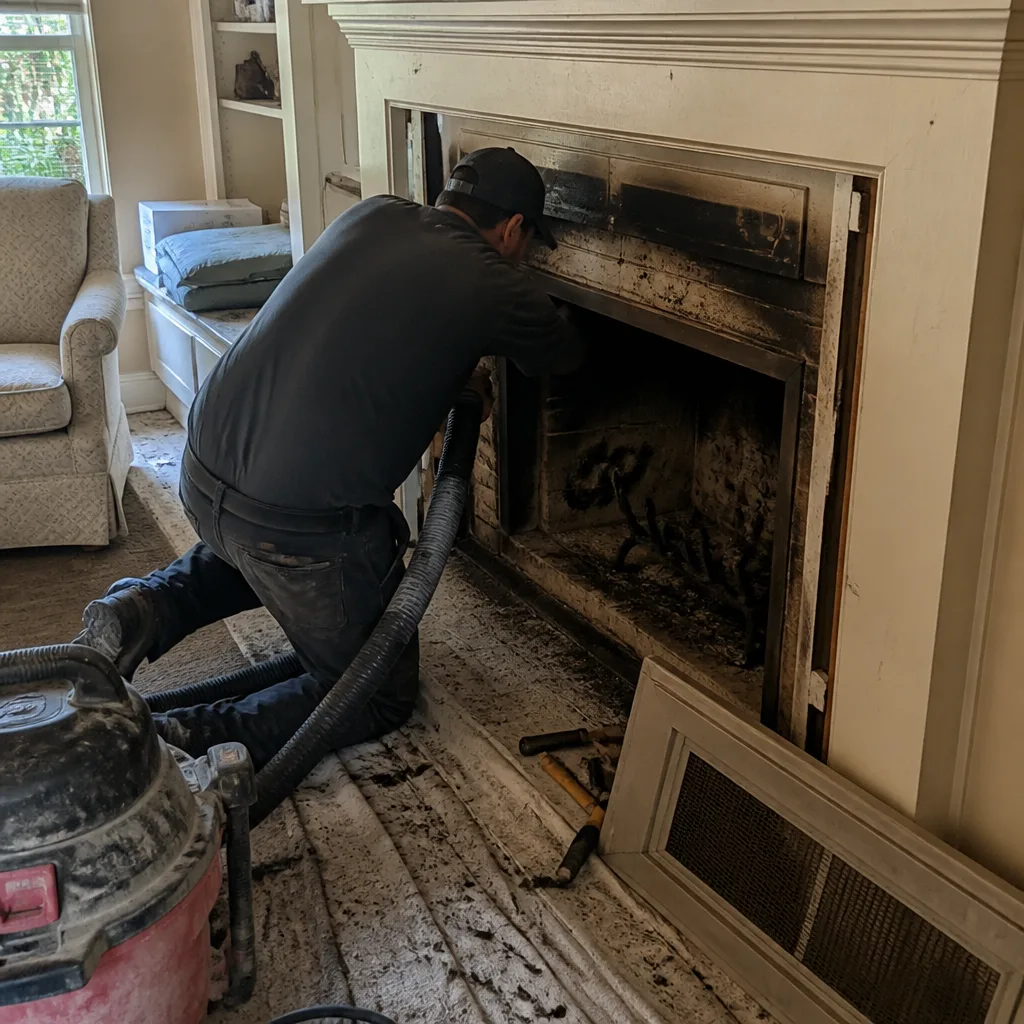 Before
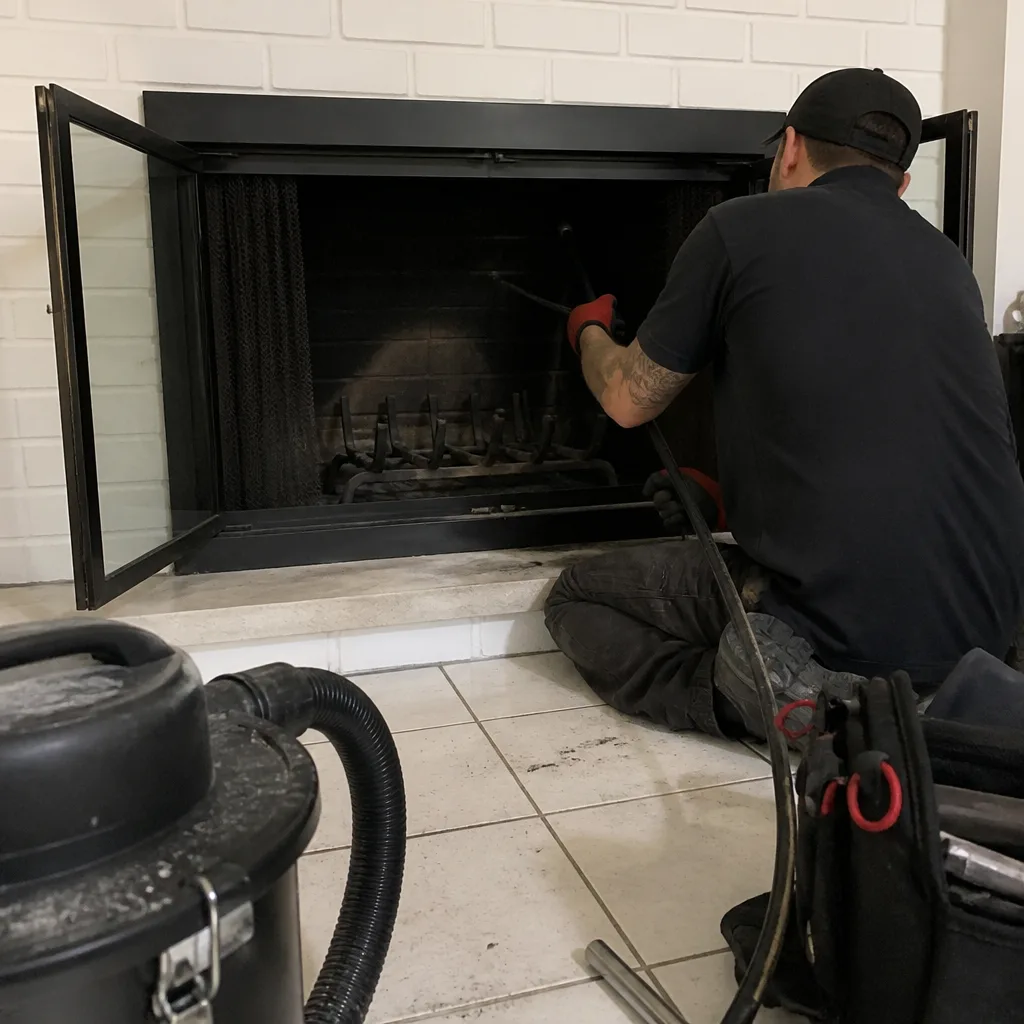 After
After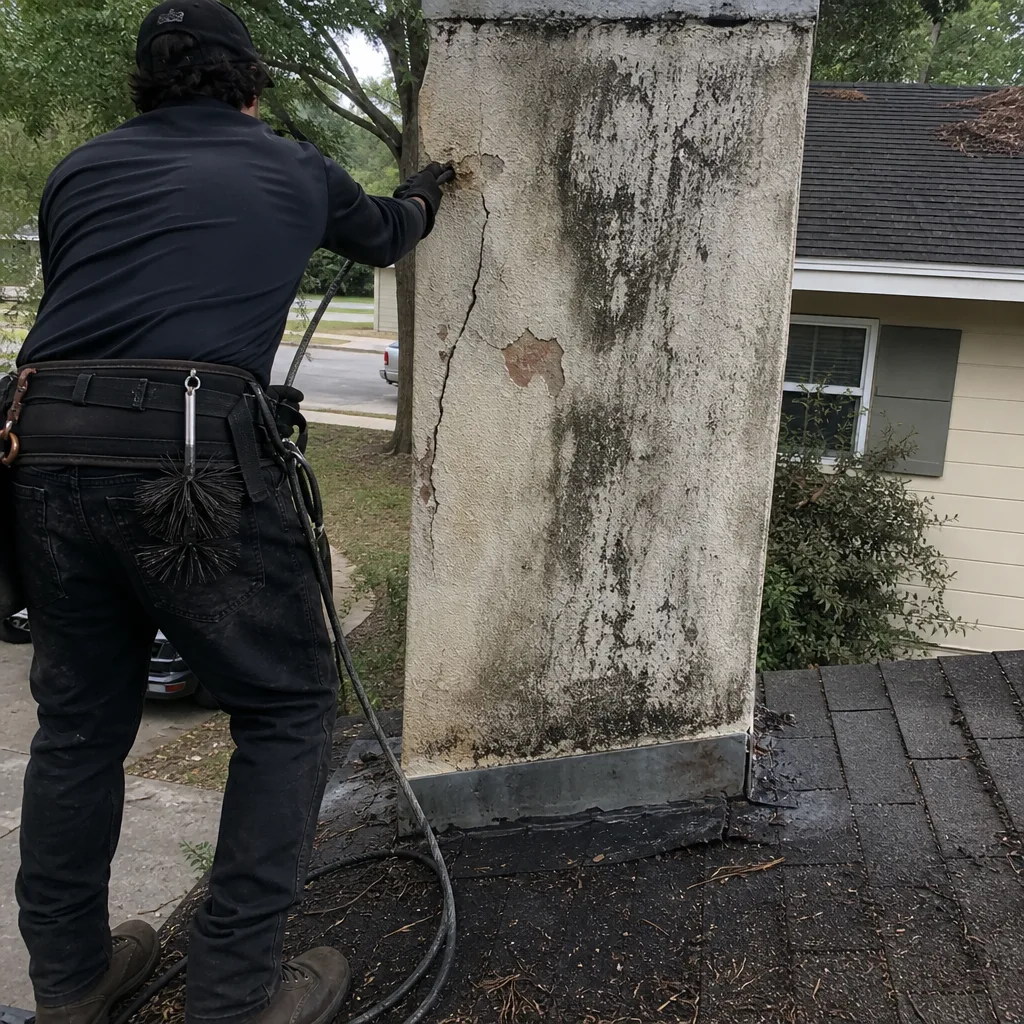 Before
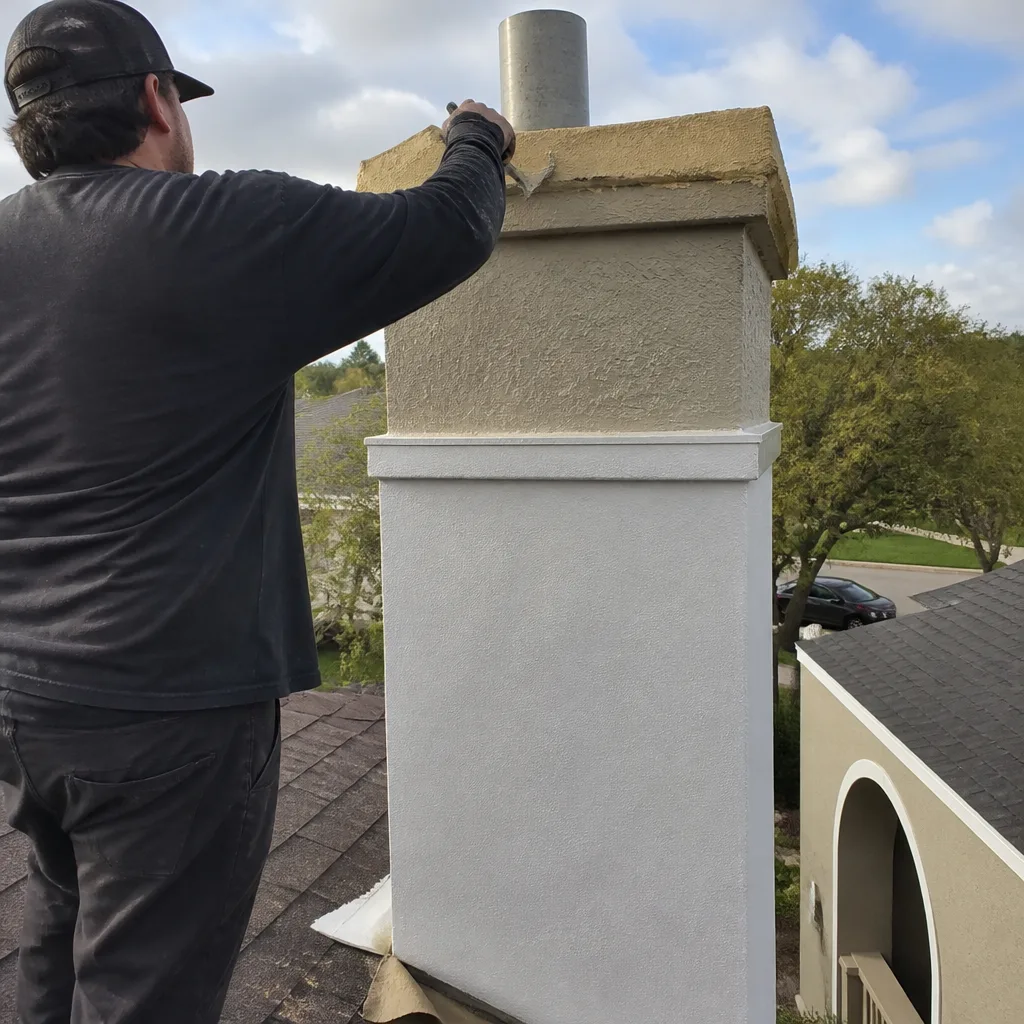 After
After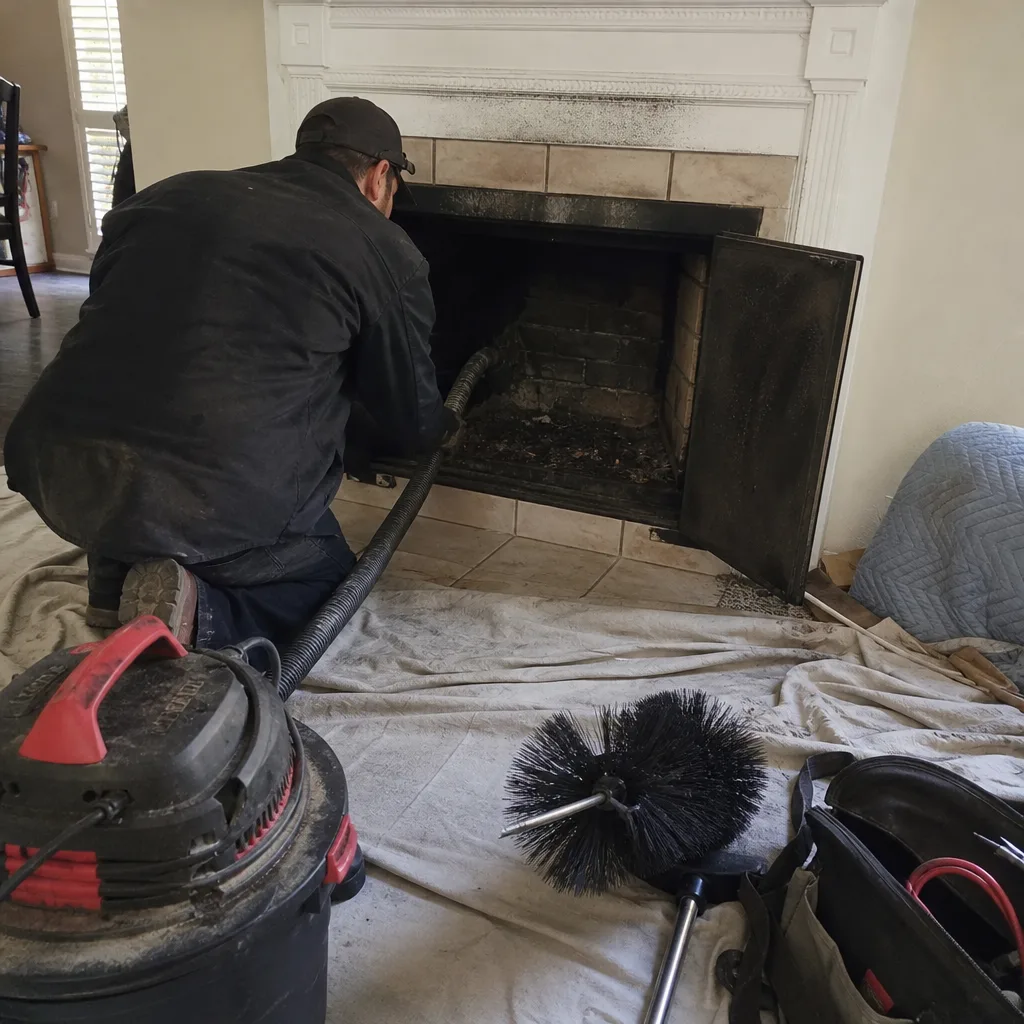 Before
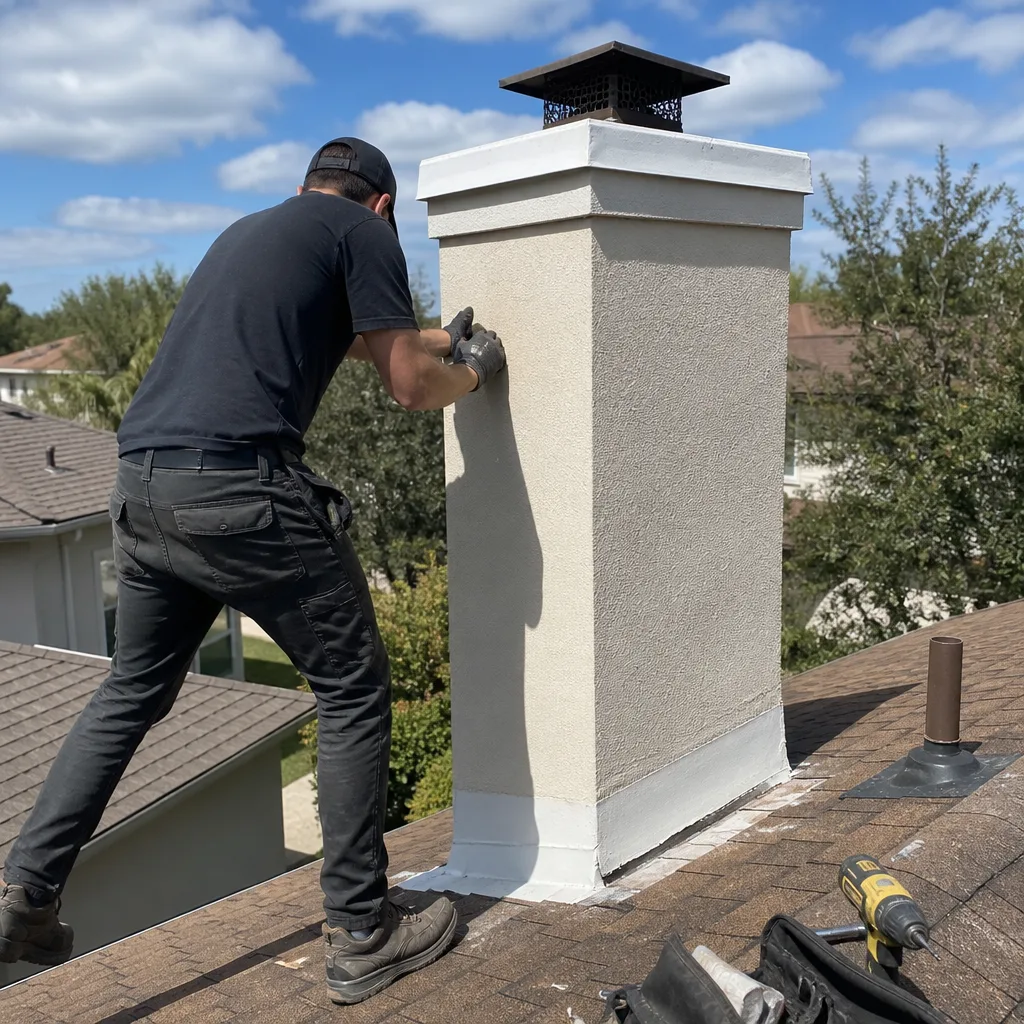 After
After