
Last updated October 15, 2026
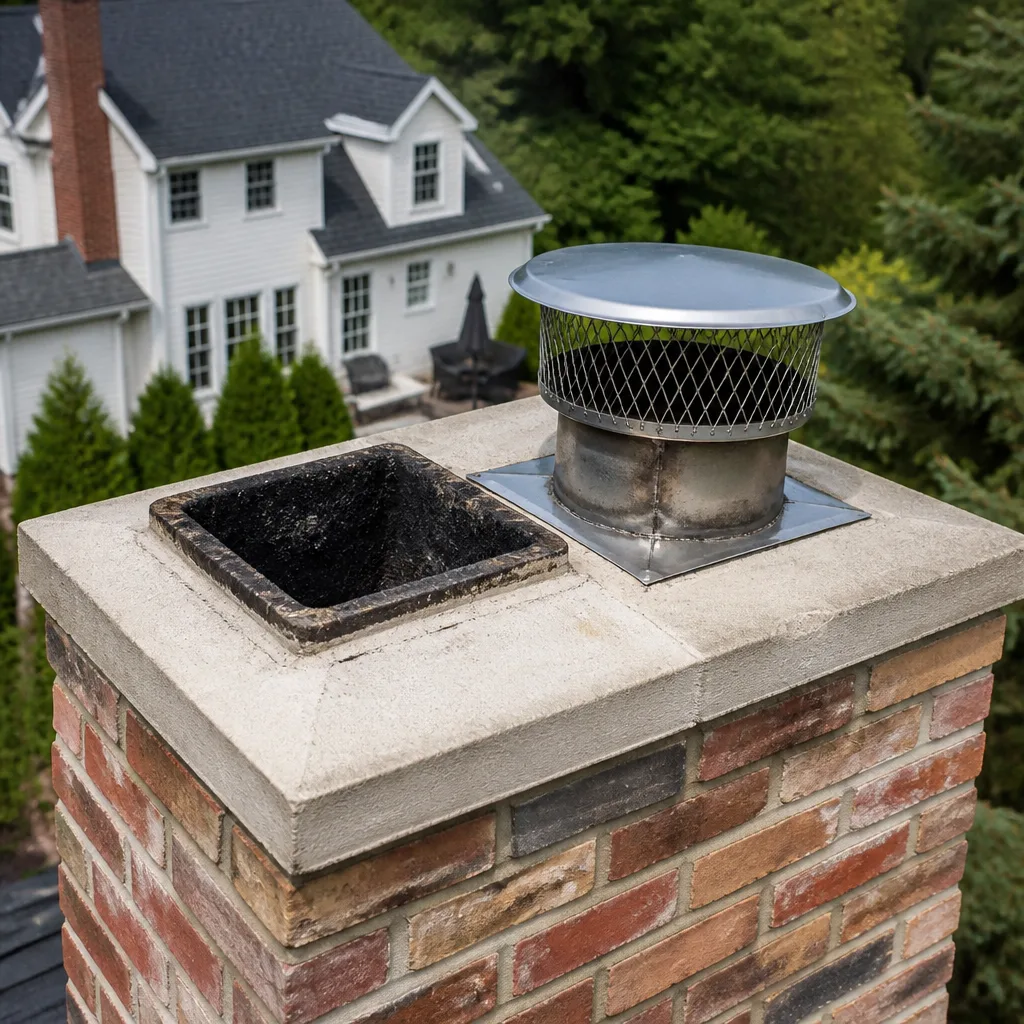 Sweep & inspection
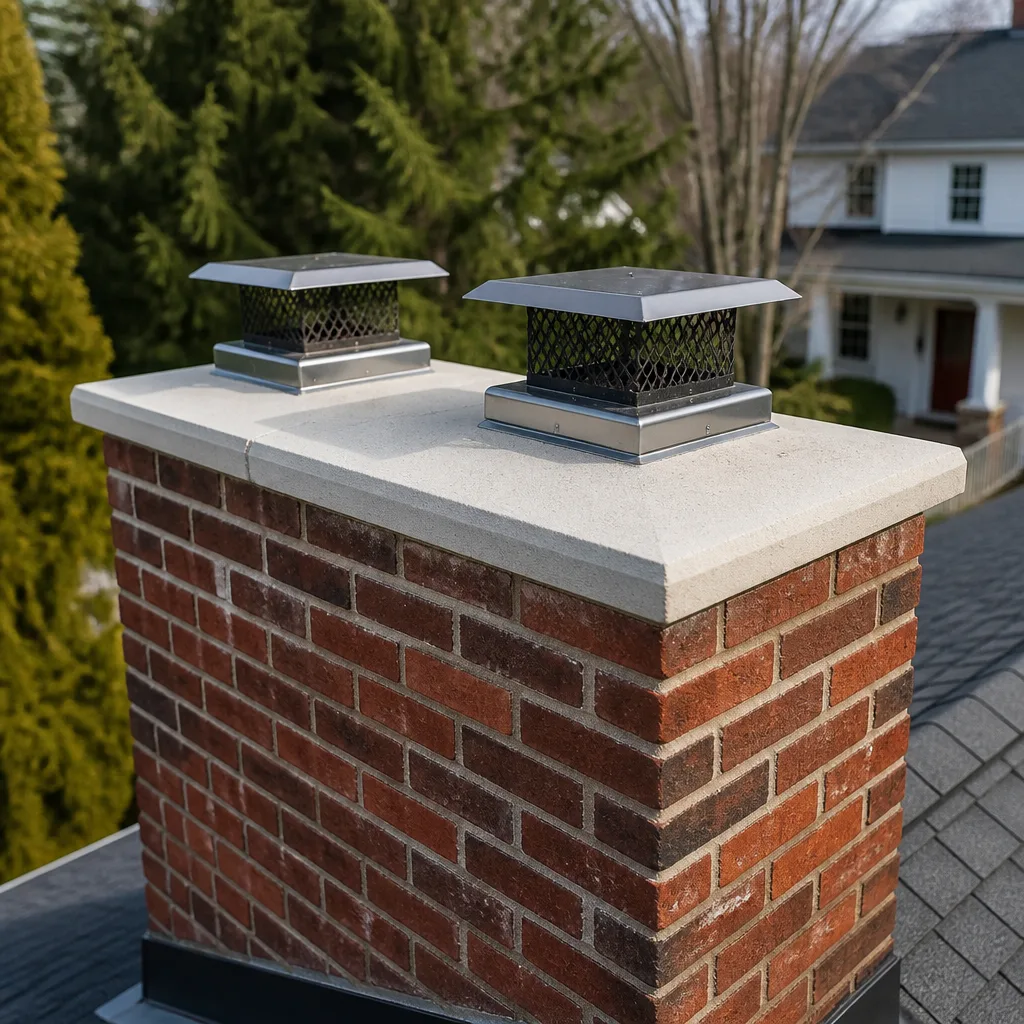 Caps & crowns
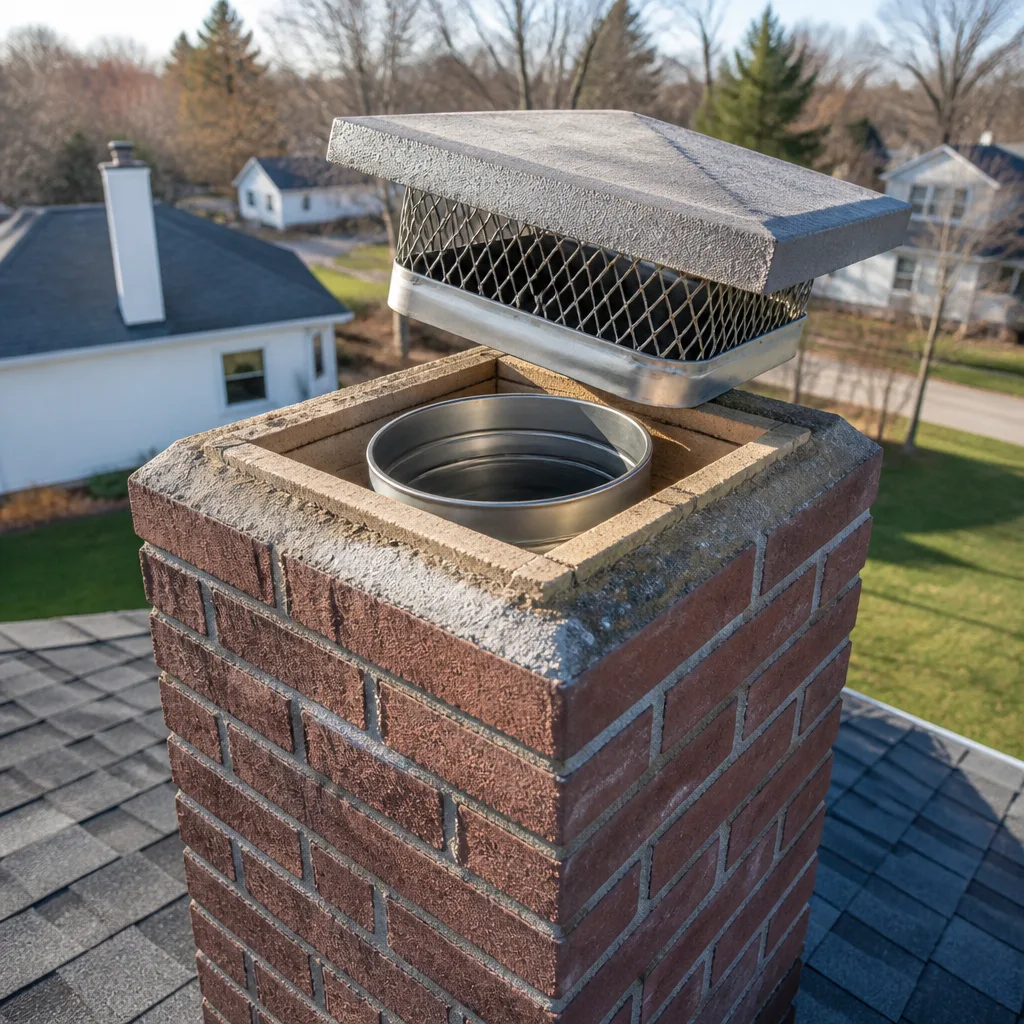 Flue relining
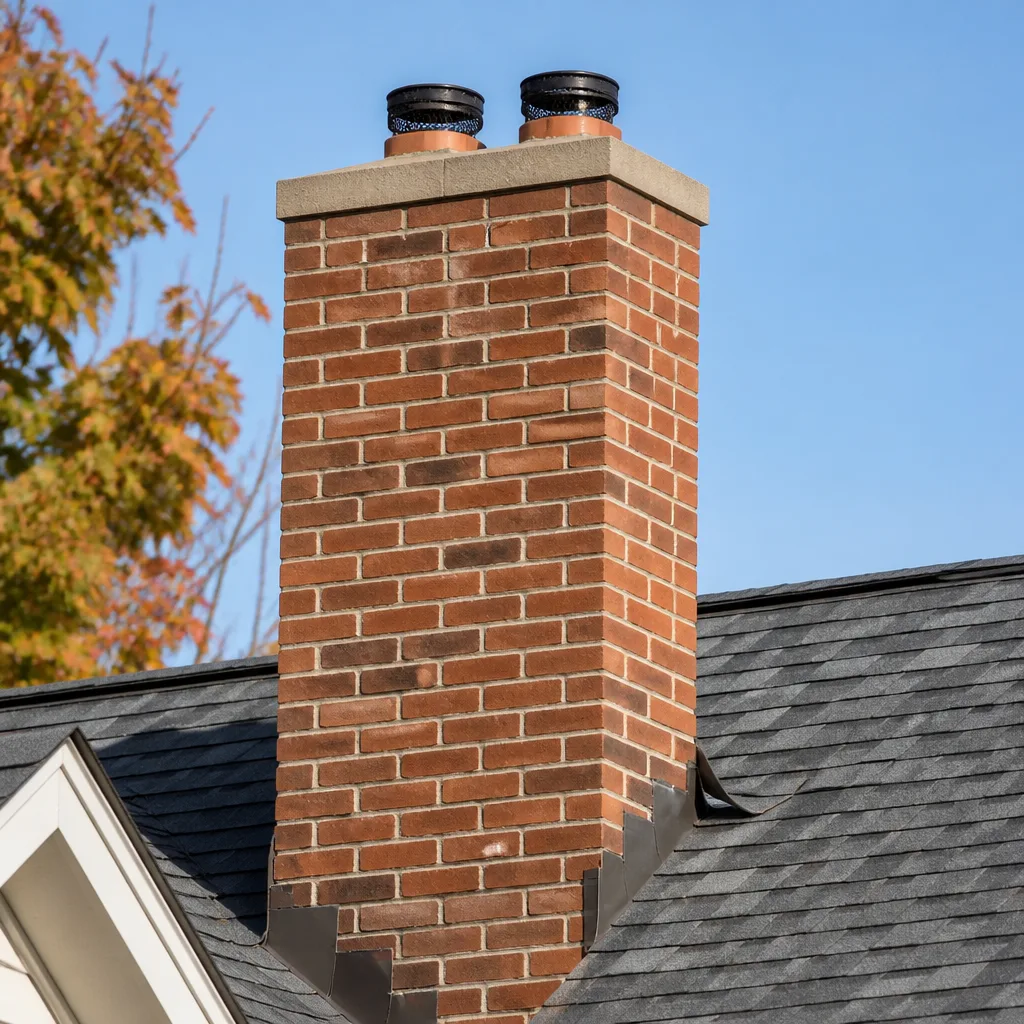 Masonry repair
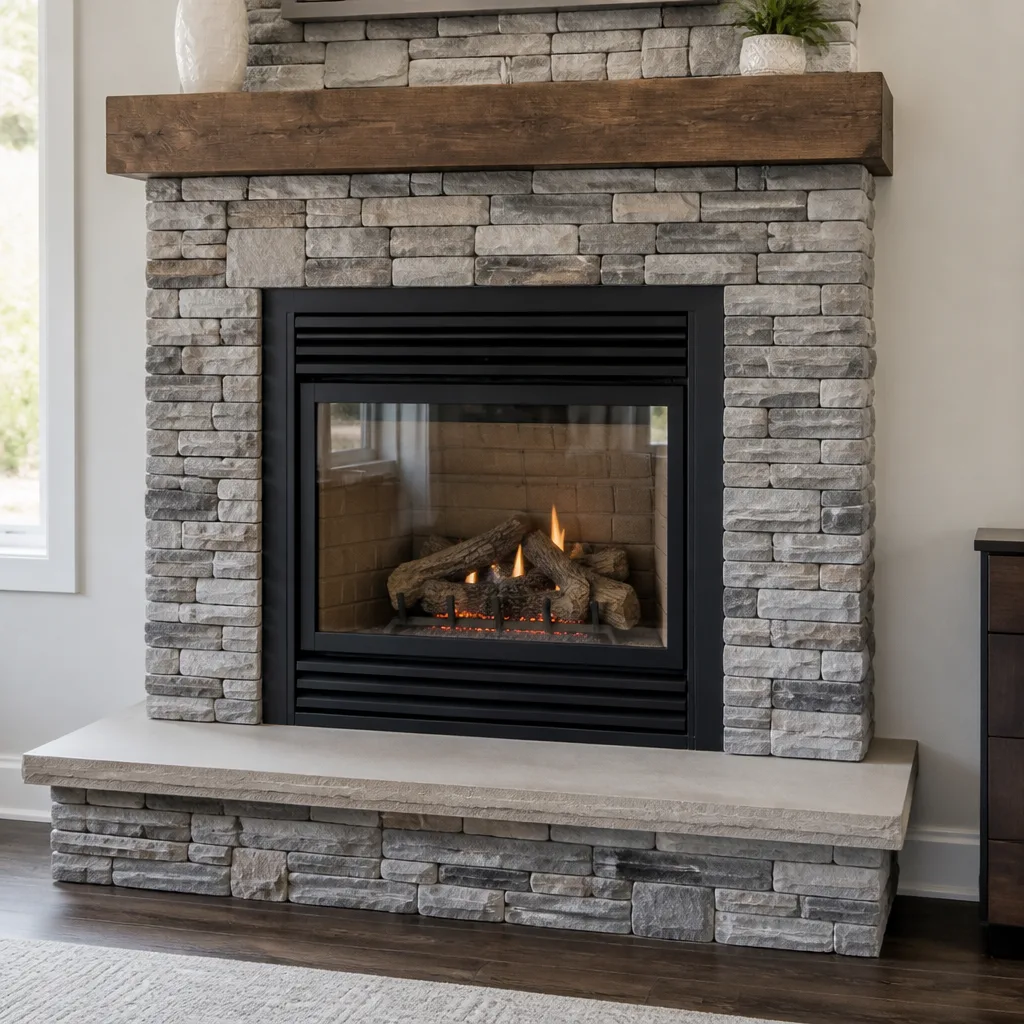 Gas fireplace service
Level 1 sweep and inspection to the NFPA 211 annual standard - flue, crown, cap, and flashing checked and photographed
Chimney sweep logs do not sweep chimneys. They loosen some creosote - which then falls where a brush and vacuum still have to collect it.
Chimney Cleaning Permits, Codes & Inspections in FL: What You Need to Know
A chimney liner replacement done without a Hillsborough County permit can legally block the sale of your Tampa home at closing, and many homeowners only discover this when the buyer’s inspector flags it years after the work was done. The truth is, Florida’s permitting rules draw a sharp line between routine chimney cleaning, which almost never requires a permit, and the repair work that often follows a cleaning, which frequently does. This guide-along with our The Complete Guide to Chimney Cleaning in Tampa-walks you through exactly where that line sits under the Florida Building Code, how Hillsborough County enforces it, and what to do if you inherited unpermitted chimney work from a previous owner.
Quick Answer
Routine chimney sweeping and Level 1 inspections in Florida require no permit, but structural repairs triggered by a cleaning, such as stainless steel liner relining, firebox masonry rebuilds, or chimney cap replacements that alter the flue, generally do require a Hillsborough County permit. The cost of pulling the right permit is small compared to the cost of trying to sell a Tampa home with unpermitted chimney work on record.
Styles & brands we work with
Table of Contents
- What the Florida Building Code Actually Says About Chimneys
- The Permit Line: Cleaning vs. Repair
- Hillsborough County Permit Requirements for Common Chimney Repairs
- How to Verify a Contractor Pulled the Correct Permit
- Level 2 Inspections and Florida Real Estate Disclosure
- What Happens When Unpermitted Chimney Work Is Discovered
- How to Remediate Unpermitted Work Before Listing a Tampa Home
- What Permits and Inspections Cost in Hillsborough County
What the Florida Building Code Actually Says About Chimneys
Florida runs on the Florida Building Code (FBC), which is updated every three years. Chimney work falls primarily under Chapter 10 (Chimneys and Fireplaces) of the Residential volume, with cross-references to Chapter 7 for fireblocking and Chapter 9 for fire protection. The FBC is not a suggestion. Municipalities in Florida are required to enforce it, and Hillsborough County does exactly that through its Development Services department.
Here’s what matters for a homeowner deciding whether to call for a sweep.
Section R1001 covers masonry chimneys. It regulates footing depth, wall thickness, flue liner requirements, and clearance to combustibles. Section R1003 covers factory-built chimneys, the kind you’ll find in many Tampa homes built after 1990. Section R1004 covers chimney caps and spark arrestors. Section R1005 covers venting of gas appliances through an existing chimney.
The key distinction in the code is between maintenance and repair. Maintenance, defined as work that keeps a system in its original, code-compliant condition, does not require a permit. Repair, defined as work that replaces or alters a component, may require one depending on scope. A standard chimney sweep falls squarely under maintenance. A liner replacement does not.
We’ve seen this distinction catch Tampa homeowners off guard more times than we can count. A homeowner books a sweep, the technician finds a cracked clay liner or a rusted-out cap-both Chimney Cleaning Warning Signs: A Tampa Homeowner’s Reference Guide-and the homeowner authorizes the repair on the spot without asking whether it needs a permit. Months later, the seller’s disclosure form asks about unpermitted work, and the homeowner realizes they never checked.
The Permit Line: Cleaning vs. Repair
Let’s draw the line precisely, because most chimney companies in Tampa will not volunteer this information. A permit in Hillsborough County is not required for any of the following, so long as the work is performed by a competent contractor and does not alter the physical structure of the chimney.
- Chimney sweeping – removing creosote and soot with brushes, rods, and HEPA-filter vacuums.
- Level 1 visual inspection – a basic check of accessible portions of the flue, firebox, damper, and exterior chimney.
- Creosote treatment – applying a chemical creosote modifier, such as a manganese catalyst, to loosen stage 2 creosote.
- Camera inspection – running a closed-circuit camera up the flue to document the liner’s condition. This is a diagnostic tool, not a repair.
- Minor damper adjustment – tightening a loose pivot rod or replacing a worn damper handle, provided the damper itself remains the same size and type.
A permit is required in Hillsborough County for these repairs, which are the three most common follow-ups to a cleaning.
- Stainless steel liner installation or replacement. When we reline a chimney in Tampa, whether with a DuraFlex or similar listed product, we are changing the flue’s cross-section and material. That alters the venting system’s performance characteristics. The FBC classifies this as a repair requiring a permit.
- Firebox masonry rebuild. Rebuilding the firebox floor or walls using firebrick and refractory mortar alters the combustion chamber. Hillsborough County requires a permit for this work because a firebox failure can allow flame to reach combustibles inside the wall cavity.
- Chimney cap replacement when the cap changes the flue’s draft characteristics. A like-for-like cap swap is maintenance. Replacing an uncapped flue with a custom multi-flue cap, or adding a draft-inducing cap, is a repair that requires a permit because it changes the venting system.
If you’re unsure whether your specific repair needs a permit, call Hillsborough County Development Services at their main line and describe the work. They would rather answer the question before the work than process a complaint after it.
Hillsborough County Permit Requirements for Common Chimney Repairs
Hillsborough County uses a unified permitting system through its online portal, known as HillsGovHub. Contractors can apply online, pay fees with a card, and schedule inspections through the portal. Homeowners can search for permits by address without creating an account. That searchability is what makes unpermitted chimney work so dangerous in a real estate transaction, because a buyer’s agent can run the search in under a minute.
Here is how Hillsborough County treats the three most common chimney repairs that follow a cleaning.
Liner Relining
Replacing a clay tile liner with a stainless steel liner, or installing a liner in a chimney that never had one, requires a mechanical permit. The permit application must include the manufacturer’s listing for the liner product, the liner’s diameter and length, and confirmation that the appliance served by the chimney is compatible with the new liner’s clearance requirements. Once the work is done, a county inspector verifies that the liner is properly sized, properly connected at the appliance hearth, and properly terminated at the top of the chimney.
Chimney Cap Replacement That Alters Draft
A standard replacement cap, same size and same type, requires no permit. But if the work involves adding a cap to a previously uncapped flue, increasing the cap’s net free area, or adding a draft-inducing or wind-resistant cap, the county considers this a repair affecting the venting system. The permit category is the same mechanical permit used for liner work, but the inspection focuses on cap clearance, spark arrestor mesh sizing, and net free area verification.
Firebox Masonry Repair
When more than 25% of the firebox’s surface area requires replacement of firebrick or refractory mortar, Hillsborough County treats it as a structural repair requiring a building permit. The inspector will check that the firebrick is laid with refractory mortar, that the firebox dimensions do not change, and that the joint between the firebox and the chimney’s smoke chamber is properly sealed. A repair that fails inspection here, in our experience, is usually one where the contractor used standard Type N mortar instead of refractory mortar, not realizing that standard mortar breaks down at 1,200 degrees Fahrenheit.
How to Verify a Contractor Pulled the Correct Permit
A contractor telling you they pulled a permit is not the same as a permit existing. We recommend verifying every permit claim before work begins. Here is the exact process, which takes about five minutes.
- Ask for the permit number before you sign anything. A legitimate contractor applying for a permit will have a number within one to two business days of applying. If the contractor says they will pull the permit “later” or “after you sign,” that is a red flag.
- Go to HillsGovHub and search by your address. The county’s online portal is public. Search your property address, pull up the permit history, and confirm that the permit number matches what the contractor gave you, that it is for the correct work type (mechanical or building, not just electrical), and that the status is “Issued” or “In Review” rather than “Pending Payment.” A permit that says “Pending Payment” has not been issued and does not authorize any work.
- Confirm the contractor’s name appears as the permit holder. In Florida, the contractor performing the work must be the one whose name and license number appear on the permit. If the permit is in your name as homeowner, that can work for some repairs, but it means you personally assume the code compliance risk and the inspection scheduling responsibility.
- Verify that the final inspection is scheduled and completed. A permit with no final inspection is, for practical purposes, not a completed permit. When we finish a permitted chimney repair in Tampa, we schedule the final inspection before we leave the job, because an unclosed permit will show up in a title search the same way an unpermitted repair will.
- Download a copy of the final inspection report. Keep this in your closing documents when the day comes to sell. It is the single most useful piece of paper a chimney owner can have.
This verification process is not about distrusting contractors. It is about recognizing that Florida’s real estate disclosure forms are unforgiving. A homeowner who cannot produce a final inspection for chimney work performed during their ownership may be required to disclose the work as unpermitted, which almost always means paying to have it re-inspected, re-permitted, or removed before closing.
Level 2 Inspections and Florida Real Estate Disclosure
A Level 2 chimney inspection, as defined by the National Fire Protection Association’s NFPA 211, is a more invasive examination that includes the accessible areas of the attic, crawlspace, and the exterior chimney surface, along with a camera inspection of the flue interior. Florida does not mandate a Level 2 inspection in any routine circumstance, but there are specific moments when it becomes effectively mandatory in a real estate transaction.
The first is when a property changes hands. Florida’s seller disclosure form, known as the Seller’s Property Disclosure, asks sellers to disclose any known defects in the home’s systems, including the fireplace and chimney. A seller who has never had the chimney inspected cannot honestly answer that question. A buyer who asks for a Level 2 inspection as part of the due diligence period, and has it performed, receives a written report that identifies specific defects, which then must either be remediated or priced into the sale.
The second moment is when a cleaning reveals a potential defect. A Level 1 inspection is visual only. If the sweep finds evidence of a damaged liner, a compromised firebox, or water intrusion at the crown, the correct next step is a Level 2 inspection with camera documentation. In Tampa, where summer humidity and afternoon thunderstorms work on chimney crowns year-round, water intrusion is the most common finding that triggers a Level 2 follow-up.
Here is the piece most homeowners miss. A Level 2 inspection report that documents a defect, such as a cracked flue tile or a rusted-out damper assembly, creates a duty to disclose that defect if the homeowner later sells the home. You cannot un-know what the camera saw. That is why we are careful to explain to every Tampa customer what we are documenting and why, before we run the camera up the flue. The Chimney Inspection in Tampa page on our site walks through what each inspection level includes if you want the full breakdown.
What Happens When Unpermitted Chimney Work Is Discovered
Unpermitted chimney work is most often discovered in one of three ways. A buyer’s home inspector flags visible evidence, such as a new-looking stainless steel cap on a chimney that has no permit on record. A title search reveals an open or missing permit from a previous repair. Or, in the worst case, a chimney fire or carbon monoxide incident brings a county inspector to the property, and the inspector asks who did the liner work.
The liability picture in Florida is specific and worth understanding before you decide to let a contractor skip a permit.
- Seller disclosure liability. Florida courts have consistently held that a seller who knows of unpermitted work and fails to disclose it can be sued for damages after closing, potentially including the buyer’s full cost to remediate the work plus attorney’s fees.
- Insurance complications. A homeowner’s insurance policy typically excludes damage caused by work that was performed without legally required permits. If an unpermitted firebox repair fails and causes a fire, the insurer may deny the entire claim, not just the portion related to the repair.
- Code enforcement exposure. Hillsborough County can issue a code enforcement citation if unpermitted chimney work is discovered during a complaint-driven inspection. The citation carries a fine, and the work must be brought into compliance, which often means opening the wall to expose the work for inspection.
- Sale obstruction. A buyer’s lender can refuse to fund the mortgage if unpermitted structural work is discovered during the appraisal or inspection contingency. The sale stalls, and the seller either remediates or walks away from the deal.
We have been called by Tampa homeowners who inherited unpermitted chimney work from a flipper or a previous owner, and the conversation is never pleasant. The work that saved a few hundred dollars in permit fees at the time ends up costing thousands to remediate years later.
How to Remediate Unpermitted Work Before Listing a Tampa Home
If you know or suspect your Tampa home has unpermitted chimney work, the path to compliance runs through Hillsborough County’s after-the-fact permit process. Here is how it works, step by step.
- Stop using the fireplace. Until the work is inspected and approved, the safest assumption is that it is not code-compliant. You do not want to add a chimney fire to the list of problems.
- Hire a contractor who is licensed to perform the work type in question. For masonry firebox work, that means a licensed masonry contractor or a chimney contractor with the appropriate license class. For liner work, that means a mechanical contractor. Ask for the license number and verify it on the Florida Department of Business and Professional Regulation website.
- Apply for an after-the-fact permit through HillsGovHub. The county processes after-the-fact permits the same as standard permits, with the understanding that the work has already been performed. What changes is that the contractor may be required to expose portions of the work for inspection, which is why the next step matters.
- Schedule the inspection and be present for it. The inspector will verify that the work meets current code, not the code from when the work was originally done. That distinction catches people. If the original liner was installed in 2009 under a less strict code provision, and the current code requires a different clearance, the inspector can require an upgrade.
- Close the permit and keep the paperwork. Once the final inspection passes, the permit status changes to “Closed” in the county portal. Download the final inspection report and add it to your closing folder.
The after-the-fact process is not punitive in Hillsborough County. The county’s interest is in getting the home’s systems into a documented, code-compliant condition, not in punishing homeowners who inherited problems. But the process does require honesty, because you are essentially asking the county to bless work that was done without its permission. A contractor who tries to hide the fact that the work is already complete risks having the permit application rejected.
What Permits and Inspections Cost in Hillsborough County
Permit fees in Hillsborough County are calculated on a sliding scale based on the valuation of the work, with a minimum fee applied to small jobs. A typical mechanical permit for a stainless steel chimney liner replacement runs between $60 and $120 in permit fees, plus a similar amount for the inspection. A building permit for firebox masonry repair typically starts around $75 and scales up with the project valuation.
The real cost of a permit is not the fee. It is the time it takes for the contractor to apply, wait for the permit to clear, schedule the inspection, and be present for it. That process adds a day or two to a typical chimney repair timeline. A contractor who quotes a suspiciously low price for liner work may simply be omitting the permit from their scope of work, which saves them time and transfers the long-term risk entirely to you.
For a standard chimney sweep in Tampa, which requires no permit, most homeowners pay between $150 and $275 depending on the chimney’s condition and whether a camera inspection is included. When we provide a written price before work begins, it includes the full scope of the sweep, the inspection level, and any documentation we will provide afterward. That is the Chimney Sweep in Tampa service, and the price you are quoted is the price you pay.
Common Mistakes to Avoid
- Assuming a cleaning “covers” inspection of the liner’s condition. A standard sweep removes creosote but does not document liner cracks, firebox damage, or crown erosion. That requires a camera inspection, which is a separate step and should be part of the written scope.
- Letting a contractor replace a liner without pulling a permit because “it’s just a pipe.” In Hillsborough County, a liner is a component of the venting system, and its replacement alters the system’s performance. The permit is mandatory, and the paper trail is what protects you at resale.
- Paying cash for chimney work without a receipt or documentation. A paper trail is your only proof that the work was performed and by whom. If the contractor gives you a verbal quote and a handshake, you have no evidence for a future seller’s disclosure.
- Trusting a home inspector to evaluate a chimney’s interior without a camera. A general home inspection does not include a Level 2 camera evaluation of the flue interior. The inspector can note visible conditions but cannot see inside the liner.
- Forgetting that the chimney is part of the home’s mechanical systems, not just an aesthetic feature. Chimneys vent combustion gases. A defect that seems cosmetic, such as a cracked crown, can allow water into the liner and create a carbon monoxide risk over time.
- Waiting to fix a known chimney defect until just before listing. The after-the-fact permit process takes time, and a rushed inspection invited by a pending closing date is a stressful way to solve a problem that was fixable six months earlier.
- Using an unlicensed contractor because the price is lower. In Florida, chimney repair work that requires a permit must be performed by a licensed contractor. An unlicensed contractor cannot pull the permit, which means the work will be unpermitted by definition.
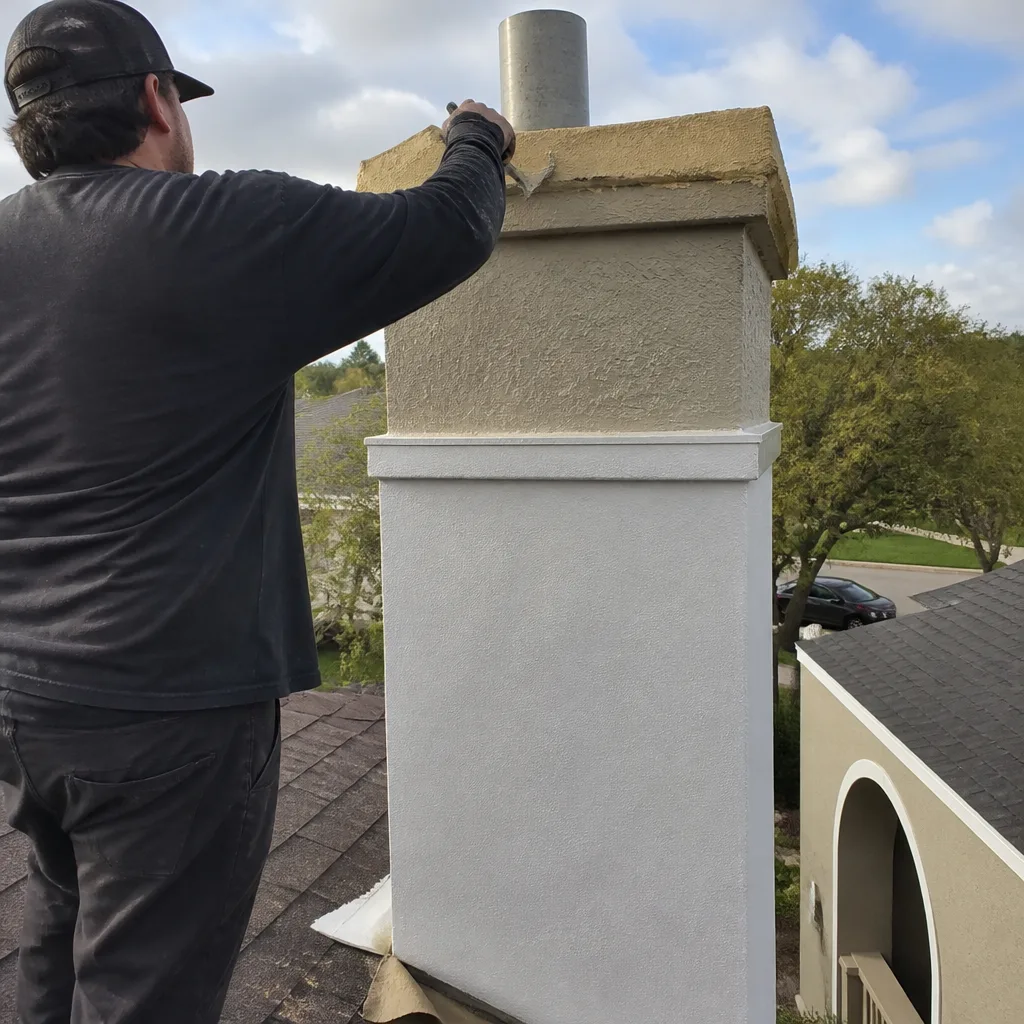
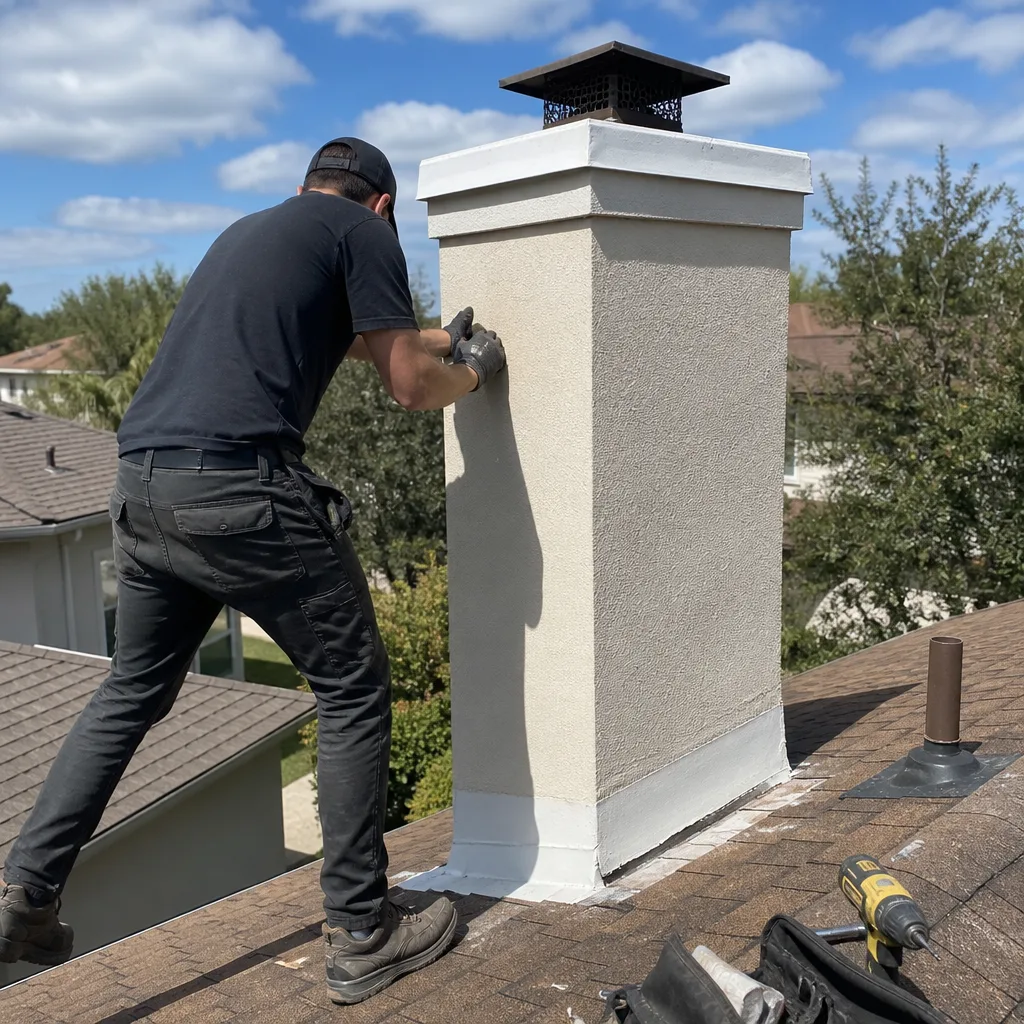
See the difference
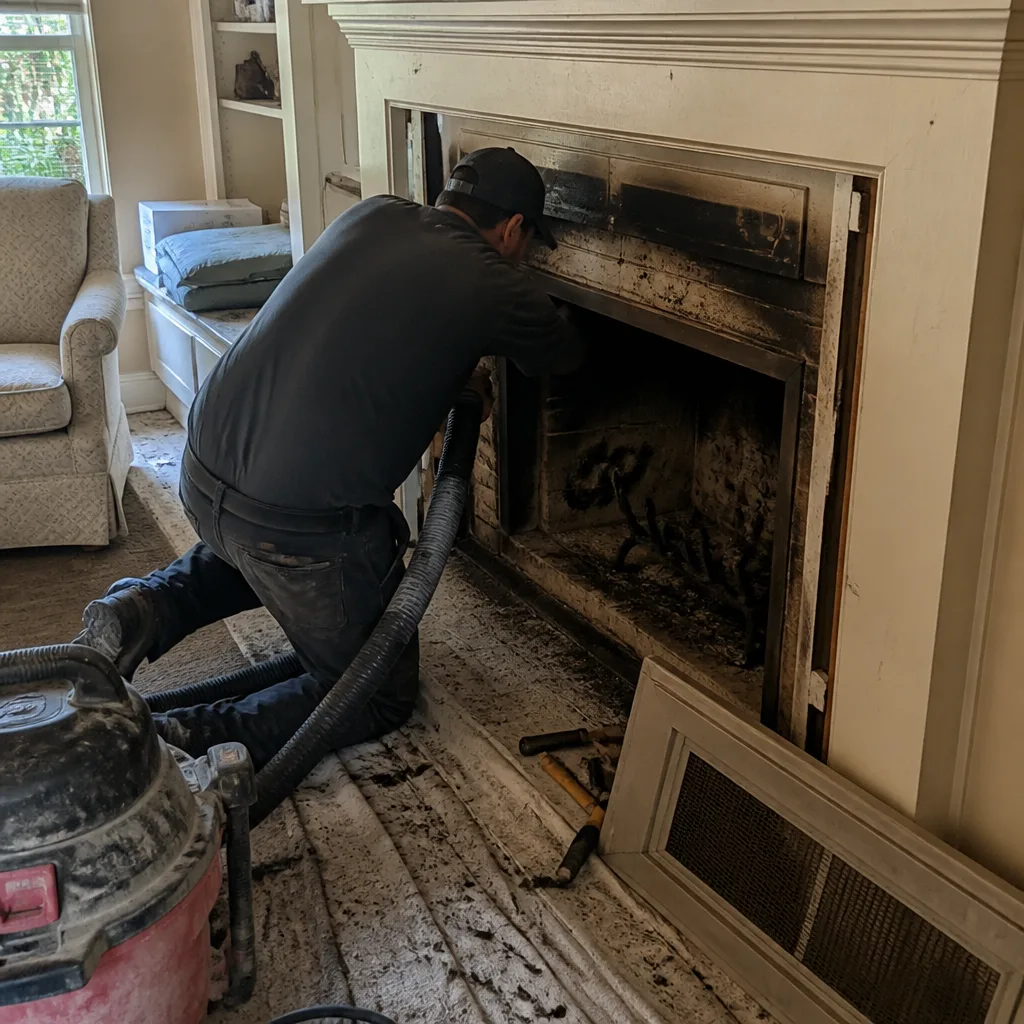 Before
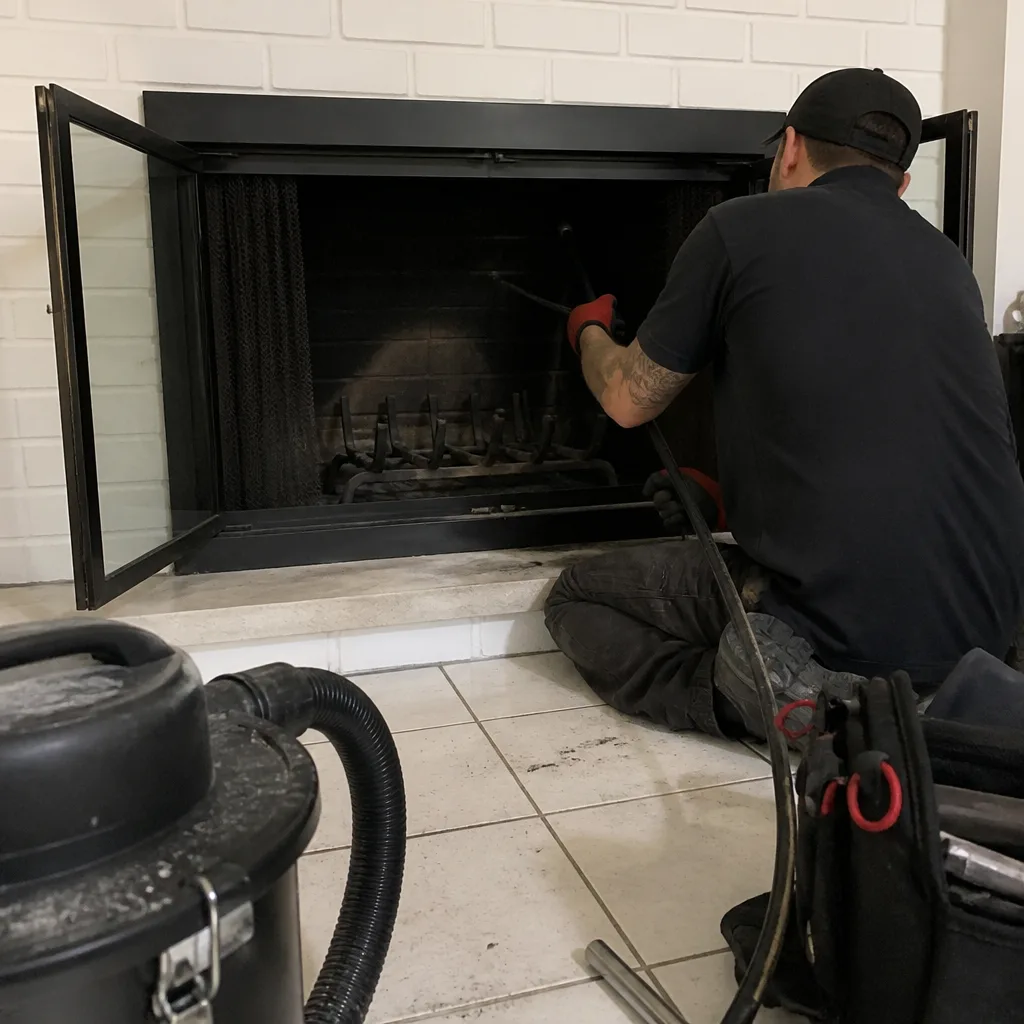 After
After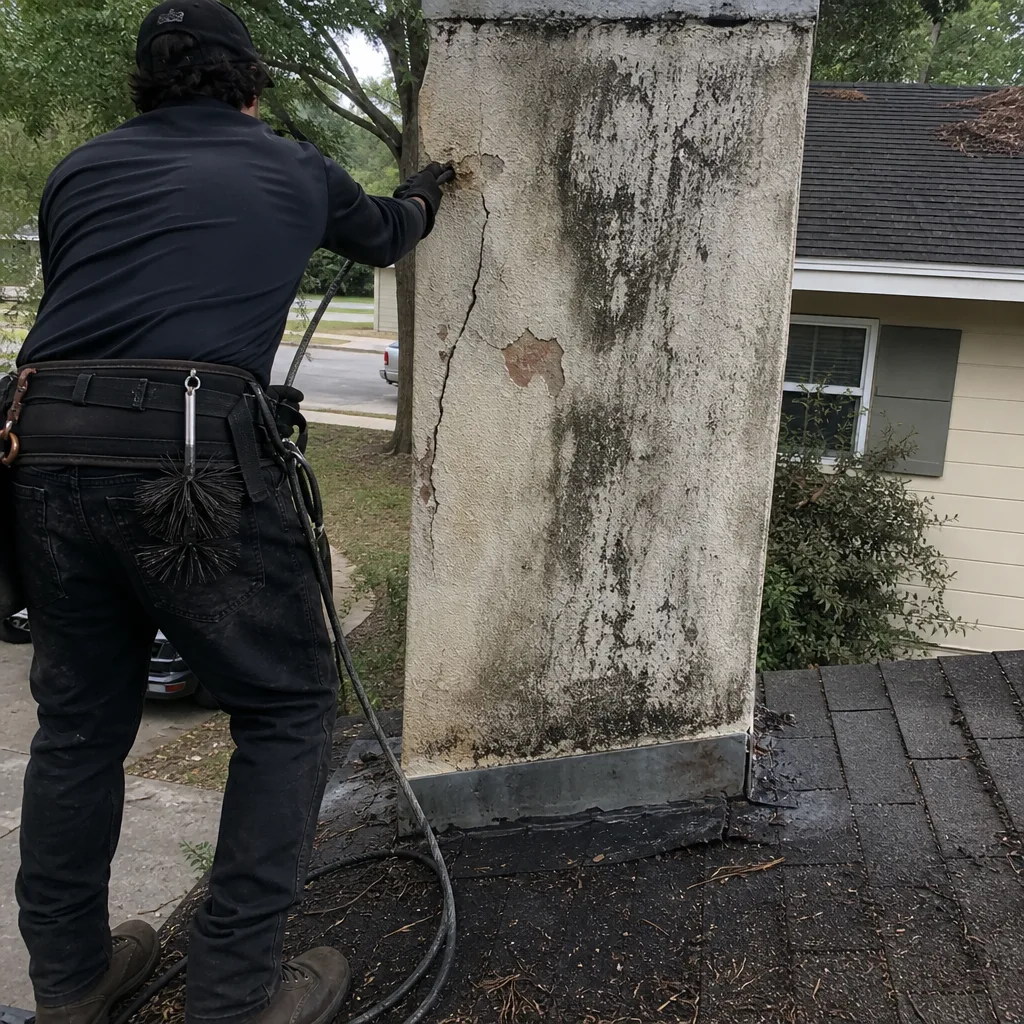 Before
 After
After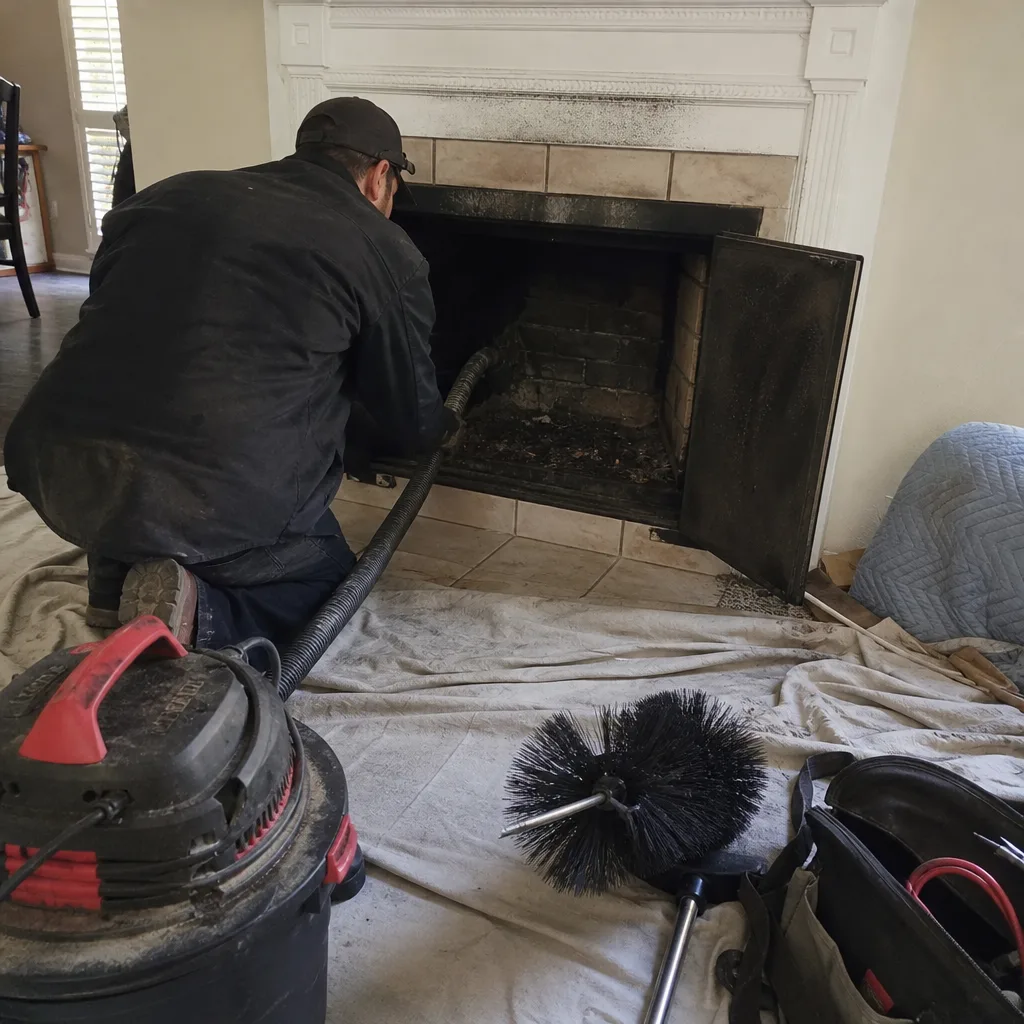 Before
 After
AfterWhen to Call a Professional
If your chimney has not been swept in more than two years, schedule a sweep and Level 1 inspection now, before the next burning season. If a previous owner mentioned any chimney work that you cannot document with a permit or receipt, call a professional to evaluate the current condition and advise you on whether remediation is needed. If you are preparing to list a Tampa home and you are unsure about the chimney’s permit status, do not wait for the buyer’s inspector to find it first. Kindling Chimney Tampa offers free estimates in Tampa, and we will tell you honestly whether the work you need requires a permit; for more guides & resources, visit our blog. Call (850) 290-0897.
Frequently Asked Questions
No, routine chimney sweeping requires no permit in Florida or Hillsborough County, because it is classified as maintenance rather than repair and does not alter the chimney’s structure or venting performance.
Stainless steel liner installation or replacement, firebox masonry rebuilds exceeding 25% of the firebox surface area, and chimney cap replacements that alter the flue’s draft characteristics all require either a mechanical or building permit in Hillsborough County.
Search your address on HillsGovHub, the county’s online permitting portal, and review the permit history for any chimney-related work. If work was performed that does not appear in the portal, it is unpermitted until proven otherwise.
Yes, a buyer’s lender can refuse to fund a mortgage if unpermitted structural work is discovered during the inspection or appraisal process, and Florida seller disclosure law requires you to disclose known unpermitted work, which can create liability after closing if you do not.
A Level 1 inspection is a visual check of accessible chimney portions with no camera, while a Level 2 inspection includes a camera scan of the flue interior, the accessible attic and crawlspace areas, and the exterior chimney surface, and is typically required during a real estate transaction or after a system change.
For homes that burn wood regularly during Tampa’s short winter season, an annual sweep before the first fire of the season is the standard recommendation, with a camera inspection included every other year to document liner condition over time.
The Bottom Line
Chimney cleaning in Florida requires no permit, but the repairs that frequently follow a cleaning often do, and the difference between the two is not something you want to learn about during a title search. Hillsborough County’s permit requirements for liner relining, firebox rebuilds, and cap replacement exist to protect the home’s structural safety and the family living around the fireplace. Verifying a permit takes five minutes on HillsGovHub, and the paper trail you create today is the same paper trail that will protect your home’s value when you sell. For a written price before any work begins, and a straight answer about whether your specific repair needs a permit, call Kindling Chimney Tampa at (850) 290-0897. Our Fireplace Repair in Tampa team handles permitted liner and masonry work, and the Kindling Chimney Tampa home page has our full care promise in writing.
Written by Danny Cortes, Owner at Kindling Chimney Tampa, serving Tampa since 2003.