
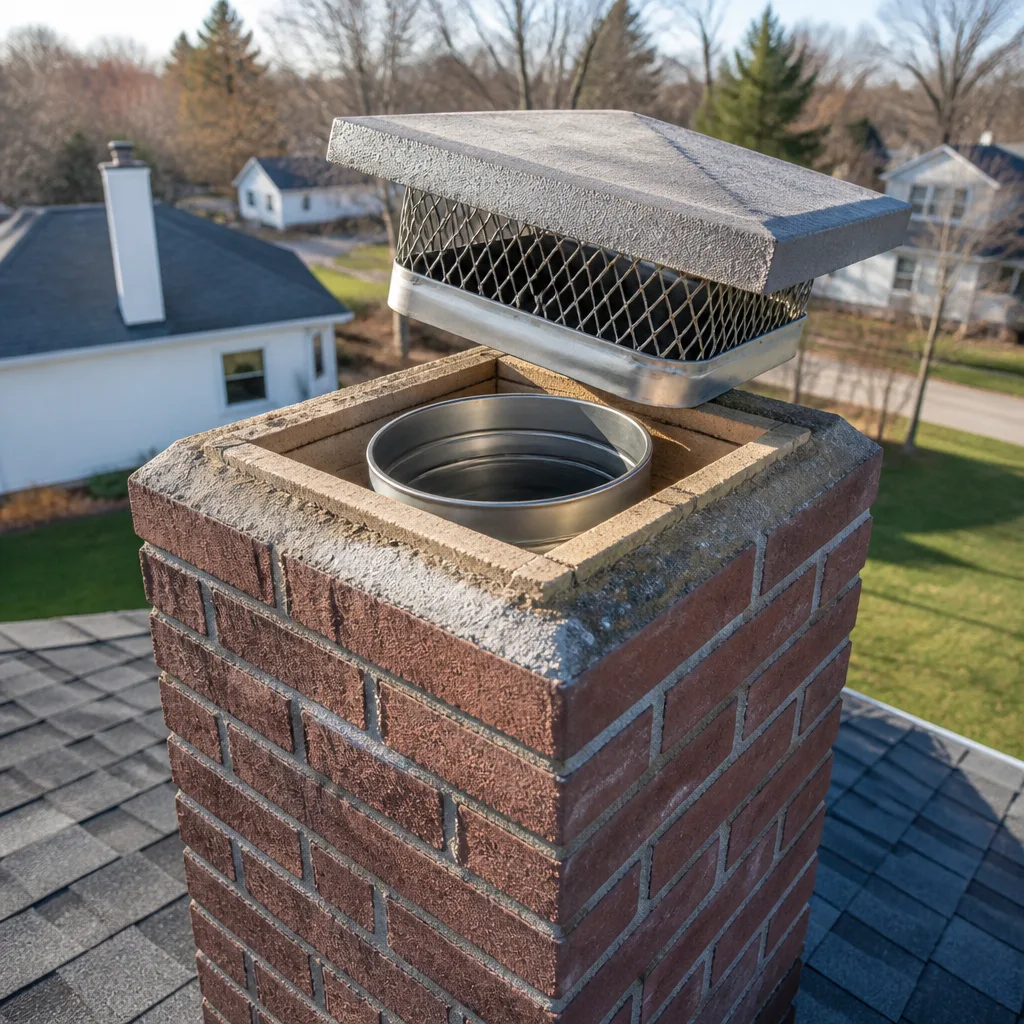
 Flue relining
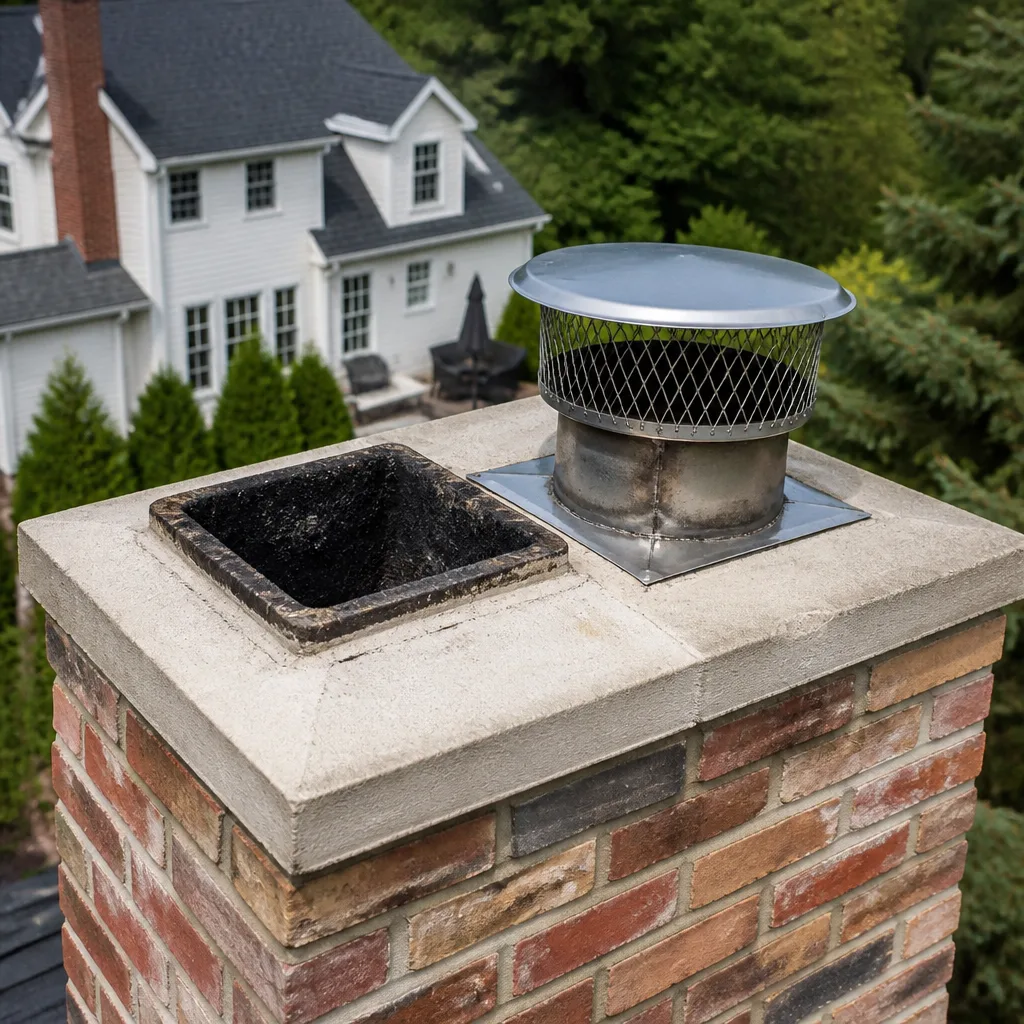 Sweep & inspection
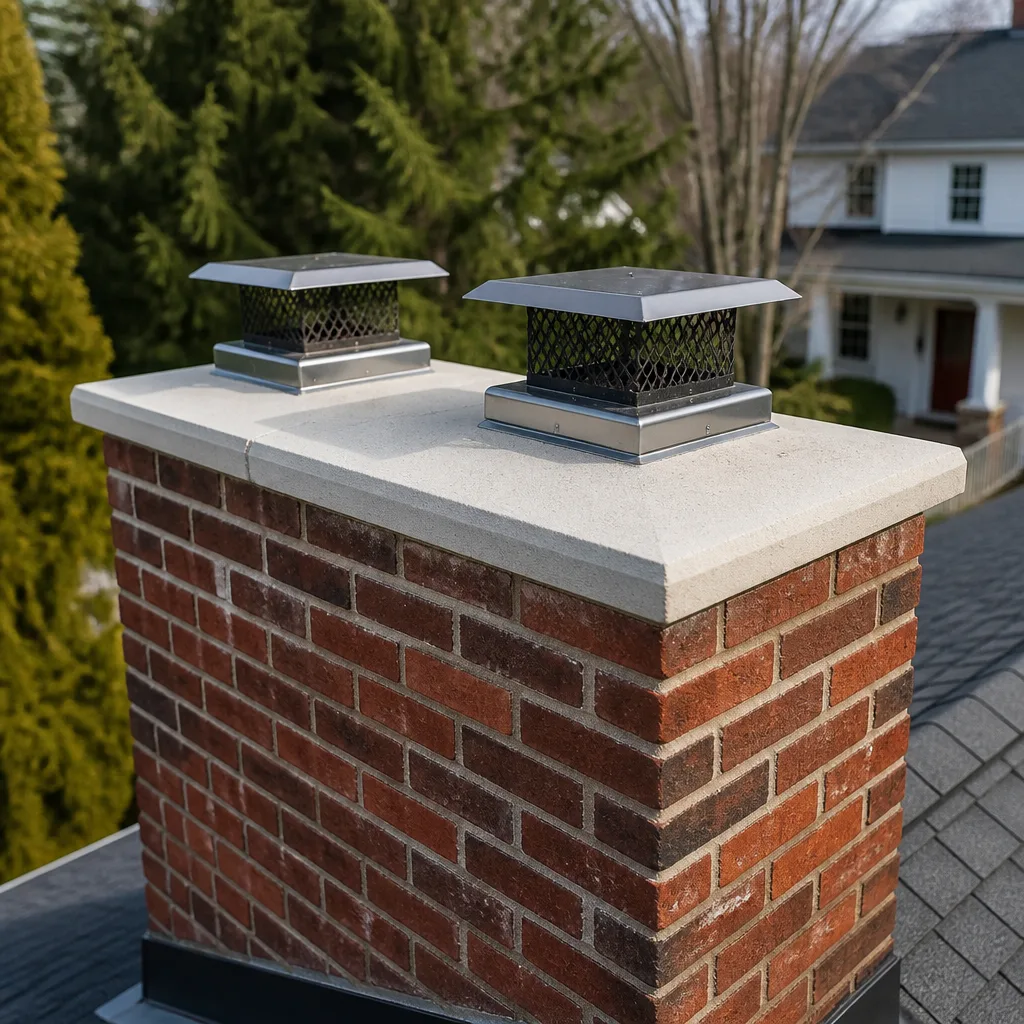 Caps & crowns
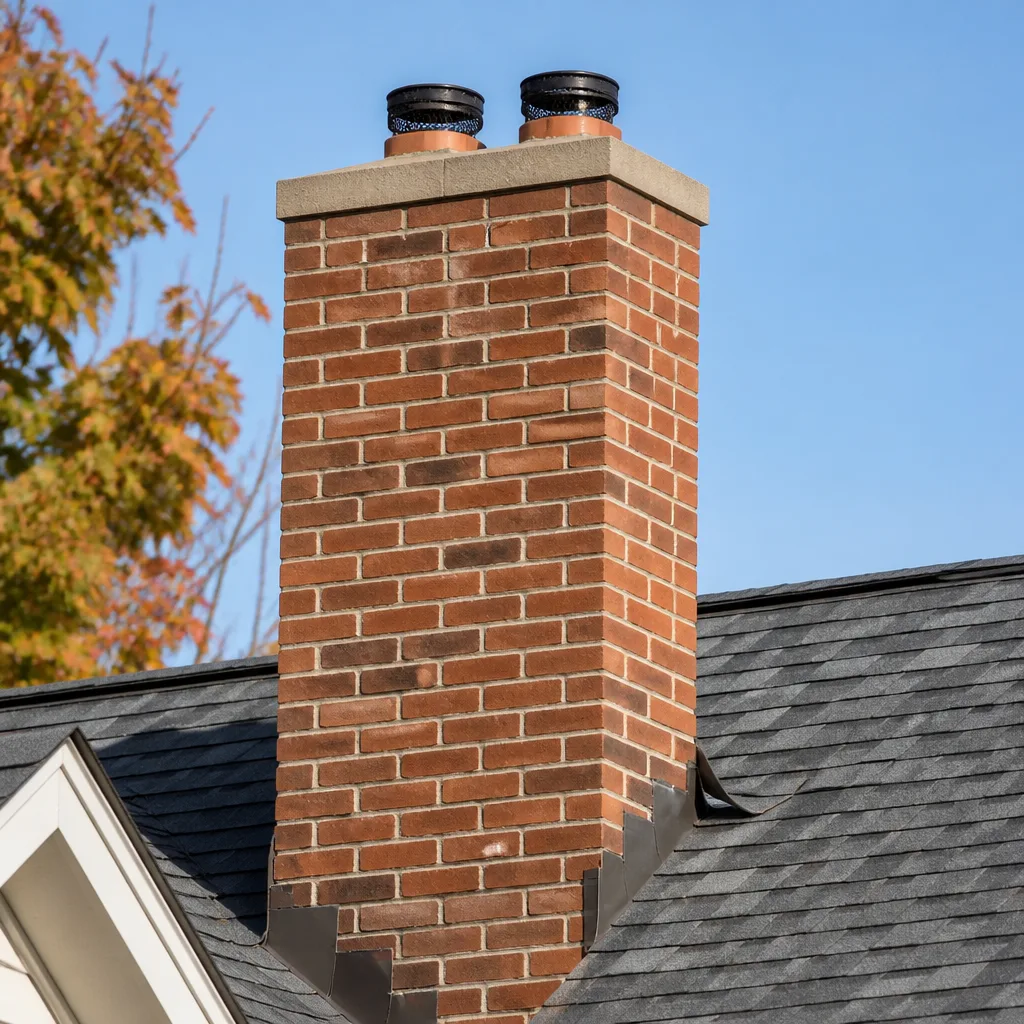 Masonry repair
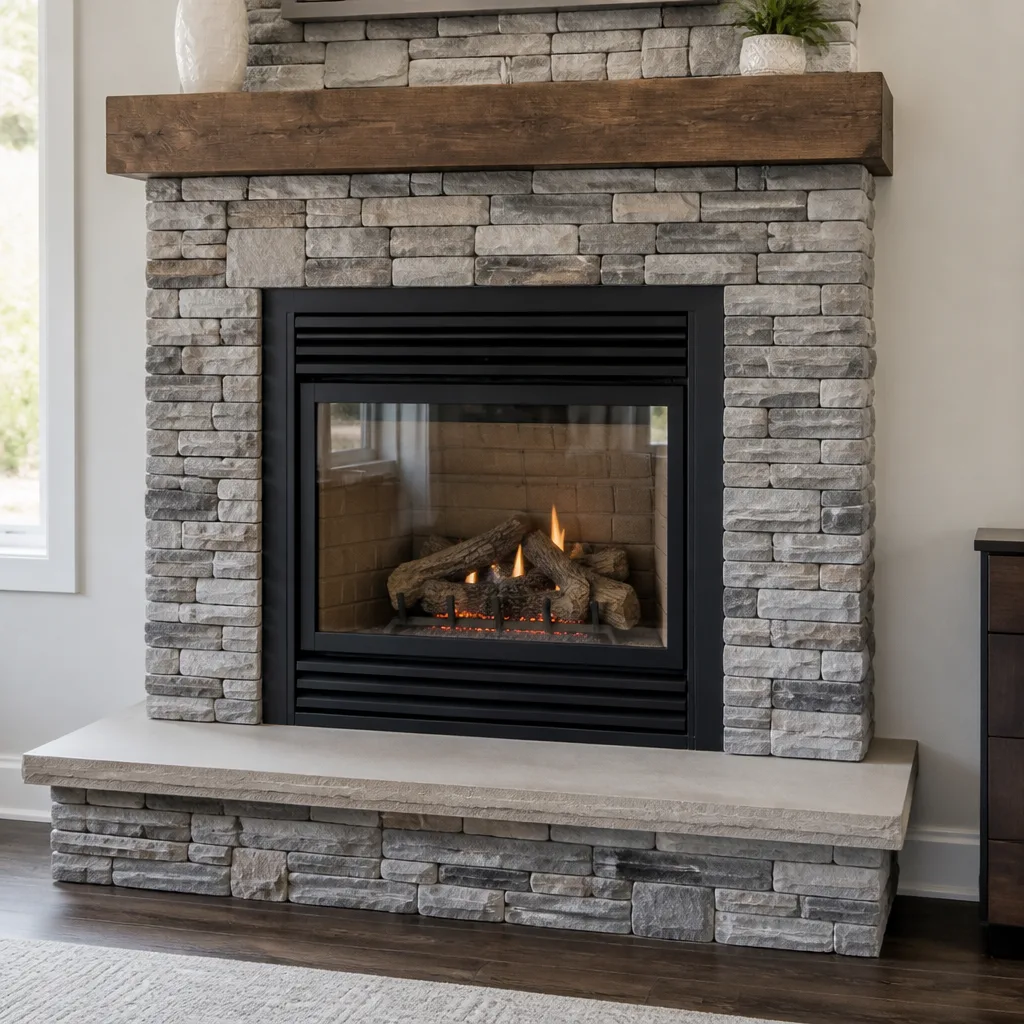 Gas fireplace service
Level 1 sweep and inspection to the NFPA 211 annual standard - flue, crown, cap, and flashing checked and photographed
Chimney sweep logs do not sweep chimneys. They loosen some creosote - which then falls where a brush and vacuum still have to collect it.
HeatShield Flue Liner Replacement: The Tampa Owner’s Guide
HeatShield flue liner replacement in Tampa typically runs between $2,800 and $5,600 installed, depending on the liner length, flue dimensions, and whether we’re repairing joints with HeatShield’s cerfractory sealant product or resleeving the entire flue. Most Tampa homeowners discover they need this work during a routine chimney inspection, often after years of believing their fireplace was fine because it “still drew okay.” The truth is that flue liners fail from the inside out, and by the time you see flakes in the firebox or smell something faintly acidic in the living room, the liner has already been compromised for a while. We stock HeatShield cerfractory flue sealant and related components on our trucks, so when Danny Cortes or one of our technicians opens up the flue and finds the problem, we can often give you a written price the same day.
Here’s what matters: HeatShield is not a single product. It’s a system with different application grades, and matching the right one to your chimney’s condition is the difference between a repair that lasts twenty years and one that fails in three. That matching work is exactly what we do before we quote anything. A camera inspection goes up the flue first, every time, so you see what we see before a dollar is discussed.
Which HeatShield Models This Applies To
HeatShield is a cerfractory flue sealant system, not a rigid liner product like the stainless steel options from DuraFlex or Gelco. It is applied as a foam-like material that expands to fill cracks, gaps, and deteriorated mortar joints inside an existing clay tile liner, then cures into a hard, heat-resistant surface. HeatShield offers three application grades: HeatShield Joint Repair for isolated cracks between clay tiles, HeatShield Resurfacing for widespread spalling and minor flue deterioration, and HeatShield CeCure for flues with significant damage that need structural reinforcement beyond a surface coating. The third is what most people in Tampa end up needing after years of humidity and salt air take their toll on older clay liners.
The compatibility gotcha most homeowners don’t know: HeatShield is not rated for use in a flue that services a wood stove or insert unless the manufacturer’s install manual expressly permits it. If you have a wood-burning insert piped through an old masonry chimney, we need to verify the appliance listing first. We’re an independent service provider, not affiliated with HeatShield, which means we’ll tell you plainly when HeatShield is the right product and when a stainless liner from DuraFlex or Gelco would serve you better. A ceramic-coated flue is only as good as the clay structure underneath it.
Another checkable specific: HeatShield material is rated for continuous operating temperatures up to 2100°F and intermittent spikes to 2800°F. That’s verified on the product data sheet. Why that matters in Tampa is that our chimneys see more moisture-driven deterioration than heat-driven deterioration. Salt air, high humidity, and frequent rain cycles mean the mortar between your clay tiles breaks down faster than in dryer climates. By the time the HeatShield goes in, the underlying flue often has multiple joint failures. The sealant buys you real time, but it doesn’t undo structural damage.
Styles & brands we work with
Signs Your HeatShield Flue Liner Replacement Is Failing
If a previous HeatShield application is starting to fail, or if you suspect your original clay liner has deteriorated to the point that a HeatShield treatment would be a band-aid rather than a fix, here’s what we routinely see in Tampa homes:
- Flakes or sandy debris in the firebox – Pieces of cerfractory material breaking away from the flue wall. This means the bond between the HeatShield coating and the clay tile underneath has failed, usually due to moisture intrusion or improper original surface prep. Vacuuming it up and ignoring it is not a fix; the flue is actively shedding material.
- A faint, sharp smell after rain – Humidity carries flue residue downward into the living space. If you notice an acrid or smoky odor in the room after a heavy Tampa downpour, the liner is no longer sealing the chimney’s interior surface. This gets worse over time, not better.
- White staining on the exterior brick, especially near the roofline – Efflorescence, not a liner failure in itself, but a signal that water is moving through the chimney structure. Where water goes, liner joint failure follows in Florida’s humidity cycles. We check this during every inspection because it predicts liner problems before the camera does.
- Visible cracking in the clay tile at the flue top – Stand in the yard with binoculars, or let us put a camera up there. If the top two or three clay tiles show vertical cracks, the HeatShield application lower in the flue is almost certainly compromised as well. Flue damage rarely stays localized at the top; that’s just the part you can see from the ground.
- The fireplace draws differently than it did last season – A failing liner changes the flue’s internal dimensions and turbulence. Smoke that used to go up cleanly now hesitates at the throat or spills into the room on windy days. Draft changes are never random; something inside the flue changed.
See the difference
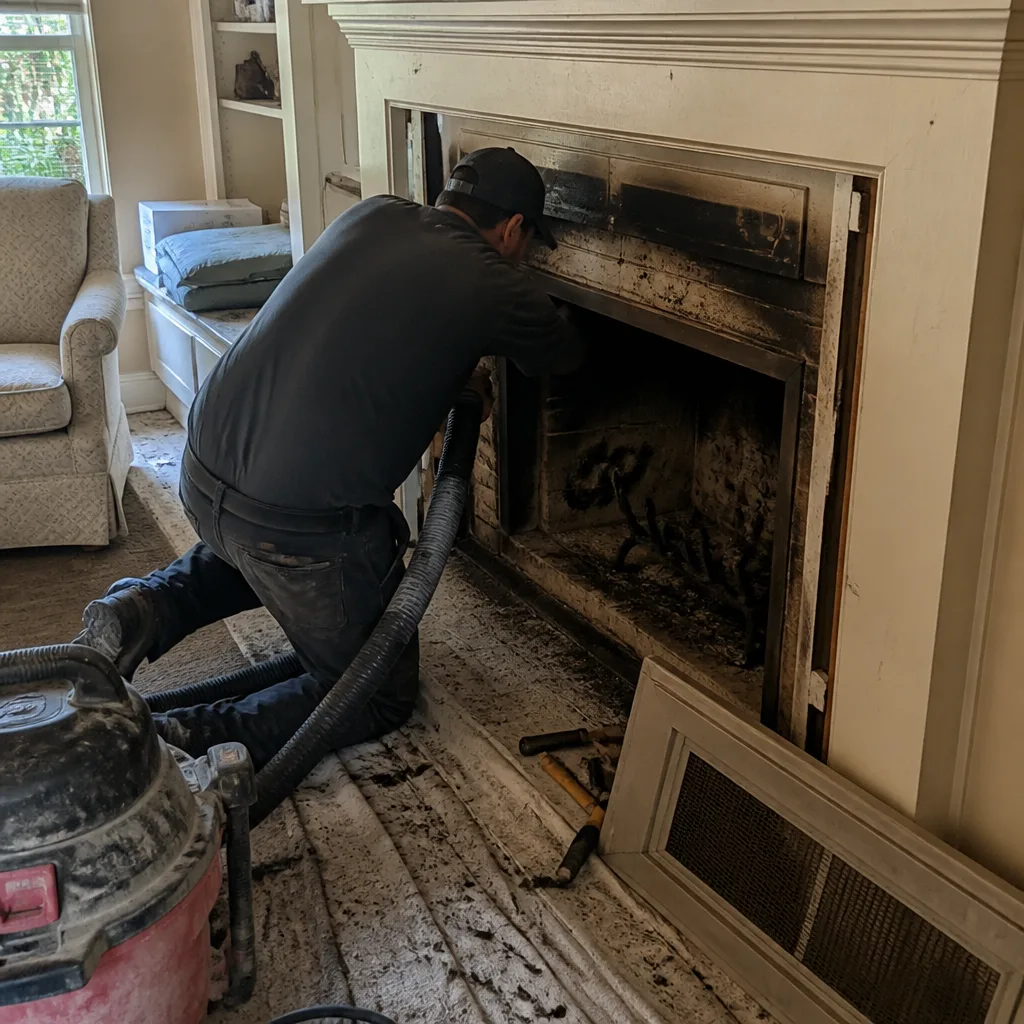 Before
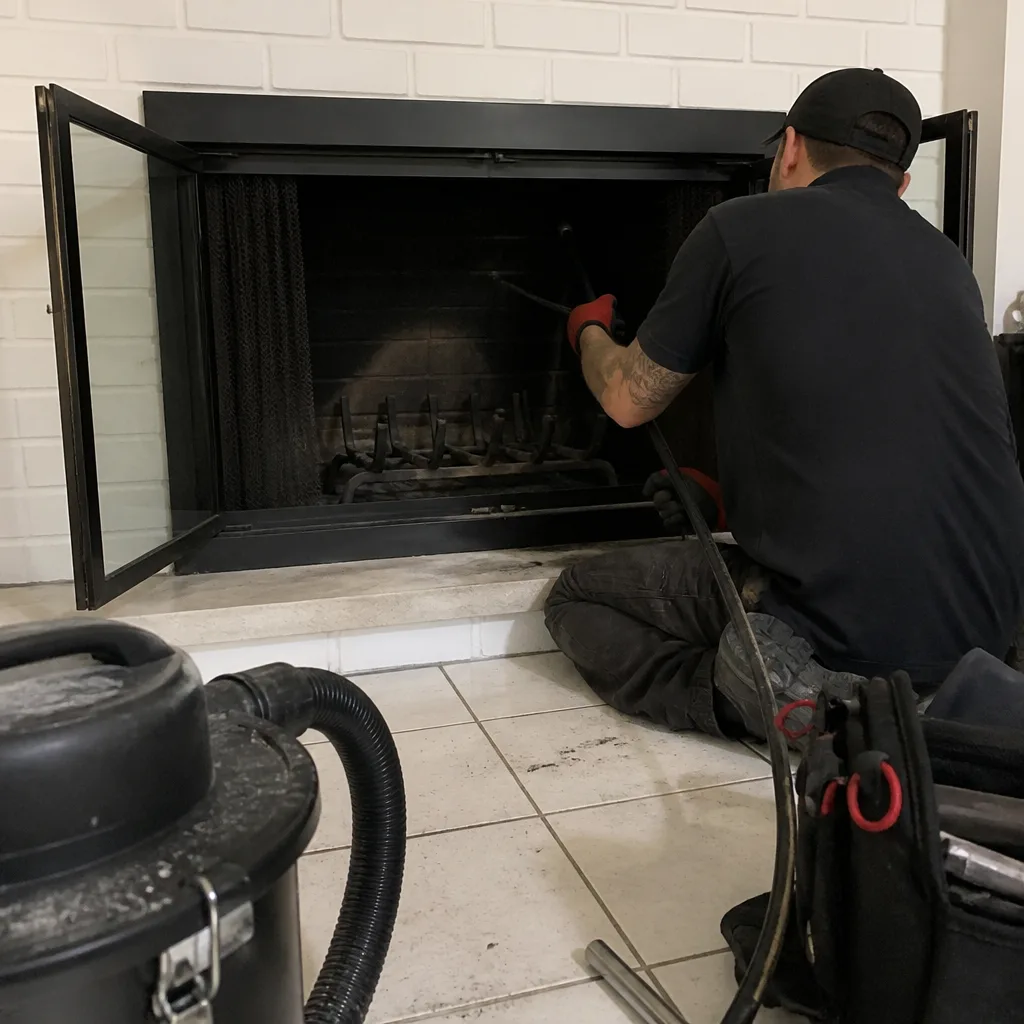 After
After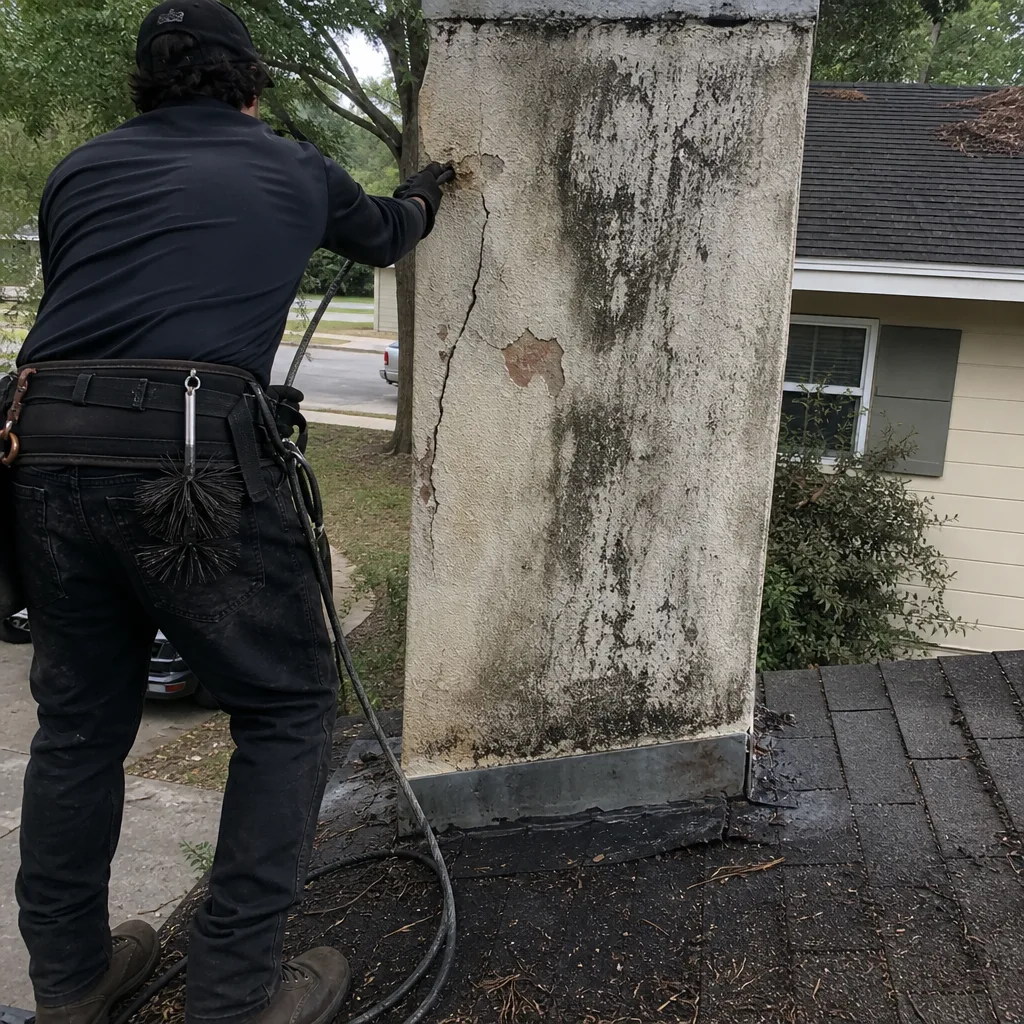 Before
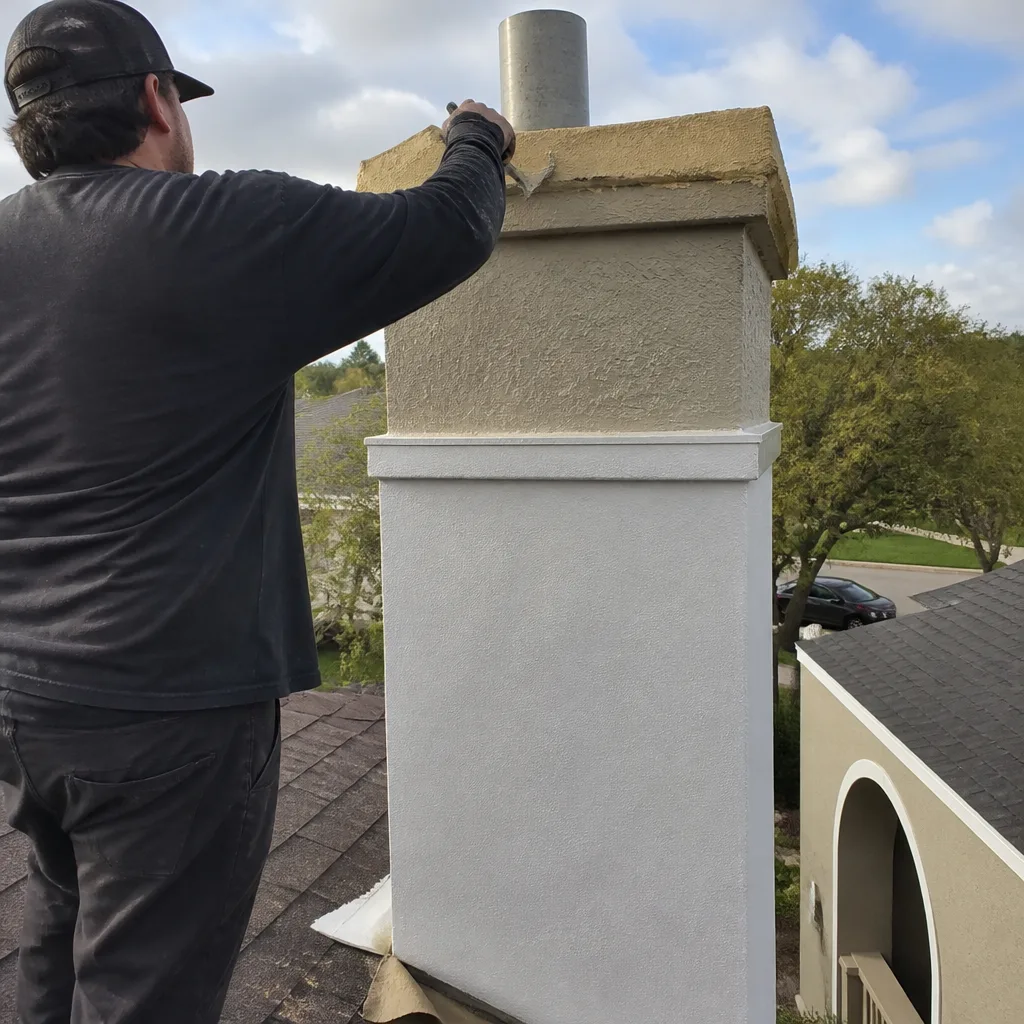 After
After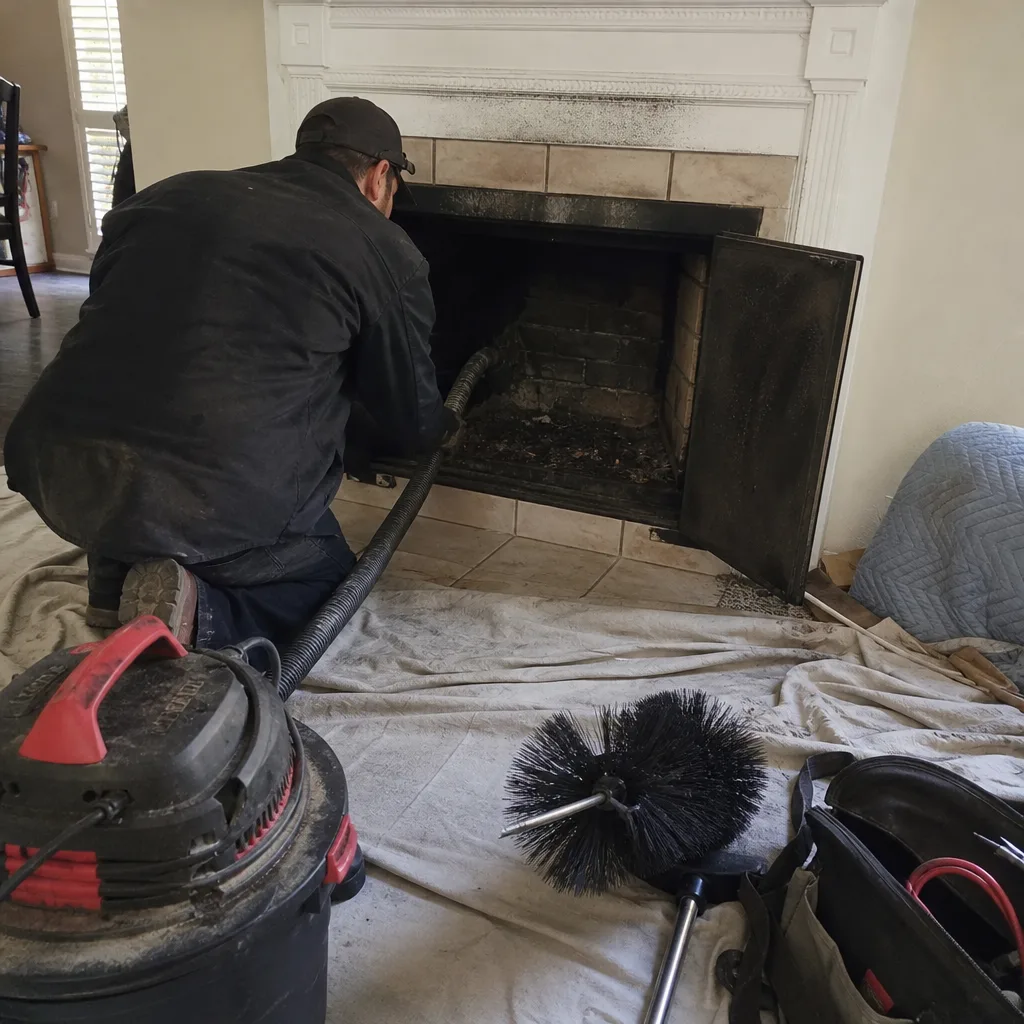 Before
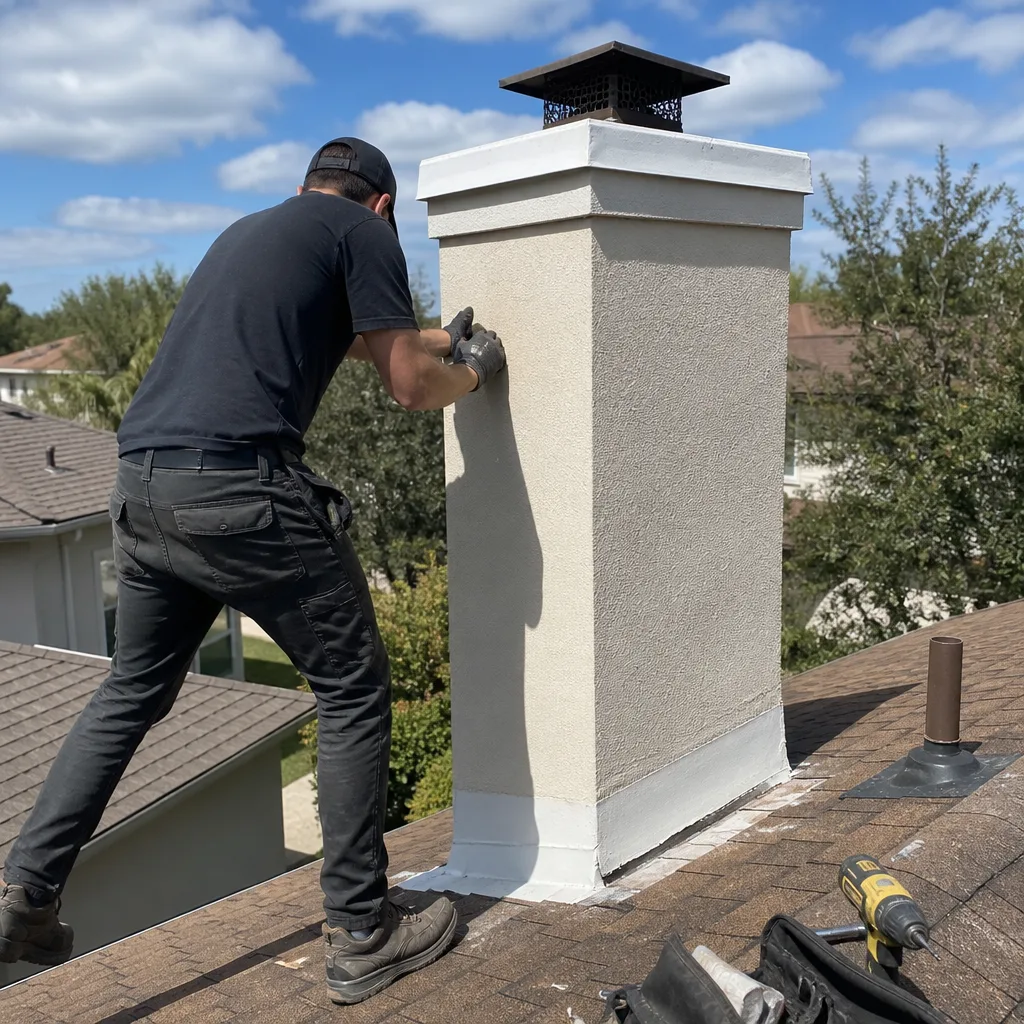 After
AfterReplacement Cost & What’s Included
In Tampa, a full HeatShield flue liner replacement (meaning complete removal of failed cerfractory material, surface prep, and reapplication of the appropriate HeatShield grade) falls between $2,800 and $5,600. A straightforward Joint Repair on a shorter flue can run $1,400 to $2,400. A full CeCure structural resurfacing on a two-story home with a long flue pushing that upper end. What drives the range is straightforward: flue height, the extent of surface prep required, and whether we’re working from the roof or can access the flue safely from inside the firebox. We give you a written price before any work starts, and that price includes the camera inspection so you know exactly what we’re fixing.
Every HeatShield application we do includes the material itself, the full surface prep, the application labor, a post-installation camera report showing the finished flue, and our 365-Day Done Right Promise behind the work. If the application doesn’t hold up the way it should within that year, we make it right. No fine print, no runaround. Danny has done this long enough to know that a HeatShield job done without proper prep is a callback waiting to happen, and we don’t book work we expect to redo.
DIY or Call Us?
You can safely look up your chimney with a flashlight from the firebox and check for visible flaking or cracking at the top from the ground. You can also keep an eye on the firebox floor between fires for ceramic debris. That’s where DIY should end. Applying HeatShield is not a weekend project: it requires a rotary cleaning head to achieve the proper surface profile, a trowel-applied first pass for joint work, foam injection equipment for full resurfacing, and a curing schedule that has to be done right or the bond fails within a season. This is not like painting a wall. The material has to key into the flue surface properly, and doing that on a ladder in Tampa humidity, without the training, is how you end up with flue debris raining into the firebox for the next five years. Call (850) 290-0897 and we’ll send a technician who does this specific work.
FAQs
A properly applied HeatShield system typically lasts 15 to 20 years, and in Tampa’s humid climate the real variable is how much water enters the chimney from the top. Homes with a properly fitted chimney cap and sound crown work routinely see the longer end of that range. Homes where rain blows directly into the flue because there is no cap or the crown is spalling will see the liner degrade faster, full stop. Call (850) 290-0897 and ask us to check your crown and cap while we’re quoting the liner; it’s part of the same inspection and it tells us how long your repair will actually hold.
Yes, often. If the failure is isolated to a few cracked joints and the surrounding cerfractory material is still well bonded, a targeted HeatShield Joint Repair can address the problem without a full resurfacing. We only recommend that when the camera shows the surrounding flue surface is sound. If the coating is peeling in sheets, a repair will not hold and you’d be paying twice for the same flue. That’s why the camera inspection comes first, every time.
Most full HeatShield resurfacing jobs take one day on site. That includes the rotary cleaning, surface prep, the application itself, and a curing period before we consider the flue ready for use. Joint repairs are usually half a day. We’ll tell you when you can have your first fire again based on the product’s cure schedule for that day’s temperature and humidity, and we’ll leave a written reminder. For an exact timeline on your chimney, call (850) 290-0897.
We keep HeatShield cerfractory sealant, foam application components, and joint repair materials stocked on our trucks, along with professional-grade components from DuraFlex and Gelco when a stainless liner is the better answer for your flue. If your chimney needs something we don’t carry on the truck that day, we order it and have it in hand before we schedule the install. We never start a liner job with equipment we cannot finish.
Written by Danny Cortes, Owner, Kindling Chimney Tampa at Kindling Chimney Tampa, serving Tampa and nearby areas.