
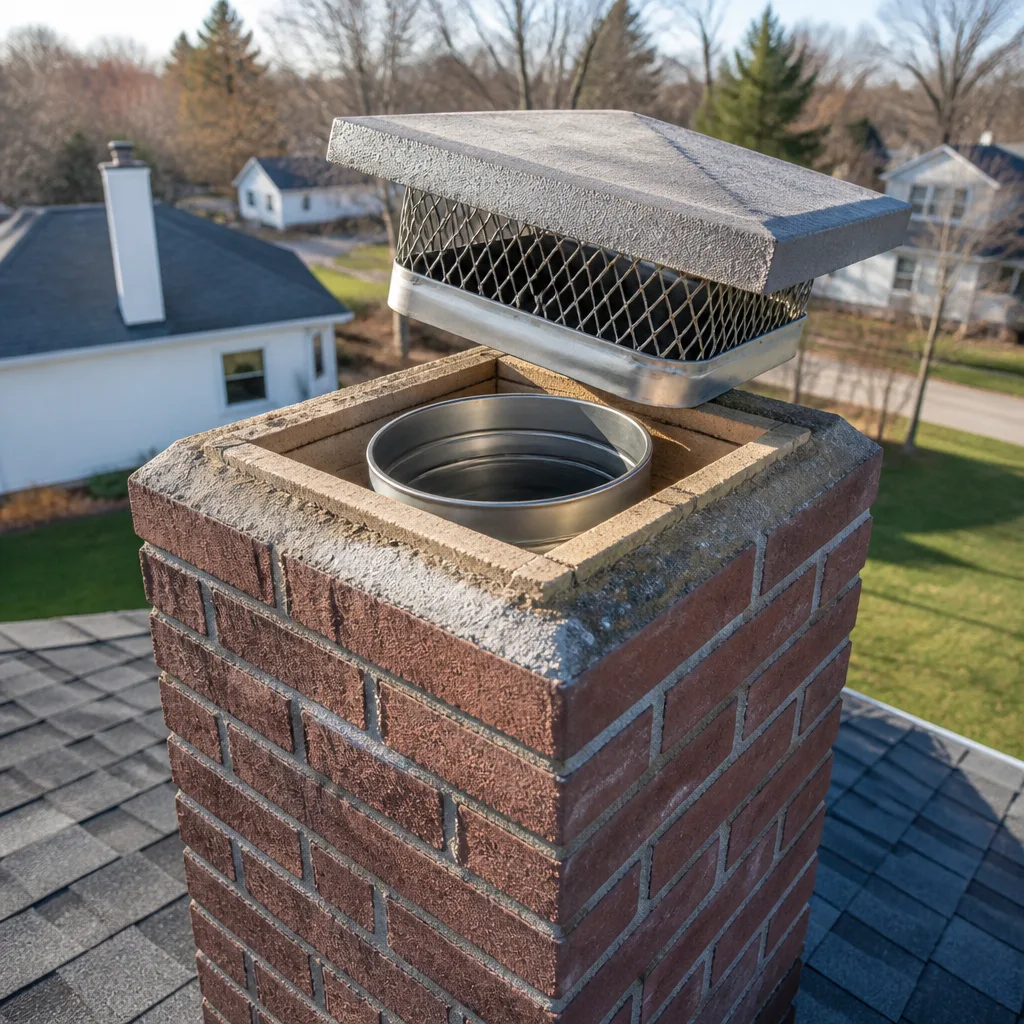
 Flue relining
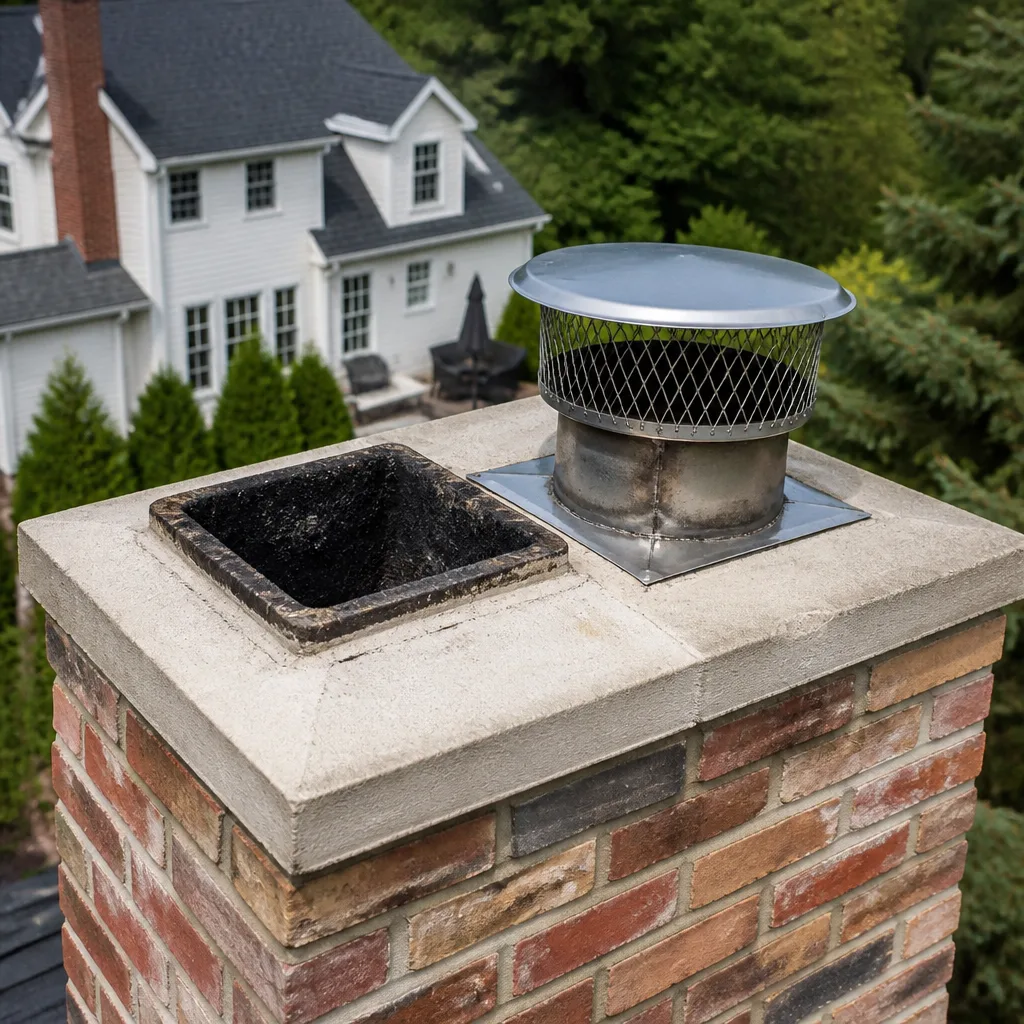 Sweep & inspection
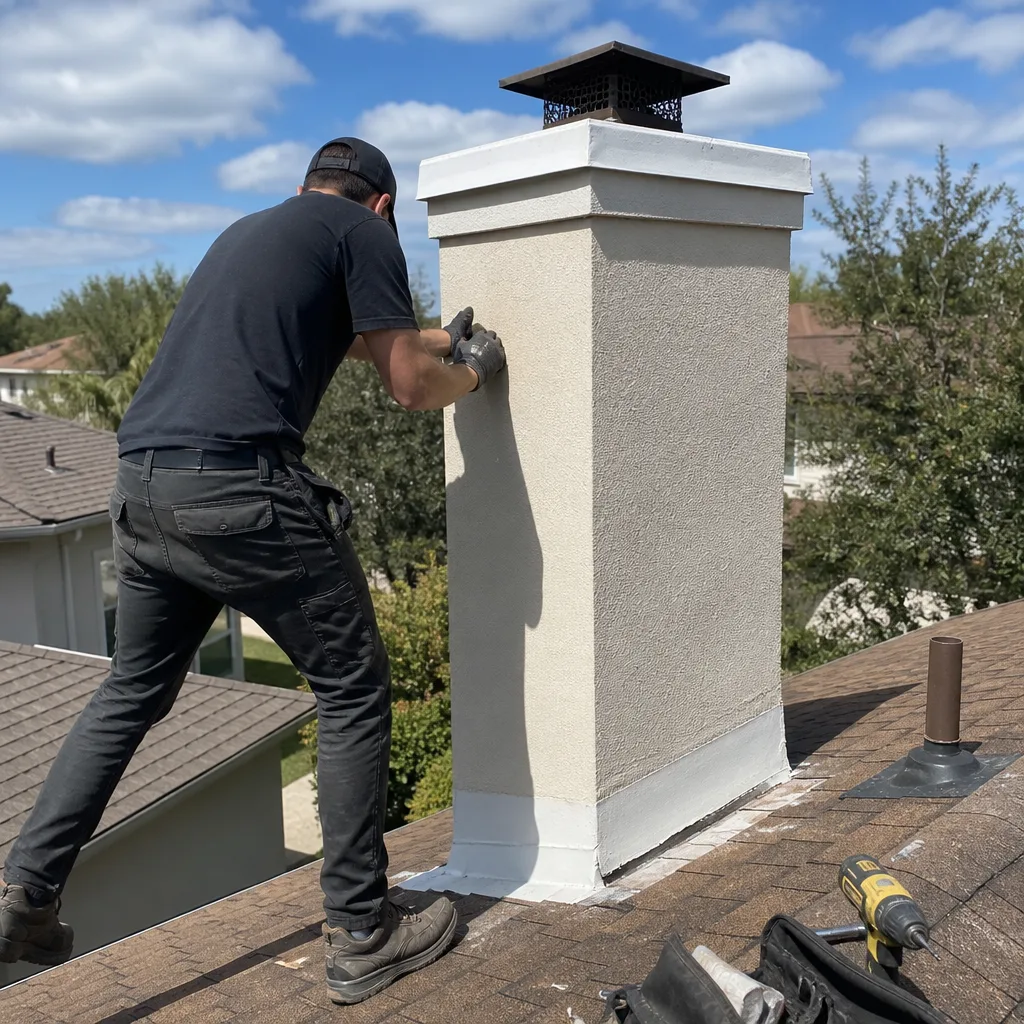
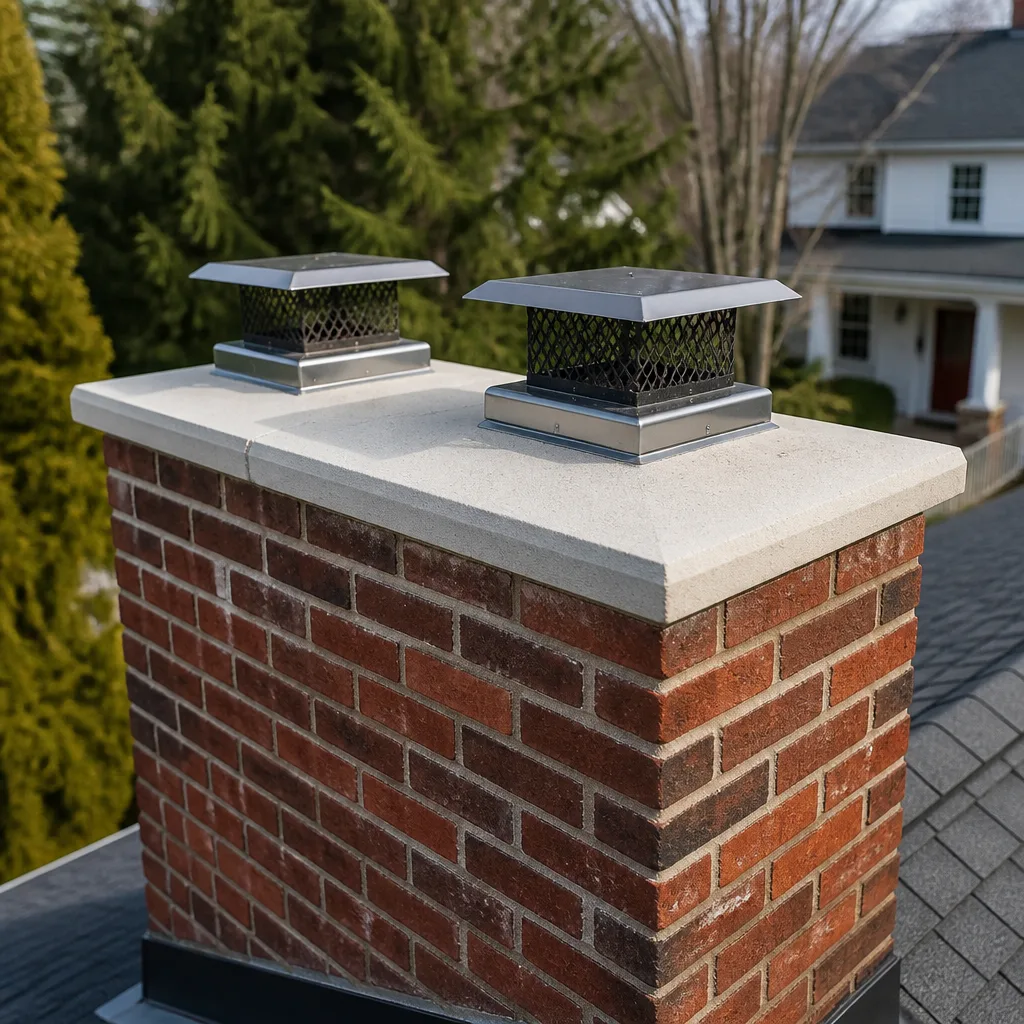 Caps & crowns
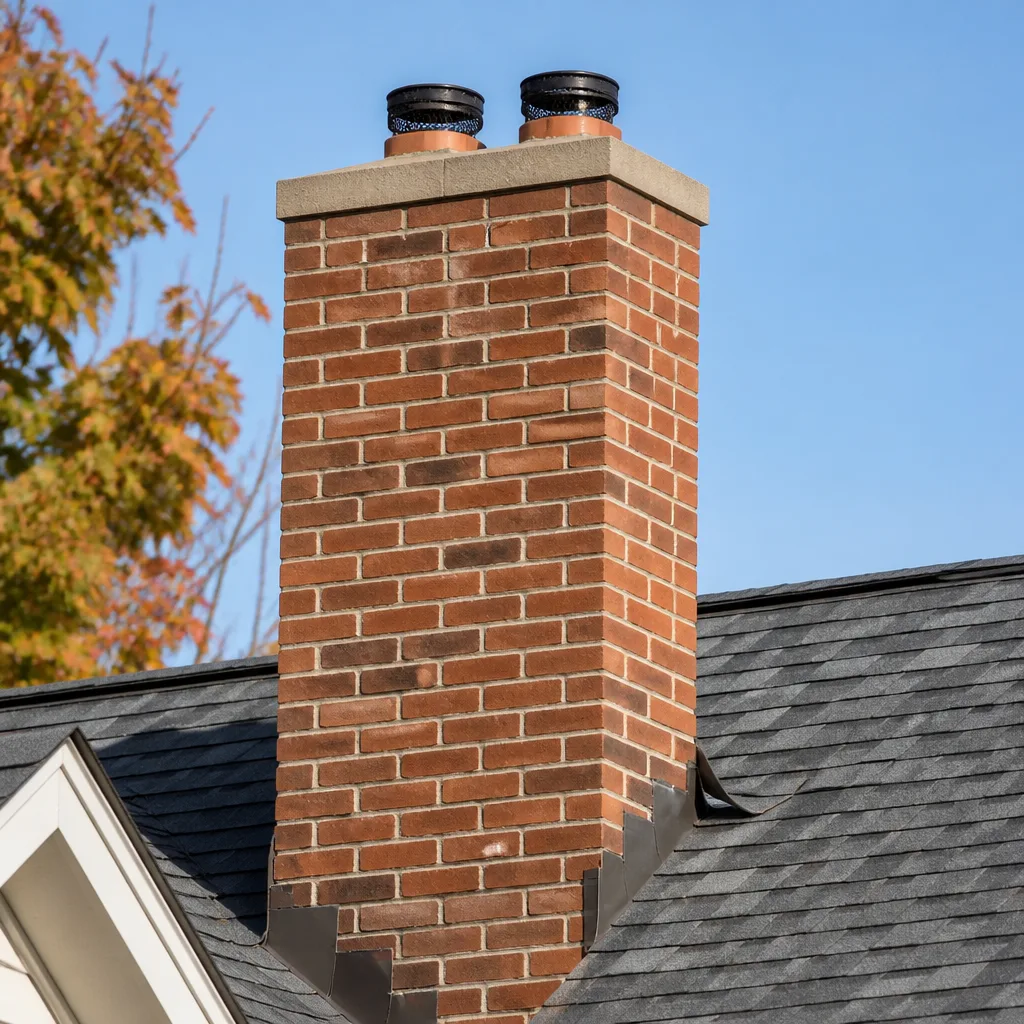 Masonry repair
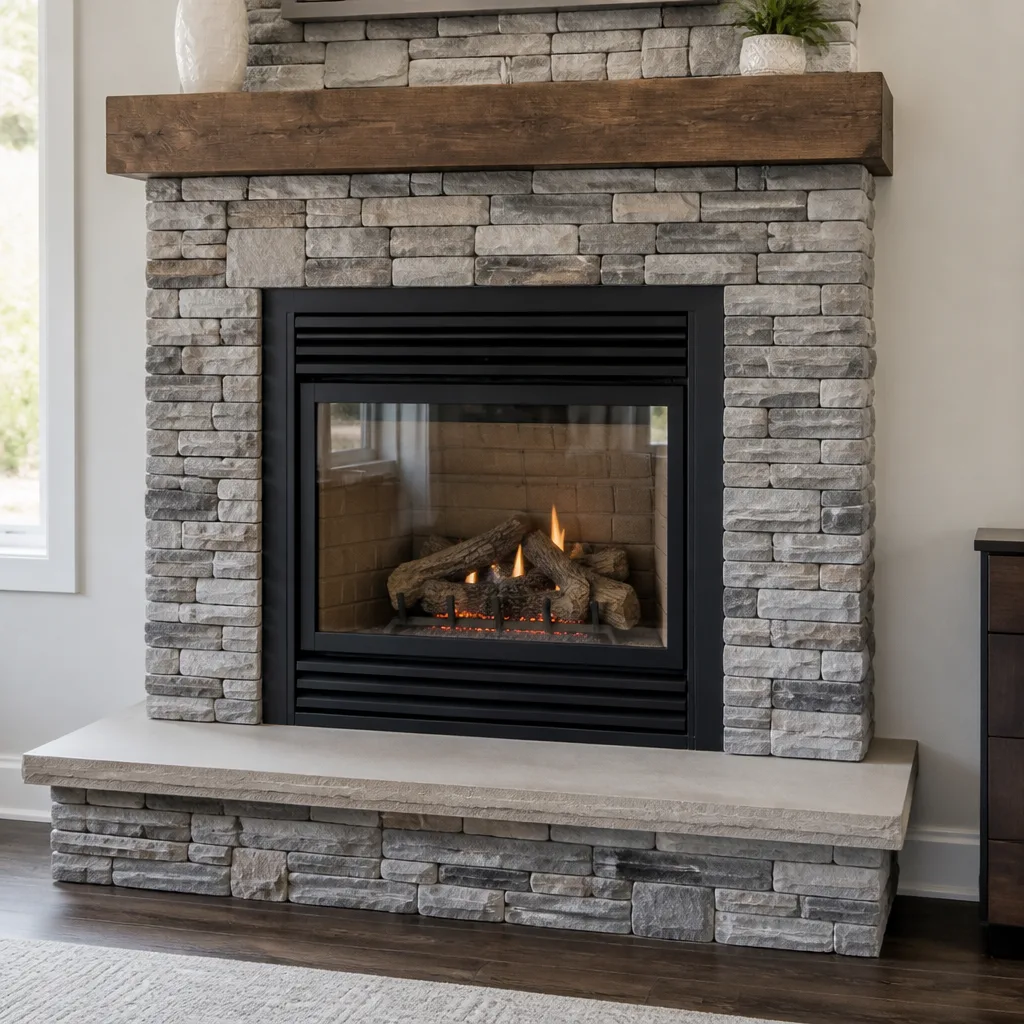 Gas fireplace service
Level 1 sweep and inspection to the NFPA 211 annual standard - flue, crown, cap, and flashing checked and photographed
Chimney sweep logs do not sweep chimneys. They loosen some creosote - which then falls where a brush and vacuum still have to collect it.
Famco Flue Liner Replacement: The Tampa Owner’s Guide
Famco flue liner replacement in Tampa typically runs between $1,800 and $3,400 installed, depending on the liner diameter, length of the run, and whether we’re working through an existing chase or opening a wall. We stock Famco-compatible rigid and flexible liner sections on our trucks, and most replacements are completed in a single visit once we’ve confirmed the measurements. The way most Tampa homeowners discover a failed Famco liner is not dramatic, by the way. It’s usually a rust stain on the ceiling below the chimney chase, a faint metallic smell near the firebox, or an inspection note from us saying the liner has thinned past the point where patching makes sense.
If you’re reading this, you probably already know the part has failed or is on its way out. That’s the right time to call. Below we cover exactly what to check, what a replacement actually costs here in Tampa, and what we do differently with the Famco product line specifically.
Which Famco Models This Applies To
Famco has made flue liners and venting components for decades, and over that time the product line has shifted through several series names and part number formats. The liners we replace most often in Tampa homes fall into three groups: older rigid galvanized or stainless sections sold under the Famco “Rigid Liner” series, flexible aluminum liners common on gas fireplaces and furnaces from the 1990s through the early 2010s, and the newer 316L stainless flex liners rated for both gas and oil. The compatibility gotcha to watch for: Famco flexible liners are sold by inside diameter in half-inch increments, and the stamped size on the liner is the inside diameter, not the outside. A “6-inch Famco liner” means a 6-inch inside diameter, which requires a chase or clay tile opening larger than 6 inches to install. We regularly see homeowners buy a 6-inch liner online expecting it to slip into a 6-inch clay tile, and it will not. That half-inch difference turns into a costly return or a wall opening that no one planned for.
On the OEM-versus-aftermarket question, here’s the honest answer. Famco no longer manufactures the original rigid liner series that many Tampa homes still have, so a true “OEM” replacement often does not exist. What we install instead is a current-production stainless liner, usually from Famco’s current flex line or a DuraFlex or HeatShield equivalent, that matches the original diameter and exceeds the original material spec. For gas appliances, the aftermarket options are frequently better than what the home was built with, because the older Famco aluminum flex was never rated for the exhaust temperatures modern high-efficiency gas units can produce. We will always tell you whether a true Famco match is available or whether a current-production equivalent is the right call, and we’ll show you the spec sheet before we order anything.
Styles & brands we work with
Signs Your Famco Flue Liner Replacement Is Failing
- Rust staining on the ceiling or wall below the chase. This is the most common first sign here in Tampa, where our humidity accelerates corrosion on galvanized and older stainless liners. The stain means condensation or flue gas is escaping the liner and migrating through the chase. By the time the stain shows, the liner wall has usually opened up somewhere along the run.
- A metallic or “wet ash” smell near the firebox. Flue gases carry a distinct metallic odor when exhaust is condensing inside a deteriorating liner. This smell is often stronger in the summer when the AC runs and pulls air down the flue. If you smell it, the liner is wet or breached somewhere above the appliance, not just dirty.
- Visible flaking, scaling, or pinholes on the liner interior. During an inspection, we look for delamination, thinning at the seam welds, and the beginnings of pinholes. Famco’s older spot-welded seams are the first point of failure, especially on liners that have seen twenty or more Tampa summers of condensation cycling.
- Debris at the base of the chimney or in the appliance. Small metal flakes or rust-colored granules in the cleanout or under the burner point to liner material shedding from above. This is not normal wear. It means the liner is actively degrading and dropping material down to where it can interfere with the appliance.
- Higher utility bills without a change in usage. A breached liner lets conditioned air escape the home through the flue. Tampa homeowners sometimes notice the AC working harder when a liner has opened up, particularly in two-story homes where the chase runs through conditioned space.
None of these symptoms mean you need to panic. But they all mean the liner should be inspected with a camera before the next burn season, and in most cases the fix is replacement, not patching.
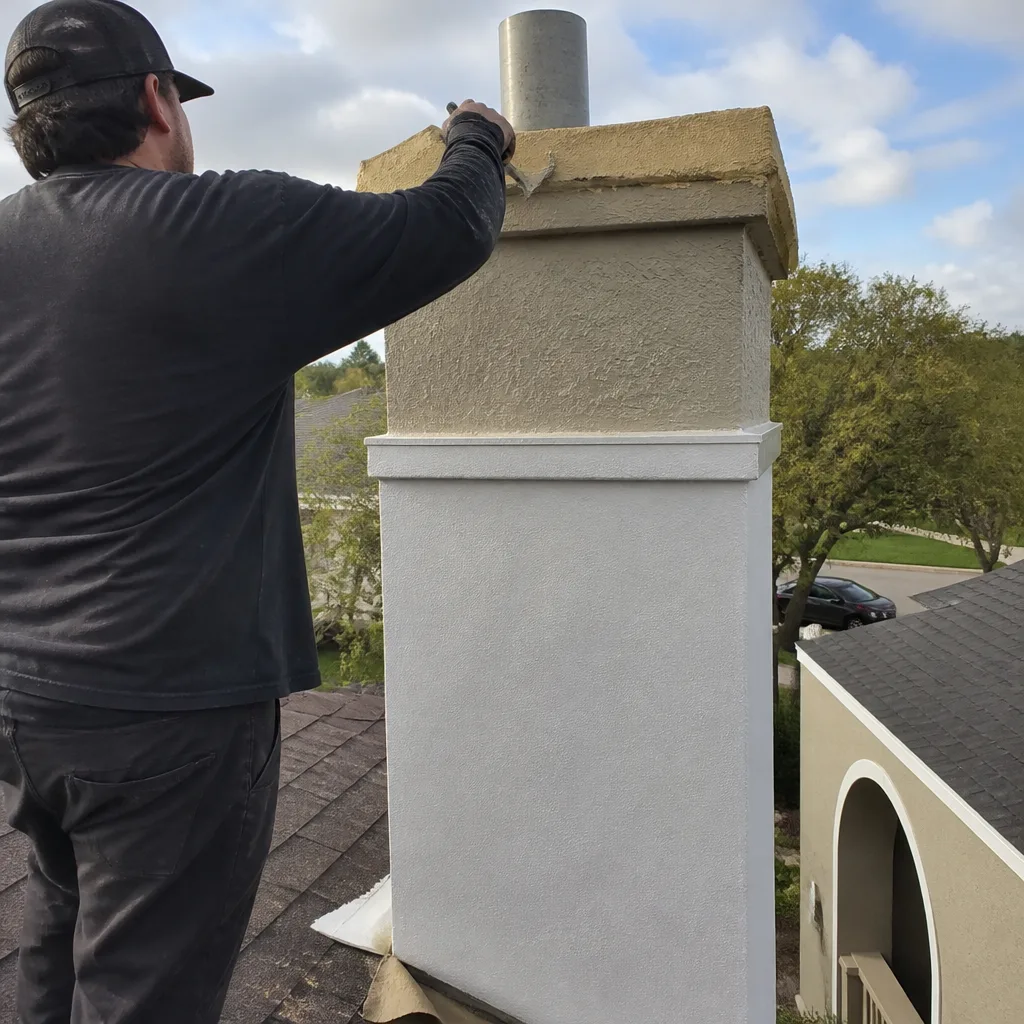
See the difference
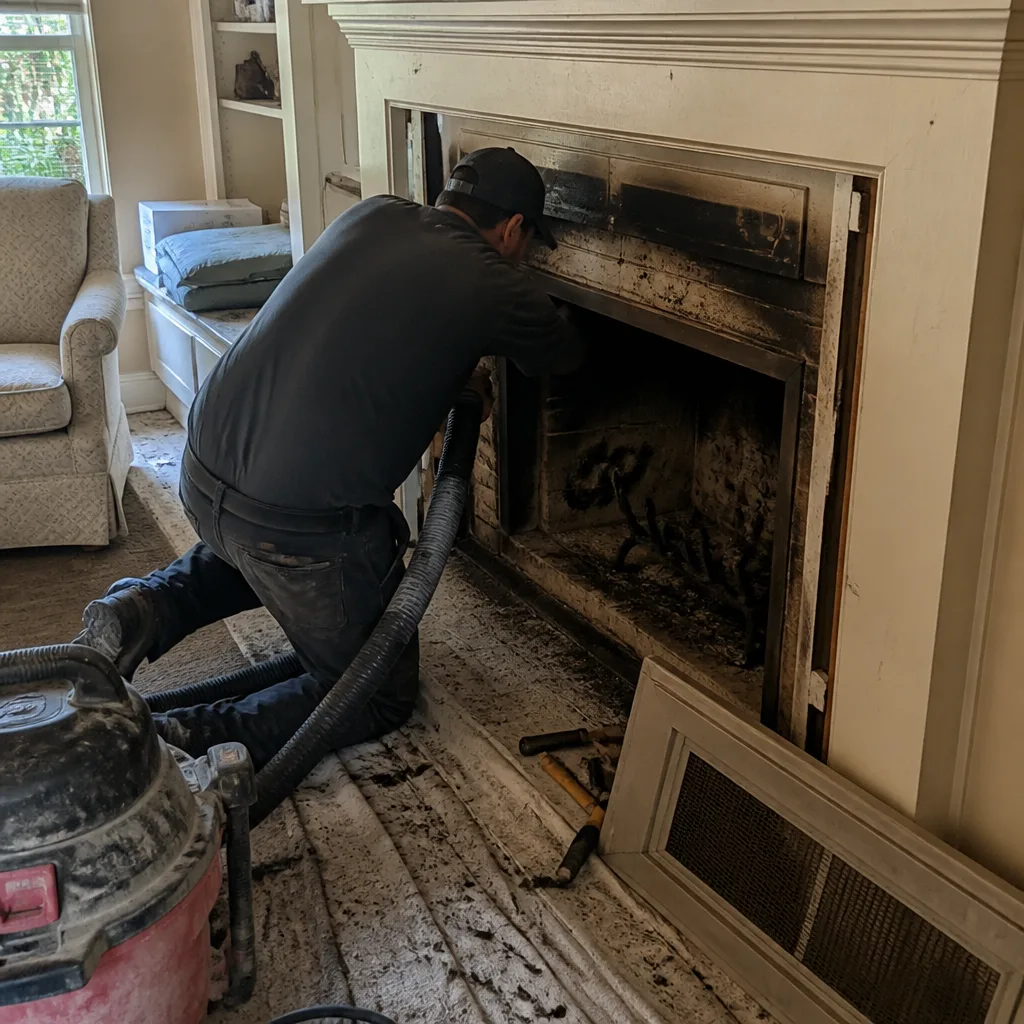 Before
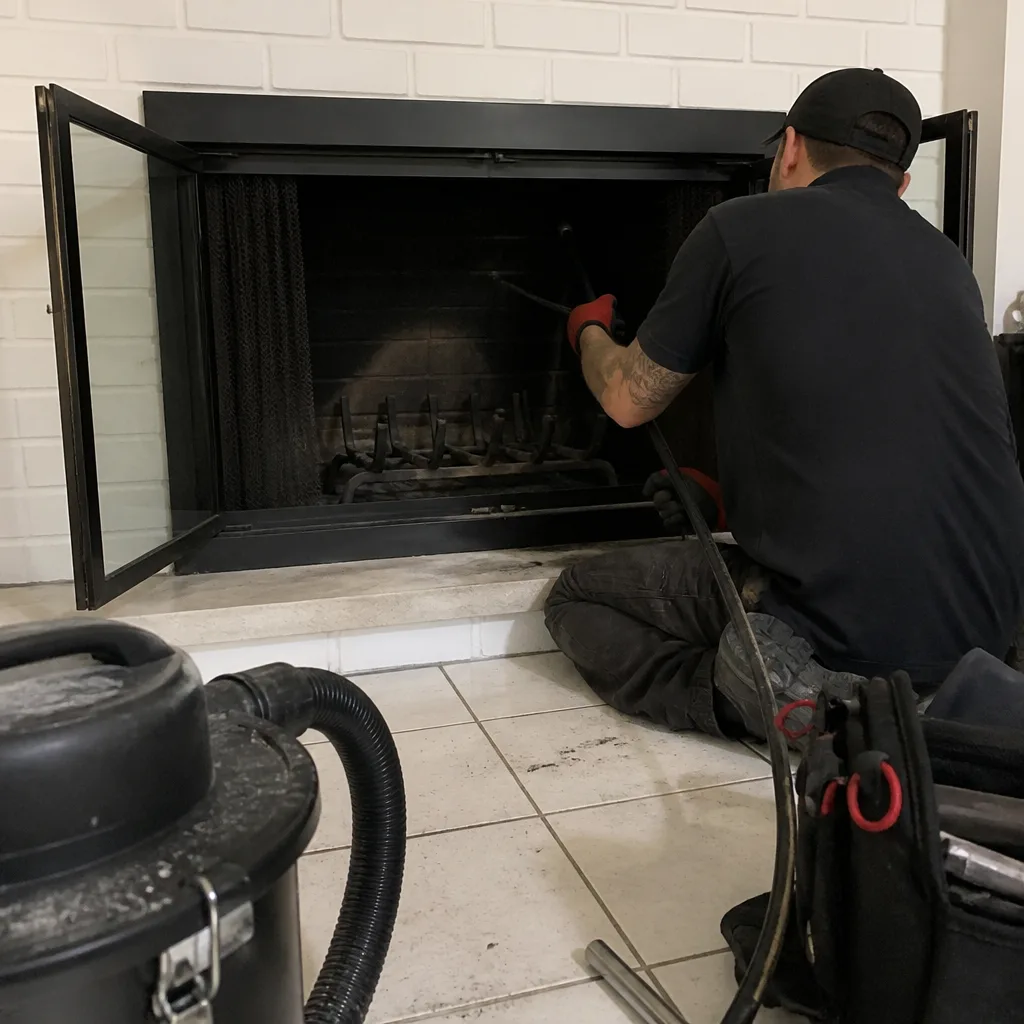 After
After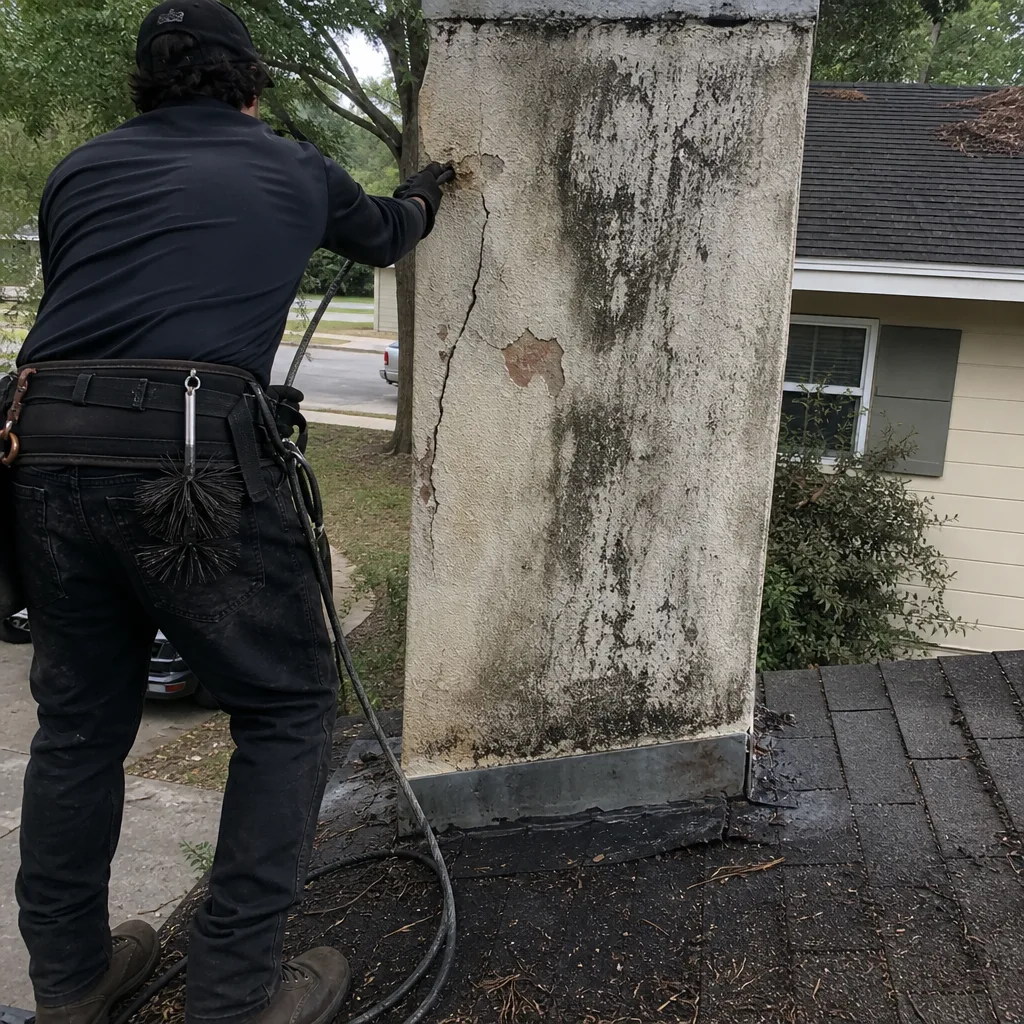 Before
 After
After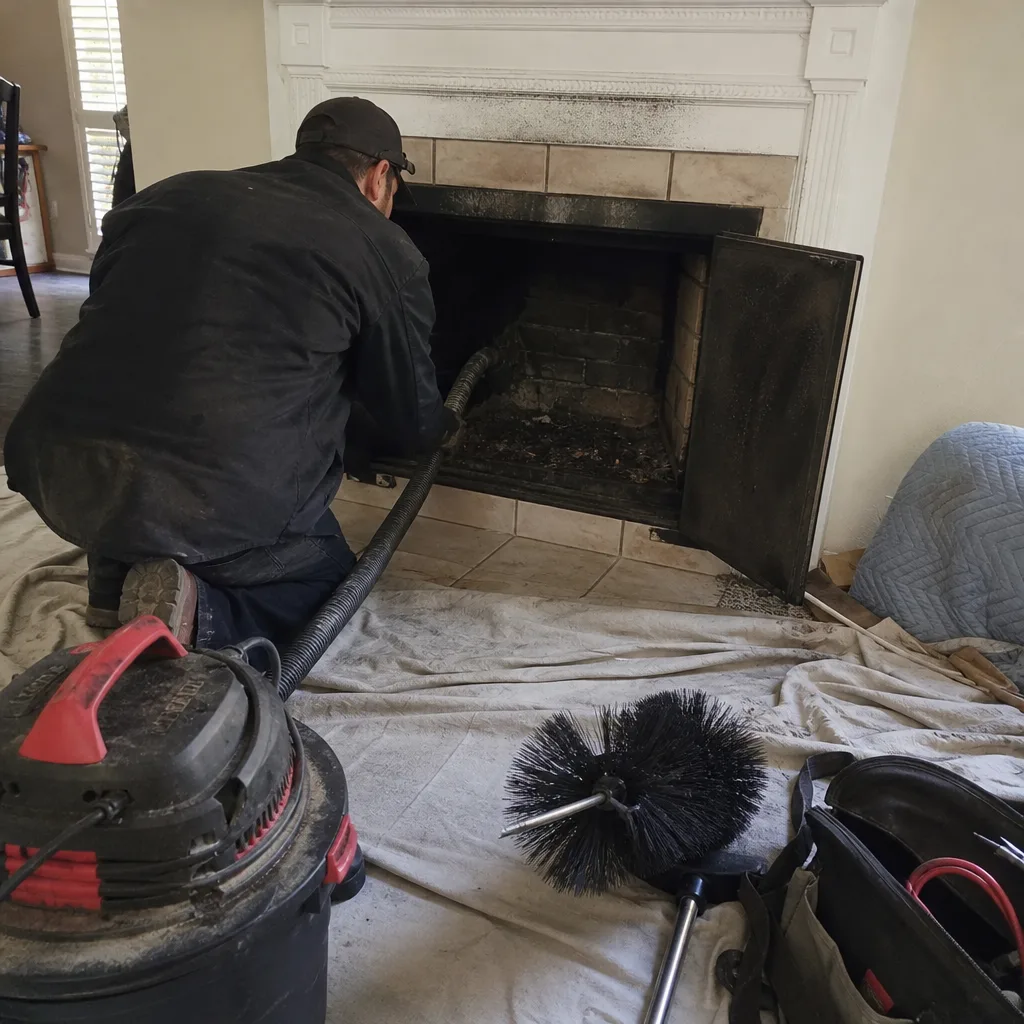 Before
 After
AfterReplacement Cost & What’s Included
Let’s talk numbers, because you should know what this costs before we ever set foot in your home. For most Tampa homes, a Famco flue liner replacement runs:
- Flexible stainless liner replacement (gas fireplace or furnace): $1,800 to $2,600 installed, including liner, connectors, termination cap, and labor.
- Rigid liner replacement through an existing chase: $2,400 to $3,400 installed, depending on chase access and whether the old liner has expanded and seized in place.
- Liner replacement with wall opening and chase repair: $2,800 to $3,800 installed, when the chase has to be opened to remove a corroded liner that will not slide out.
What drives the price is mostly chase access and whether the old Famco liner has swelled or rusted to the point where it binds inside the chase. Tampa’s humidity and salt air near the bay corridors makes liners swell faster than in drier climates, and that binding is what pushes a straightforward pull-and-drop replacement into a longer job. Every quote includes the parts, the labor, the termination cap, sealing at the appliance connection, and a camera inspection of the full run before and after the install. You get a written price before any work starts, and the whole job carries our 365-Day Done Right Promise: if it’s not right, we make it right.
DIY or Call Us?
Replacing a flue liner is not a safety-neutral job, and I want to be direct about that. A flue liner is part of the exhaust system for an appliance that produces carbon monoxide. A liner that is sized wrong, kinked, or poorly sealed can send CO into the home rather than up the flue. This is not a part where a YouTube tutorial and a Saturday afternoon are a good combination. The danger is real, and the tools to verify the install are specialized. What you can safely do yourself is identify the liner size by reading the printed markings on the liner above the appliance, measure the run length roughly to give us a head start on the quote, and take photos of any rust or staining you have found. That information helps us quote the job accurately over the phone. The actual removal, replacement, and verification should be done by a trained chimney professional.
If you’re not sure whether your liner has failed or just looks weathered, call us at (850) 290-0897 and we’ll send someone over to camera the flue and tell you honestly what you’re looking at. No pressure, no upsell. Just a straight read on what the liner needs.
FAQs
In Tampa’s climate, an older Famco aluminum flex liner typically lasts 15 to 20 years before corrosion or seam failure, while a 316L stainless liner routinely lasts 25 to 30 years or more. The two factors that shorten liner life in Tampa are humidity-driven condensation and salt air in neighborhoods closer to the bay. A camera inspection will show exactly where your liner sits on that timeline. Call (850) 290-0897 and we’ll take a look.
Small pinholes in an otherwise sound stainless liner can sometimes be addressed with a targeted sealant or a short resleeve section, but seam failures, widespread thinning, and aluminum liner degradation are replacement situations. Repairs on aluminum flex from the 1990s are almost always a short-term bandage, not a fix. We’ll show you the camera footage and recommend repair only when the liner has enough remaining life to justify it.
A standard flexible liner swap in a typical Tampa home takes one crew about four to six hours, including removal, install, sealing, and the post-install camera verification. A rigid liner replacement through a tight chase or one that requires a wall opening can run a full day or occasionally into a second morning. We’ll tell you the expected time window in your written quote.
We carry current-production Famco-compatible flex liners, connectors, and termination caps on our trucks, along with equivalent parts from DuraFlex, HeatShield, and Gelco. For older Famco rigid liner series that are no longer manufactured, we source current-production equivalents that match the original diameter and exceed the original material spec. We’ll confirm part availability when you call (850) 290-0897, and the written quote will name the exact liner and parts before we order anything.
Know what’s in your chimney before you light the first fire of the season, that’s the whole job, right there. If your Famco liner is showing its age, the honest move is to call (850) 290-0897 and get a camera in the flue. Danny Cortes and the crew at Kindling Chimney Tampa serve Tampa homeowners from Seminole Heights to Ybor City and everywhere the bay breeze reaches. We’ll show you exactly what’s going on, price the fix in writing, and leave your home the way we found it, floors covered, shoes covered, and kids and pets treated like the residents they are.
Written by Danny Cortes, Owner, Kindling Chimney Tampa at Kindling Chimney Tampa, serving Tampa and nearby areas.